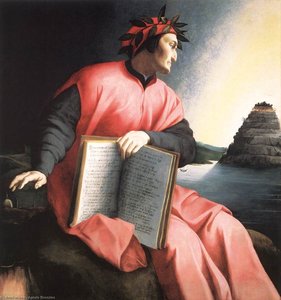
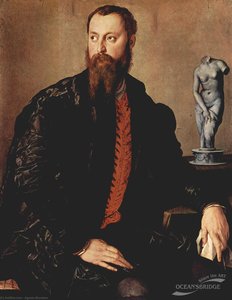
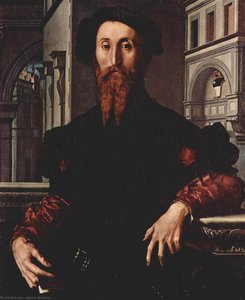
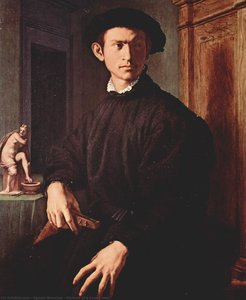
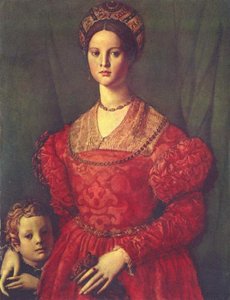
Agnolo Bronzino: Florentine Master of Reserved Elegance
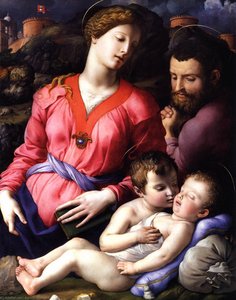
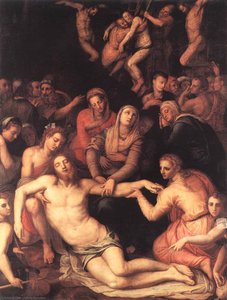
Agnolo di Cosimo, known to history as Bronzino, emerged from the vibrant artistic landscape of Renaissance Florence in 1503, a period already brimming with genius. Born the son of a butcher—a humble origin for an artist destined to become one of the most celebrated portraitists of his era and a defining figure of Mannerism—his path diverged sharply from familial trade, guided instead by an innate talent that would see him achieve unparalleled renown. His early artistic training commenced with Raffaellino del Garbo, but it was under the tutelage of Jacopo da Pontormo that Bronzino’s artistic sensibilities truly blossomed. Recognizing Pontormo's groundbreaking experimentation with perspective and color—a bold departure from prevailing stylistic conventions—Bronzino absorbed these innovations while simultaneously forging his own distinctive voice—one characterized by a profound stillness, meticulous detail, and an understated elegance markedly different from Pontormo’s often emotionally turbulent compositions. This formative period was further enriched by studies conducted alongside Andrea del Sarto, exposing him to the legacies of Michelangelo and Leonardo da Vinci—giants whose artistic vision profoundly shaped Bronzino's understanding of art history and technique. The young Bronzino swiftly demonstrated an exceptional aptitude for capturing not merely physical likeness but a subtle psychological depth—a feat rarely accomplished by his contemporaries—even in his earliest commissions.Early Influences and Artistic Development
The influence of Michelangelo’s monumental sculptures and Leonardo da Vinci's scientific observation profoundly impacted Bronzino’s artistic sensibilities. Like Michelangelo, he embraced anatomical precision and sculptural form, striving to convey a sense of grandeur and permanence within his portraits. Similarly, Da Vinci’s meticulous attention to detail—particularly in his sfumato technique—inspired Bronzino to achieve an unparalleled level of surface refinement. These foundational influences instilled in him a conviction that art should transcend mere representation; it must embody intellectual contemplation and elevate the viewer's perception of beauty. His initial artistic explorations focused on mastering traditional techniques—drawing, etching, and fresco painting—before gravitating towards portraiture as his primary medium. This dedication to craft—combined with an innate understanding of human psychology—established him as a uniquely gifted artist capable of capturing not just outward appearance but inner character.The Medici Patronage and Florentine Court Style
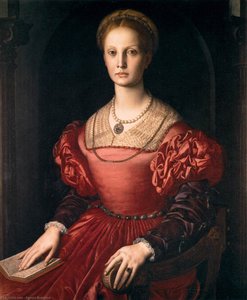
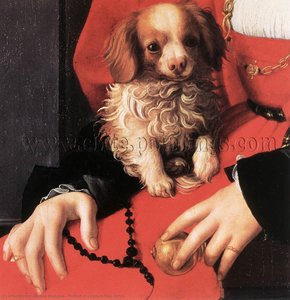
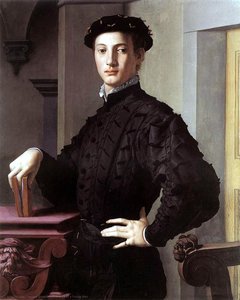
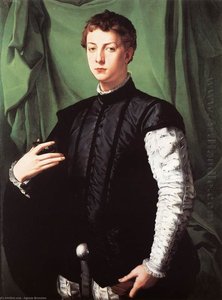
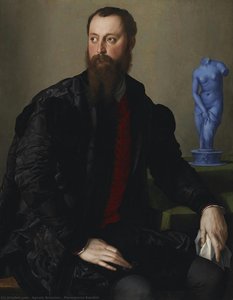
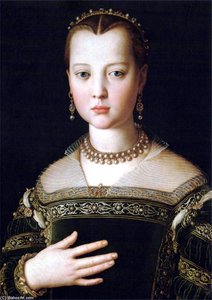
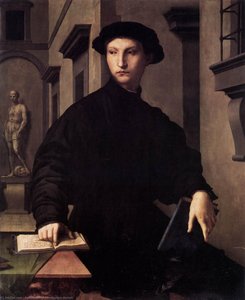
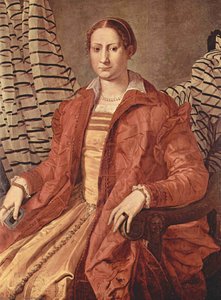
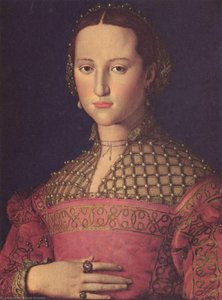
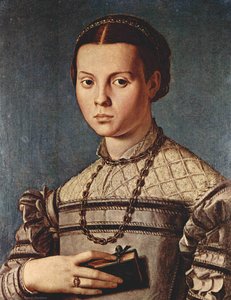
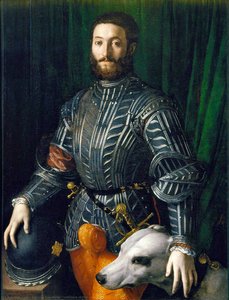
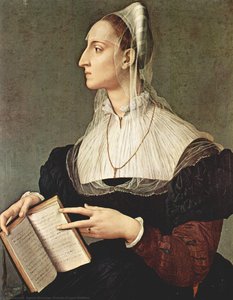
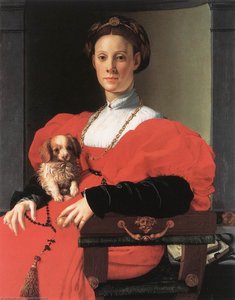
Bronzino’s artistic career ascended dramatically with the patronage of Cosimo I de’ Medici, Duke of Tuscany—a relationship that solidified his position as the official court painter for much of his life. Recognizing Cosimo's astute political acumen and unwavering commitment to cultural advancement, Bronzino embraced this opportunity to hone his skills and establish himself as Florence’s foremost artistic voice. The commissions emanating from the Medici Court demanded an uncompromising adherence to stylistic conventions—a preference for cool composure, idealized beauty, and subtle psychological nuance. Cosimo I and Eleonora di Toledo became frequent subjects of Bronzino's portraits—images that convey an aura of aristocratic detachment and refined dignity. These works weren’t merely about replicating physical resemblance; they were carefully constructed statements of power, status, and dynastic ambition—a testament to Bronzino’s ability to transform visual art into a tool for shaping public perception. His meticulous attention to detail—the textures of fabrics, the gleam of jewels, the subtle expressions conveyed by his subjects—exemplified Florentine court style at its zenith.The Art of Mannerism: Stylized Elegance and Intellectual Depth
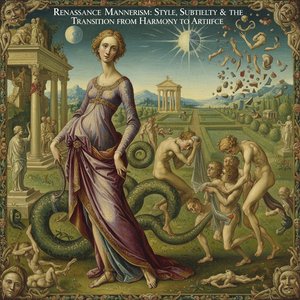
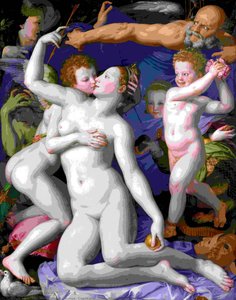
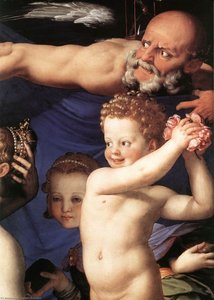
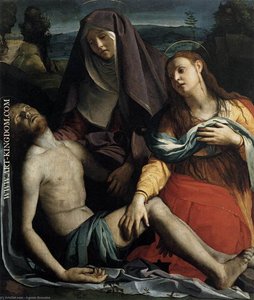
Bronzino’s artistic style is undeniably Mannerist—a movement that emerged in Italy during the mid-16th century as a deliberate reaction against the harmonious idealism of the High Renaissance. Rejecting the prevailing emphasis on naturalistic representation, Mannerists sought to explore psychological complexity and stylistic innovation—often prioritizing formal elegance over emotional immediacy. Bronzino embraced elongated figures, stylized poses, and an understated emotionality—techniques that distinguished him from his contemporaries and cemented his reputation as a pioneer of artistic experimentation. His approach mirrored Michelangelo’s sculptural ambition—a desire to convey grandeur and permanence through meticulously crafted forms—while simultaneously incorporating Leonardo da Vinci's sfumato technique—creating subtle gradations of light and shadow to heighten visual impact. Venus, Cupid, Folly and Time (c. 1544-45)—perhaps his most iconic masterpiece—perfectly encapsulates this Mannerist aesthetic. The painting’s intricate composition—characterized by asymmetrical balance and subtly distorted perspective—challenges conventional notions of beauty while simultaneously conveying a profound meditation on human experience. Bronzino's mastery extended beyond mere technical proficiency; he possessed an intellectual curiosity that fueled his artistic endeavors—a conviction that art should engage the mind as well as the senses.Legacy and Enduring Influence
Bronzino’s contribution to Florentine art history transcends his prolific output as a painter. He was a founding member of the Accademia delle Arti del Disegno in 1563—an institution dedicated to fostering artistic excellence and promoting scholarly inquiry—solidifying his role as a champion of humanist ideals and artistic innovation. His influence reverberated throughout Europe, shaping court portraiture for generations to come—establishing Florentine Mannerist style as a benchmark of aristocratic representation. Though subsequent artistic movements favored more emotive or naturalistic approaches, Bronzino’s unwavering commitment to stylistic control and intellectual depth ensured his enduring place in art history—a testament to the transformative power of artistic vision. His legacy continues to inspire artists today who strive for elegance, precision, and psychological insight—demonstrating that true artistry lies not merely in replicating reality but elevating it through deliberate stylistic choices.- Born: Florence, Italy, 1503
- Died: Florence, Italy, 1572
- Key Movement: Mannerism
- Notable Works: *Venus, Cupid, Folly and Time*, Portraits of Cosimo I de’ Medici and Eleonora di Toledo
- Institution: Accademia delle Arti del Disegno
Запитання та відповіді
Звідки родом Бронзіно?
Бронзіно народився у Італія.
До якого історичного періоду належить творчість Бронзіно?
Бронзіно працював у період — Відродження. Цей період визначає місце творчості митця в історії.