Antoni Gaudí i Cornet – A Life Forged in Stone and Faith
Antoni Gaudí i Cornet, born on June 25, 1852, in the Catalan town of Reus, Spain, was not merely an architect; he was a visionary who sculpted dreams into reality. His life story is as captivating and unconventional as the buildings that bear his indelible mark – structures that continue to inspire awe and wonder centuries later. Growing up amidst the rolling hills and rugged landscapes of Catalonia profoundly shaped Gaudí’s artistic sensibility. Even as a child, he displayed an extraordinary aptitude for observation, meticulously studying the forms and textures of nature—a fascination that would become the bedrock of his singular architectural language. Family life was marked by both comfort and constraint; his father, a coppersmith, instilled in him a deep respect for craftsmanship, while his mother’s unwavering Catholicism fostered a profound spiritual connection that permeated his later artistic endeavors. These formative experiences laid the foundation for a career dedicated to harmonizing art, nature, and faith—a pursuit that would define his entire life. His formal education commenced at the Piarist school in Reus, followed by studies at the University of Barcelona before ultimately enrolling in the Provincial School of Architecture, where he graduated in 1878. Remarkably, Gaudí’s talent was recognized early on by his professors, who acknowledged his skill but often struggled to reconcile it with prevailing architectural conventions. He supplemented his academic pursuits by working as a draughtsman for architect Josep Fontserè i Mestres, contributing to projects like Ciutadella Park in Barcelona—an initial glimpse into the urban panoramas he would soon transform. This early exposure to diverse artistic styles undoubtedly broadened his horizons and honed his observational skills – qualities that would prove invaluable throughout his illustrious career.The Blossoming of a Unique Vision
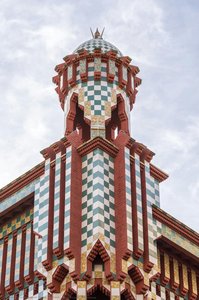
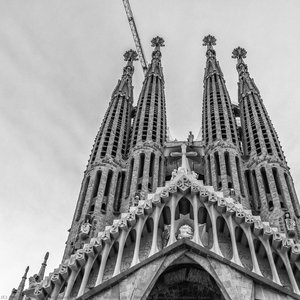
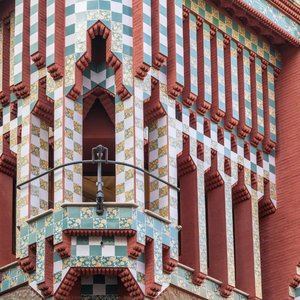
Gaudí’s inaugural commissions showcased a developing style characterized by skillful blending of historical influences—Neo-Gothic Revival and Orientalism—yet it was his innate ability to transcend imitation and forge something entirely new that distinguished him from his contemporaries. The Casa Vicens (1883–1888) stands as an early testament to this burgeoning originality, its Moorish and Gothic Revival elements interwoven with a vibrant palette and intricate detailing. Notably, Gaudí utilized recycled ceramic shards—a technique he termed *trencadís*—to create dazzling mosaics that defied conventional decorative practices. This innovative approach reflected his profound connection to nature and his belief in harnessing natural materials to achieve aesthetic grandeur. Simultaneously, Gaudí undertook the ambitious undertaking of constructing Sagrada Família basilica (begun in 1883), a project that would consume him until his death—a monumental edifice conceived as a “stone bible,” embodying Christian symbolism at every level. He radically reimagined Neo-Gothic architecture, rejecting rigid symmetry and embracing organic forms inspired by parabolic arches and catenary curves—structural breakthroughs that revolutionized the field. His architectural philosophy revolved around an unwavering reverence for nature. Gaudí meticulously studied seashells, trees, and animal skeletons, seeking to emulate their structural principles in his designs. This biomimicry wasn’t merely aesthetic; it underpinned his innovative structural techniques—particularly the equilibrated structure he pioneered, which relied on tilted columns and lightweight tile vaults to distribute weight efficiently without external bracing. Beyond nature, Gaudí's deep Catholic faith profoundly influenced his artistic vision, shaping the symbolism and spiritual resonance of Sagrada Família and many other works. He believed that architecture could elevate the human spirit and express divine truths—a conviction that fueled his relentless pursuit of perfection and drove him to create buildings that transcended mere functionality.Major Achievements: A Legacy Etched in Stone
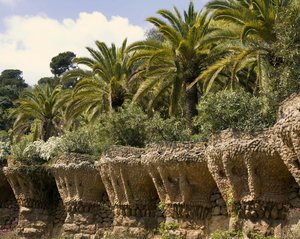
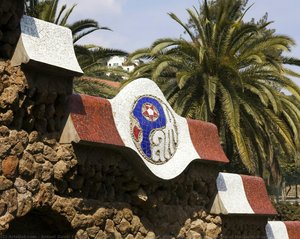
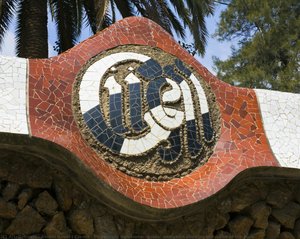
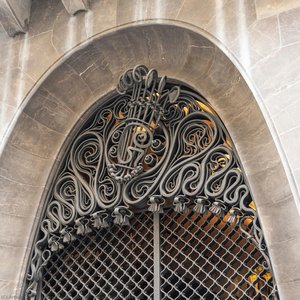
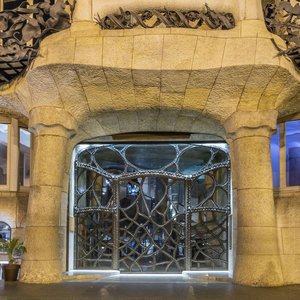
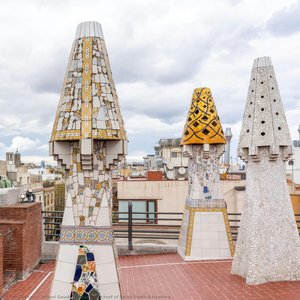
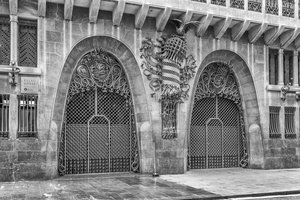
Gaudí’s architectural output spanned a remarkable range of projects, each reflecting his distinctive style and pushing the boundaries of conventional design. Casa Batlló (1904–1906), with its undulating façade inspired by bones and marine motifs, exemplifies Gaudí's mastery of organic forms and innovative structural solutions—a testament to his ability to transform architectural inspiration into breathtaking reality. Similarly, Casa Milà – La Pedrera – completed between 1905 and 1910, challenged the prevailing aesthetic norms with its sculptural qualities and unconventional spatial arrangements. The building’s honeycomb structure and rooftop terraces were conceived as a response to Gaudí's fascination with geological formations—a reflection of his belief in harmonizing architecture with the rhythms of nature. Parc Güell (begun in 1900), featuring whimsical mosaics, undulating benches, and sculptural pavilions, represents Gaudí’s crowning achievement—a utopian vision of urban life that blends art, architecture, and landscape seamlessly. Furthermore, Palau Güell (1886–1888) showcased his pioneering use of parabolic arches and innovative material combinations—demonstrating his commitment to exploring structural possibilities and elevating architectural craftsmanship. His contribution to Catalan culture extended beyond architectural masterpieces; Gaudí championed the revival of traditional crafts and techniques, fostering collaborations with skilled artisans who shared his vision for creating buildings that honored both beauty and functionality. His unwavering dedication to artistic excellence cemented his place as one of Spain’s most celebrated architects—a figure whose legacy continues to inspire awe and admiration worldwide. Tragically, Antoni Gaudí perished on June 10, 1926, in Barcelona—struck by a tram while engrossed in overseeing the final stages of Sagrada Família construction—leaving behind an unfinished cathedral that embodies his enduring spirit and artistic genius. Despite his untimely demise, Gaudí’s visionary ideas continue to resonate through architectural history—a testament to the transformative power of creativity and unwavering devotion to one's craft.- UNESCO World Heritage Site: Sagrada Família, Park Güell, Casa Batlló, Casa Milà
- Influence on Modern Architecture: Gaudí’s structural innovations revolutionized building techniques and inspired generations of architects.
- Symbolic Artistry: His buildings are imbued with religious symbolism and evoke profound spiritual contemplation.
Запитання та відповіді
У якому місті та країні народився/народилася Антоній Гауді?
Антоній Гауді народився/народилася у Гренобль, Франція.
Звідки родом Антоній Гауді?
Антоній Гауді народився у Франція.