Cristóbal Balenciaga Eizaguirre: The Architect of Elegance
Cristóbal Balenciaga Eizaguirre, a name synonymous with unparalleled artistry and revolutionary design, stands as one of the most influential figures in 20th-century fashion. Born in 1895 in Getaria, a picturesque fishing village nestled on the rugged coast of Spain’s Basque Country, his journey from humble beginnings to global acclaim is a testament to innate talent, relentless dedication, and an unwavering pursuit of perfection. Balenciaga's legacy extends far beyond mere clothing; he fundamentally reshaped the silhouette of women’s fashion, establishing a new standard for elegance, structure, and sculptural form that continues to inspire designers today. His life was deeply intertwined with his birthplace – Getaria, a place that instilled in him an appreciation for natural beauty and a profound connection to the sea, elements which subtly informed his distinctive aesthetic.Early Life and Artistic Foundations
Cristóbal’s early years were shaped by the realities of rural Spain. Following the death of his father, a fisherman, he and his siblings relied on their mother's skills as a seamstress for support. This intimate exposure to the craft of tailoring from a young age proved pivotal, nurturing within him an instinctive understanding of fabric, construction, and the transformative power of design. At the tender age of twelve, he apprenticed with a tailor in San Sebastián, a vibrant coastal city known for its artistic heritage. This early training provided a solid foundation, introducing him to the technical intricacies of garment making – skills that would later become hallmarks of his meticulous approach. A significant turning point occurred when the Marchioness de Casa Torres, a prominent figure in Getaria’s society, recognized Balenciaga's exceptional talent and became his patron, sending him to Madrid for formal training at prestigious fashion houses. This patronage opened doors to further education in Paris, the undisputed heart of the global fashion industry, where he honed his skills and began to develop his unique vision.The Parisian Years: Innovation and Influence
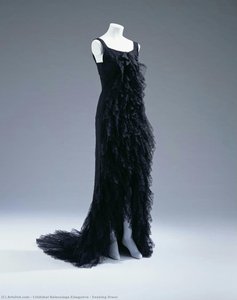
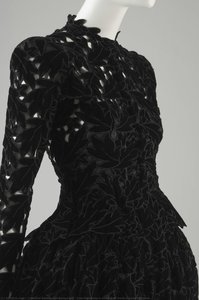
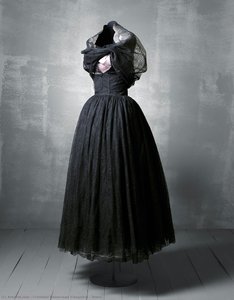
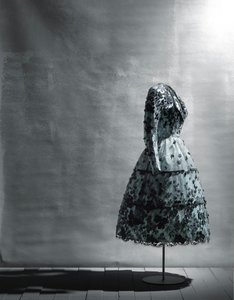
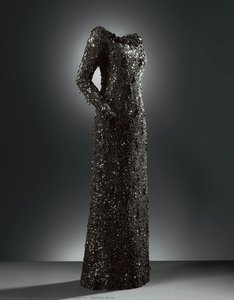
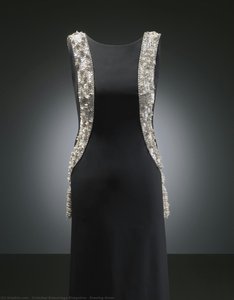
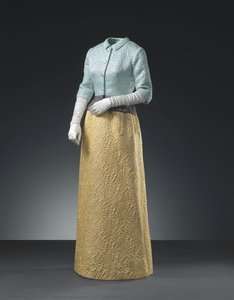
Paris marked a crucial stage in Balenciaga’s career. He quickly established himself as a rising star within the competitive world of haute couture, attracting the attention of influential figures like Coco Chanel and Christian Dior – designers who recognized and celebrated his groundbreaking approach to design. Balenciaga's designs were characterized by their bold silhouettes, innovative use of volume, and masterful manipulation of fabric. He rejected the prevailing trends of the era, opting instead to create garments that were both structurally sound and visually arresting. His early collections showcased a remarkable ability to translate artistic concepts – particularly those inspired by Spanish history and culture – into wearable art. The “Infanta” dresses, drawing inspiration from Velázquez’s portraits of Spanish royalty, exemplified this fusion of historical reference and contemporary design. He also embraced the dramatic forms of flamenco costumes, incorporating their bold colors and intricate details into his evening wear.A Revolutionary Approach to Silhouette
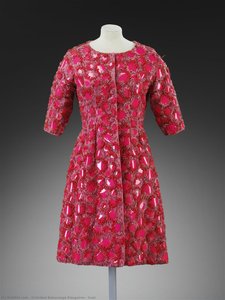
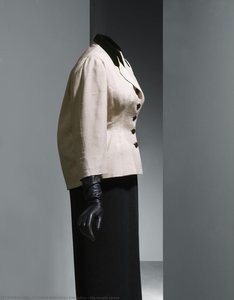
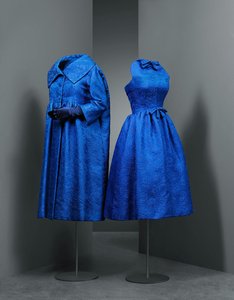
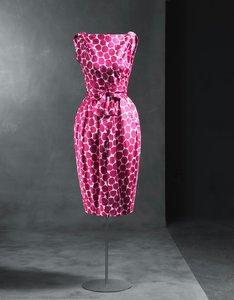
Balenciaga's most enduring contribution to fashion was undoubtedly his radical reimagining of the female silhouette. He moved away from the restrictive corsets and hourglass shapes that dominated the mid-20th century, instead favoring fluid lines, dramatic volumes, and a sense of architectural precision. His signature “barrel line” – a wide, sculpted bodice – created an illusion of height and elegance, while his innovative use of draping and pleating allowed for unparalleled movement and grace. He was particularly celebrated for his ability to create garments that appeared deceptively simple yet were the result of painstaking craftsmanship and meticulous attention to detail. The introduction of the “sack dress” in 1957 – a straight-up, unstructured garment that eliminated the waistline – was a revolutionary act, challenging conventional notions of femininity and paving the way for more relaxed and modern styles. His influence extended beyond individual garments; he fundamentally altered the way clothing interacted with the body, creating a new vocabulary of form and movement.Legacy and Lasting Impact
Cristóbal Balenciaga’s career spanned several decades, culminating in his final collection in 1968. Despite facing increasing competition from ready-to-wear fashion, he remained steadfast in his commitment to haute couture, refusing to compromise on the quality or artistry of his creations. His untimely death in 1972 marked the end of an era, but his legacy continues to resonate within the fashion industry today. His designs are studied by students at prestigious art and design schools worldwide, and his influence can be seen in the work of countless contemporary designers. The Cristóbal Balenciaga Museum, located in his birthplace of Getaria, serves as a testament to his enduring impact, preserving and celebrating his remarkable achievements. He remains an icon – “The Master” – whose innovative spirit and unwavering dedication to craftsmanship continue to inspire generations of fashion enthusiasts.Запитання та відповіді
Під якими ще іменами відомий Крістобаль Баленсіага?
Крістобаль Баленсіага також відомий/відома під іменами Баленсіага, Крістобаль Баленсіаґґіє.
У якому місті та країні народився/народилася Крістобаль Баленсіага?
Крістобаль Баленсіага народився/народилася у Гетарія, Іспанія.
Звідки родом Крістобаль Баленсіага?
Крістобаль Баленсіага народився у Іспанія.