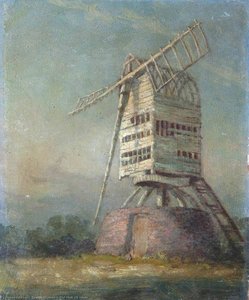
George Skelton: A Tudor Visionary Capturing Quiet Dignity
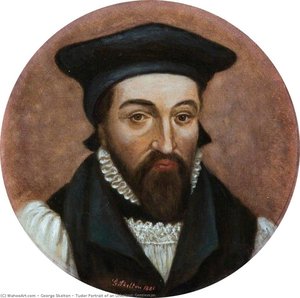
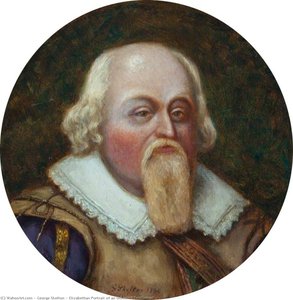
George Skelton (dates unknown) remains a figure shrouded in relative obscurity, yet his portraits—particularly those depicting unnamed gentlemen—hold a unique fascination for art historians and collectors alike. Primarily active during the Elizabethan era, Skelton’s meticulous realism distinguishes him from many of his contemporaries, offering glimpses into a world of refined taste and subtle psychological observation rarely found elsewhere. While biographical details are scarce, surviving documentation suggests he was born in England sometime around 1560, though precise birth records remain elusive. Skelton's artistic journey began amidst the burgeoning Renaissance fervor that swept across Europe, absorbing influences from artists like Hans Holbein the Younger and Quentin Metsys—masters of portraiture who championed naturalism and humanist ideals. These formative connections are evident in Skelton’s technique: he employed oil paints on canvas with painstaking detail, meticulously layering glazes to achieve astonishing tonal accuracy and capturing minute nuances of expression. Unlike some artists of his time who prioritized grandeur and theatrical pose, Skelton favored a restrained approach, focusing instead on conveying inner character through subtle gestures and facial features—a deliberate departure from the opulent commissions typical of royal courts. His most celebrated works are undoubtedly the portraits of “unknown gentlemen,” which exemplify his distinctive style. These canvases depict men dressed in elegant attire—often richly embroidered robes—but their faces remain deliberately ambiguous. Rather than presenting idealized representations of nobility, Skelton sought to portray individuals with quiet dignity and understated intelligence. The sitter’s gaze is direct yet contemplative, hinting at inner thoughts and emotions that transcend mere appearance. Critics have noted the remarkable sensitivity with which Skelton captures the psychological complexities of his subjects—a testament to his profound understanding of human nature and a hallmark of Tudor portraiture's humanist tradition. He skillfully utilized chiaroscuro – dramatic contrasts between light and dark – to sculpt form and imbue his figures with an aura of solemn repose. The enduring appeal of Skelton’s portraits lies not only in their technical brilliance but also in their symbolic resonance. The anonymity of the sitters speaks volumes about the Tudor preoccupation with privacy and social decorum, reflecting a broader cultural shift away from ostentation towards introspection. Furthermore, Skelton's unwavering commitment to realism—a reaction against Mannerist art’s stylized distortions—underscored the humanist conviction that observation and accurate representation were crucial for grasping the essence of human experience. Further research into Skelton’s life and artistic practice continues, fueled by the enduring allure of his portraits. The George Daniell Museum in Miami Beach houses a notable collection of his works, offering visitors an opportunity to appreciate firsthand the remarkable skill and vision of this largely forgotten Tudor artist. And St George's Chapel, Windsor Castle, proudly displays one of Skelton’s masterpieces—"Elizabethan Portrait of an Unknown Gentleman"—a poignant reminder of his contribution to British art history.Запитання та відповіді
Звідки родом Джордж Скельтон?
Джордж Скельтон народився у Англія.