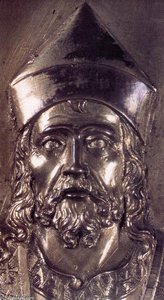
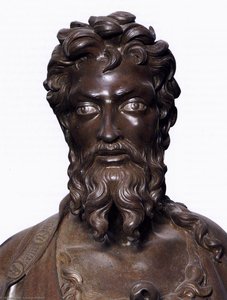
A Florentine Renaissance Forged in Bronze: The Life and Legacy of Lorenzo Ghiberti
Lorenzo di Bartolo – a name that would forever be intertwined with artistic innovation – was born near Florence, Italy, in 1378. His early life, steeped in the practical artistry of goldsmithing under his stepfather, Bartolo di Michele, laid the foundation for a career that would reshape the landscape of Renaissance sculpture. This foundational training instilled within him an unparalleled mastery of metalwork, a skill he would later elevate to breathtaking heights, transforming bronze into windows onto biblical narratives and human emotion. Little did he know, this humble beginning was merely the prelude to a legacy that would resonate through centuries of art history.The Baptistery Doors: A Triumph of Skill and Vision
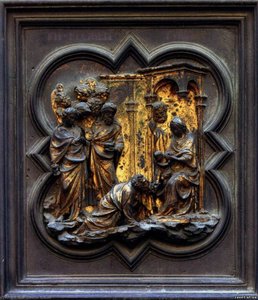
In 1401, Florence held a contest of unparalleled significance – the selection of an artist to create new bronze doors for the city’s magnificent Baptistery. This commission was considered the most prestigious in the region, a testament to artistic merit and civic pride. Lorenzo Ghiberti, a young man brimming with ambition and talent, entered this arena alongside some of the era's most formidable minds, including Filippo Brunelleschi, a rival whose architectural genius would challenge Ghiberti’s own creative vision. The challenge was daunting: to depict the *Sacrifice of Isaac* in relief – a scene from the Old Testament that demanded both technical virtuosity and profound artistic interpretation. Ghiberti's panel wasn’t simply a demonstration of skill; it was a revelation, a bold declaration of a new artistic sensibility. His innovative approach, characterized by graceful figures imbued with a sense of movement and a sophisticated understanding of perspective, secured his victory – a moment that launched his career into immortality. This triumph wasn’t merely about winning a commission; it was a symbolic affirmation of a fresh artistic voice, one poised to redefine the possibilities of sculpture.The “Gates of Paradise”: A Masterpiece Unveiled
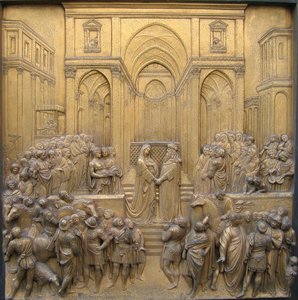
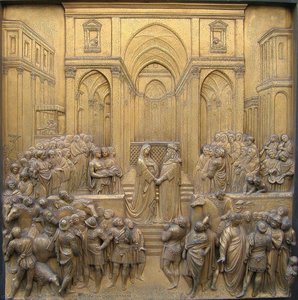
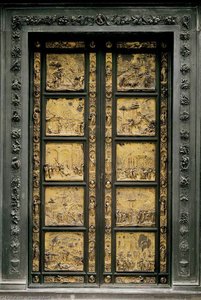
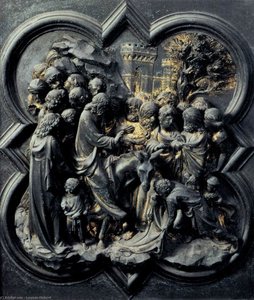
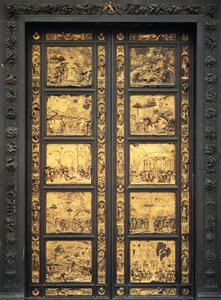
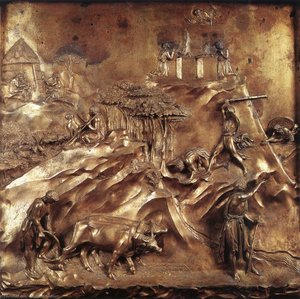
Following the resounding success of the North Doors, Ghiberti was entrusted with an even more ambitious undertaking: the creation of a second set for the Baptistery’s east entrance – a project that would become his magnum opus and earn him the enduring nickname "the Gates of Paradise." Completed in 1452, these doors are arguably the pinnacle of Renaissance sculpture. Each panel depicts scenes from the Old Testament with an unprecedented level of realism, detail, and emotional depth. Ghiberti’s mastery of bronze casting and relief sculpture reached its zenith in these works. The panels aren't merely representations of biblical stories; they are immersive narratives brought to life through meticulous attention to anatomy, drapery, and spatial relationships. He pioneered the use of perspective – a revolutionary technique at the time – to create a sense of depth and realism that was truly groundbreaking. The sheer scale and complexity of the project demanded not only exceptional technical skill but also an unwavering commitment to artistic vision.Style, Influences, and Lasting Impact
Ghiberti’s artistic style represents a beautiful synthesis of Gothic elegance and the burgeoning principles of Renaissance humanism. While deeply rooted in the traditions of medieval craftsmanship – evident in the rich textures and intricate details of his work – he embraced classical antiquity, incorporating elements of Roman art and sculpture into his designs. This fusion created a unique aesthetic that was both refined and profoundly expressive. He wasn’t simply imitating the past; he was reinterpreting it through a distinctly Renaissance lens, imbuing ancient forms with new life and meaning. Beyond his technical brilliance, Ghiberti's work reflects a deep understanding of human emotion and spirituality – qualities that resonated powerfully with audiences throughout Florence and beyond. His legacy extends far beyond his artistic achievements; he embodied the spirit of the Early Renaissance – a period marked by intellectual curiosity, artistic innovation, and a renewed appreciation for classical learning.A Legacy Cast in Bronze
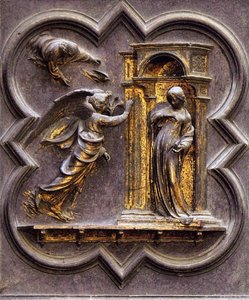
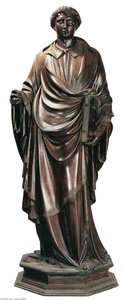
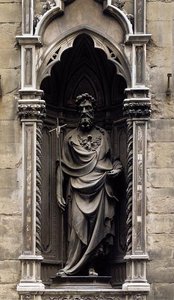
The historical significance of Lorenzo Ghiberti transcends mere technical brilliance. He was a pivotal figure in shaping the cultural identity of Florence during a transformative era. His work not only revolutionized the aesthetic landscape of the city but also helped to define the humanist ideals that would shape Western culture for centuries to come. His meticulous attention to detail, his mastery of perspective, and his ability to imbue his sculptures with emotional depth set a new standard for artistic excellence. Ghiberti’s innovations paved the way for masters like Leonardo da Vinci and Michelangelo, solidifying his place as a cornerstone of Western art history. The “Gates of Paradise” remain an enduring symbol of Florentine civic pride and artistic achievement – a testament to the power of human creativity and the timeless beauty of Renaissance artistry.- Major Works: North Doors & East Doors (Gates of Paradise) – Florence Baptistery, Bronze Statues for Orsanmichele.
- Key Influences: Gothic Art, Classical Antiquity, Renaissance Humanism.
- Artistic Style: Blending Gothic elegance with emerging Renaissance principles; naturalistic depictions, innovative use of perspective.
Запитання та відповіді
Звідки родом Лоренцо Джиберті?
Лоренцо Джиберті народився у Італія.
У якому місті та країні народився/народилася Лоренцо Джиберті?
Лоренцо Джиберті народився/народилася у Флоренція, Італія.