Early Life and Artistic Foundations
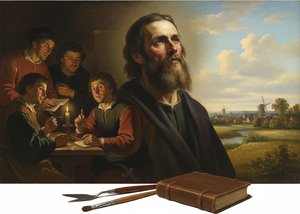
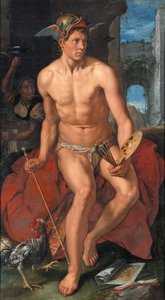
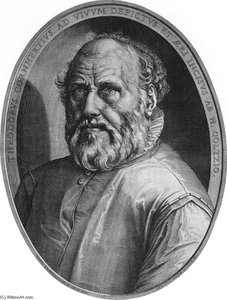
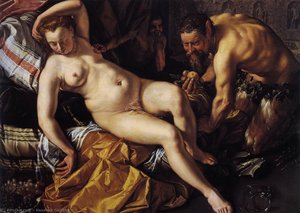
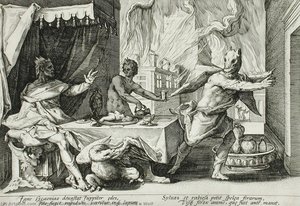
Hendrik Goltzius, a name synonymous with the vibrant dynamism of Northern Mannerism in Dutch art, emerged from humble beginnings in Braunschweig, Germany, in 1558. His early years were steeped in artistic tradition; his family’s lineage included painters who had graced the halls of Venlo, and his father, Jan Goltz II, was a respected glass painter in Duisburg. This familial connection to visual arts provided a fertile ground for young Hendrik's burgeoning talent. He received his initial training in painting on glass – a craft demanding meticulous detail and an understanding of color – before transitioning to the more technically challenging world of engraving under the tutelage of Dirck Volckertszoon Coornhert, a prominent printmaker residing in Cleves. This early apprenticeship laid the groundwork for Goltzius’s distinctive style, imbuing him with a foundational knowledge of composition and technique that would later blossom into masterpieces. The move to Haarlem in 1577 marked a pivotal moment, establishing his base within the thriving artistic community of the Dutch Republic and setting the stage for his prolific career.The Rise of a Master Engraver
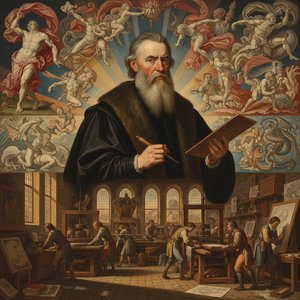
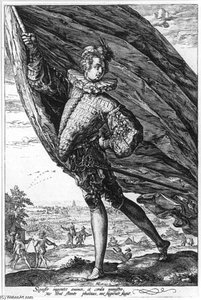
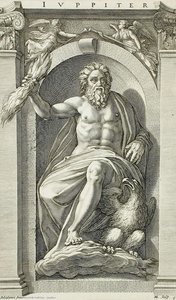
Goltzius’s ascent as a leading engraver was not merely a matter of technical skill; it was fueled by an innate understanding of visual storytelling and a willingness to push the boundaries of printmaking. He quickly established himself as a sought-after artist, commanding commissions from royalty across Europe – including the influential Holy Roman Emperor Rudolf II in Prague. This patronage afforded him access to unparalleled resources and opportunities for artistic exploration. Crucially, Goltzius’s unique physical characteristic—a malformed right hand resulting from a childhood fire—proved to be an unexpected advantage. The limited dexterity of this hand forced him to develop a distinctive, powerful swing when wielding the burin, a tool central to engraving. This unconventional technique resulted in lines that possessed a remarkable energy and dynamism, instantly recognizable as Goltzius’s signature style. His early works often involved meticulously reproducing prints by masters like Dürer and Leyden, demonstrating his dedication to mastering established techniques before venturing into original designs.A Pioneer of Technique: The "Swelling Line"
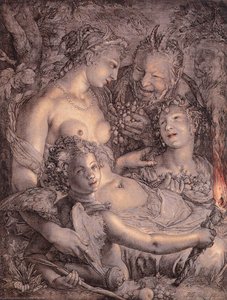
Goltzius didn't simply replicate existing styles; he fundamentally altered the possibilities of engraving. He is widely credited with pioneering the “swelling line” technique – a masterful manipulation of the burin to create varying line weights, effectively simulating tonal shading without resorting to cross-hatching. This innovation allowed him to achieve a remarkable sense of depth and volume within his prints, rivaling the effects of oil paint. Furthermore, he embraced the "dot and lozenge" technique, strategically placing dots within lozenge-shaped spaces created by cross-hatching. These carefully positioned dots further refined tonal values, adding an extraordinary level of subtlety and nuance to his engravings. This combination of techniques distinguished Goltzius’s work from that of his contemporaries, establishing him as a true innovator in the field.Themes and Influences: Spranger and Beyond
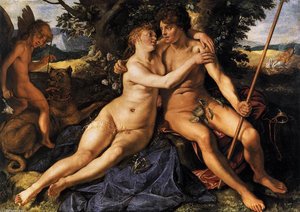
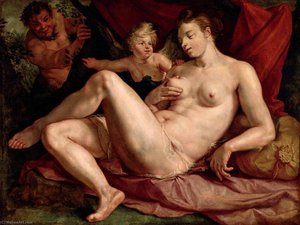
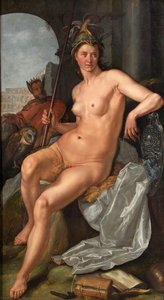
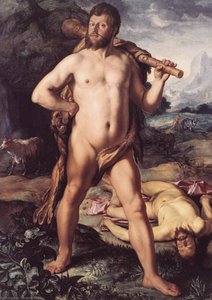
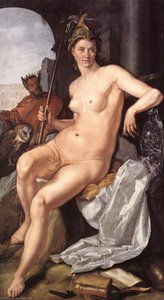
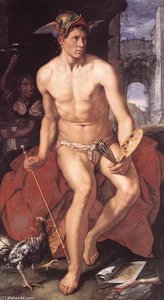
Goltzius's artistic journey was profoundly shaped by the influence of Bartholomaeus Spranger, a prominent Mannerist painter working in Rome. During the 1580s, Goltzius collaborated closely with Spranger, meticulously reproducing his dramatic compositions – particularly *The Wedding of Cupid and Psyche* – for a Dutch audience. This association exposed Goltzius to Spranger’s characteristic style: exaggerated figures, dynamic poses, and an emphasis on theatricality. However, Goltzius didn't merely imitate Spranger; he adapted these influences to his own artistic vision, incorporating them into his original designs. His series depicting the story of Lucretia, for example, showcased a masterful command of composition and dramatic narrative – hallmarks of both Spranger’s style and Goltzius’s unique approach. Beyond Spranger, Goltzius drew inspiration from classical antiquity, evident in his engravings of Roman heroes and mythological scenes.Legacy and Enduring Influence
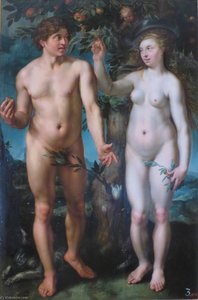
Hendrik Goltzius's impact on the history of art is undeniable. His engravings, characterized by their technical brilliance, dramatic flair, and innovative techniques, exerted a profound influence on subsequent generations of printmakers. Museums across Europe – including the Rijksmuseum in Amsterdam, the Metropolitan Museum of Art in New York, and the British Museum in London – house significant collections of his work, testament to his enduring popularity and artistic merit. Goltzius’s legacy extends beyond individual prints; he helped to popularize Mannerist art within the Netherlands, introducing its dynamic style and sophisticated techniques to a wider audience. His contributions continue to be studied and celebrated by art historians and enthusiasts alike, solidifying his position as one of the most important figures in the history of printmaking.Запитання та відповіді
До якого історичного періоду належить творчість Гендрік Гольціус?
Гендрік Гольціус працював у період — Відродження. Цей період визначає місце творчості митця в історії.
У якому місті та країні народився/народилася Гендрік Гольціус?
Гендрік Гольціус народився/народилася у Брауншвейг, Німеччина.