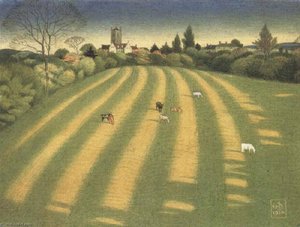
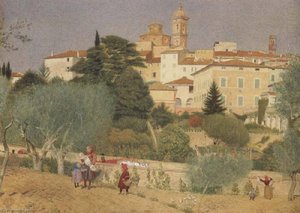
Joseph Edward Southall (1861 - 1944): A Quiet Revolutionary
Joseph Edward Southall, born in Nottingham on August 23rd, 1861, stands as a compelling figure within the British Arts and Crafts movement—a testament to artistic revivalism underpinned by profound Quaker faith and socialist convictions. He wasn’t a flamboyant innovator challenging established conventions; rather, he was a dedicated craftsman who sought inspiration from the early Renaissance while embodying an unwavering moral compass.
His formative years were marked by loss – the untimely death of his father at just over a year old propelled him and his mother to relocate to Edgbaston, Birmingham, fostering connections with a burgeoning artistic community deeply rooted in Ruskinian ideals. This environment profoundly shaped his artistic trajectory, nurturing an appreciation for meticulous detail and craftsmanship.
Early Life & Education
- Born Nottingham, England
- Parents: Joseph Sturge Southall (1835–1862) & Elizabeth Maria Baker (1833–1922)
- Raised in Birmingham with maternal grandmother
- Educated at Ackworth School and Bootham School
Architectural Training & Artistic Beginnings
Following his schooling, Southall pursued architecture briefly, articled to Martin & Chamberlain. However, he quickly recognized the limitations of this profession, yearning for a more holistic engagement with artistic expression—a desire fueled by Ruskin’s advocacy for tempera painting.
The Influence of Ruskin and Tempera Painting
John Ruskin's writings on art and morality exerted an undeniable influence on Southall. Ruskin championed tempera as the ideal medium, arguing that it fostered a more deliberate approach to artistic creation—a rejection of the spontaneity often associated with oil painting. This conviction drove Southall to experiment with egg tempera, establishing a Society for Painters in Tempera alongside Arthur Gaskin and Walter Crane.
Birmingham Group & Artistic Philosophy
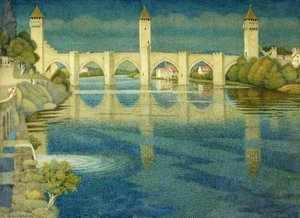
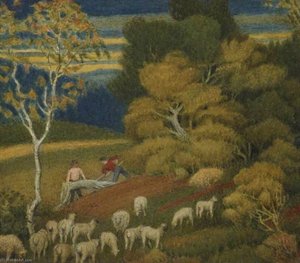
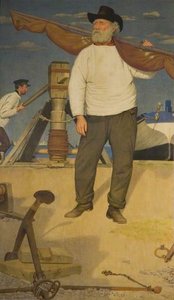
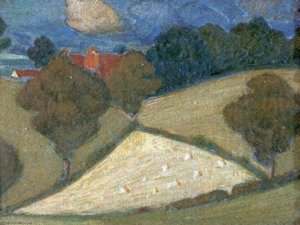
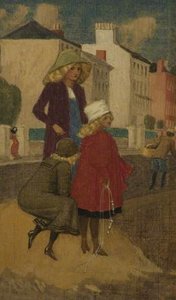
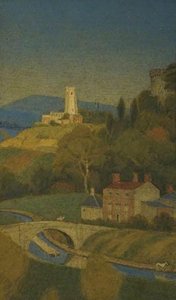
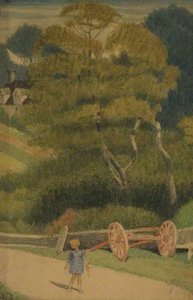
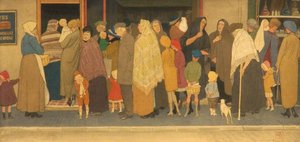
The formation of the Birmingham Group solidified Southall’s artistic philosophy—a commitment to beauty intertwined with ethical responsibility. Inspired by Carlyle, Ruskin, and Morris, the group sought to recapture the spirit of Romanticism while upholding Victorian values. Southall's paintings consistently reflected these principles: depicting domestic interiors, landscapes, portraits, and scenes of everyday life imbued with symbolic resonance.
Notable Achievements & Legacy
Southall’s dedication to tempera painting earned him recognition as a master craftsman and teacher. He served as President of the Royal Birmingham Society of Artists until his death in 1944, leaving behind a legacy of artistic integrity and social engagement. His work continues to inspire admiration for its quiet dignity and profound moral depth.
His paintings—particularly murals depicting biblical narratives—demonstrate an extraordinary command of technique and a sensitivity to visual symbolism. They stand as enduring emblems of the Arts and Crafts movement’s belief in art's capacity to elevate human experience and promote social justice.
Запитання та відповіді
Під якими ще іменами відомий Йозеф Едуард Саутхолл?
Йозеф Едуард Саутхолл також відомий/відома як Йозеф Е. Саутхолл.
Звідки родом Йозеф Едуард Саутхолл?
Йозеф Едуард Саутхолл народився у Велика Британія.
До якого історичного періоду належить творчість Йозеф Едуард Саутхолл?
Йозеф Едуард Саутхолл працював у період — XIX століття. Цей період визначає місце творчості митця в історії.