A Life Etched in Portraits: The World of Lowes Cato Dickinson
Lowes Cato Dickinson, born November 27, 1819, in Kilburn, London, was a figure deeply rooted within the artistic and social landscape of Victorian England. His familial connection to the art world—his father, Joseph Dickinson, being a respected lithographer and publisher on Bond Street—established a trajectory marked by both privilege and profound engagement with the era’s evolving aesthetic sensibilities. One of eleven siblings, he received his formative education at Topsham School and Dr Lord's School in Tooting, equipping him with foundational knowledge before immersing himself fully within the family business following his father’s untimely passing in 1849. This pivotal moment propelled him into partnership with his brothers, Gilbert Bell Dickinson and William Robert Dickinson, to perpetuate Dickinson Brothers on Bond Street—a firm that swiftly ascended to prominence as a beacon of quality art publishing and photography. Early exposure to this commercial enterprise wasn't merely transactional; it served as an apprenticeship in visual culture, honing his eye for detail and composition – qualities that would become hallmarks of his subsequent artistic endeavors as a portraitist.The Pre-Raphaelite Circle and the Call of Social Reform
Dickinson’s artistic journey gained momentum with a three-year expedition to Italy around 1850. This immersive experience profoundly impacted his stylistic development, exposing him to the grandeur of Renaissance masterpieces and fostering an unwavering devotion to truthfulness in representation—a core principle championed by the Pre-Raphaelite Brotherhood. He absorbed their fervent belief in recapturing the spirit of early Christian art, rejecting academic conventions and prioritizing emotional resonance alongside meticulous observation. This affiliation wasn’t solely aesthetic; it resonated with a burgeoning moral compass. Dickinson actively participated in discussions and corresponded with luminaries like Dante Gabriel Rossetti and John Ruskin, solidifying his position within this influential artistic collective. Furthermore, he lectured alongside them, disseminating their ideas and bolstering his reputation as an intellectual voice of the time. The influence of Ruskin’s emphasis on nature and spiritual contemplation is palpable throughout Dickinson's oeuvre.A Portraitist Dedicated to Craftsmanship
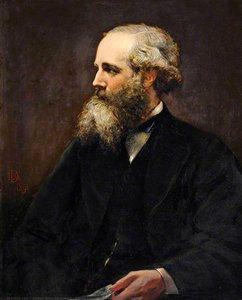
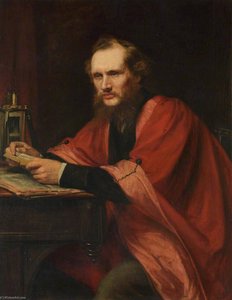
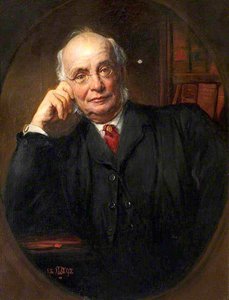
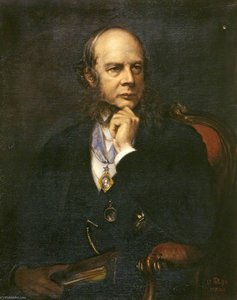
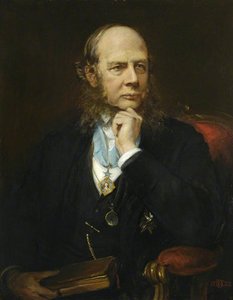
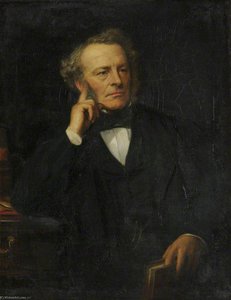
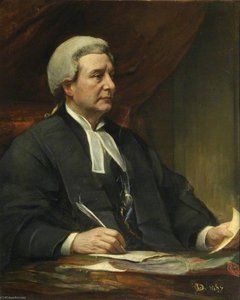
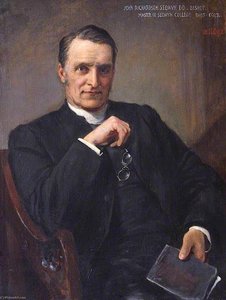
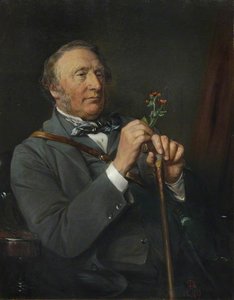
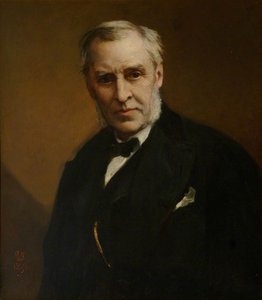
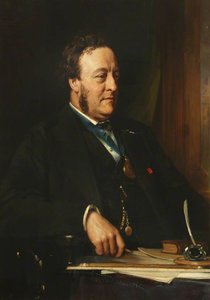
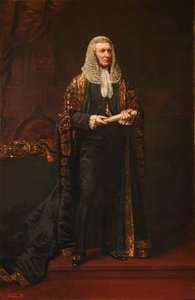
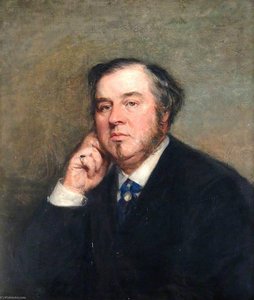
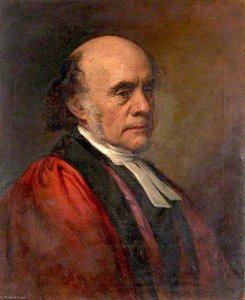
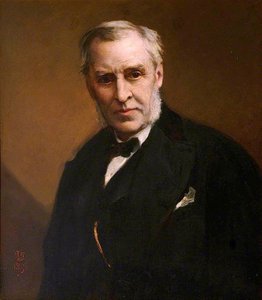
Dickinson’s distinctive approach to portraiture distinguished him from many of his contemporaries. Rather than striving for grand narratives or theatrical displays, he prioritized capturing the essence of his subjects—individuals who held positions of influence within British society. He achieved this remarkable feat through a meticulous technique characterized by painstaking attention to facial features and subtle shading – techniques that conveyed character and emotion with unparalleled sensitivity. Notably, Dickinson often collaborated with other artists on portrait commissions, delegating tasks such as clothing depiction to specialists while concentrating solely on rendering the face itself. This division of labor allowed him to maximize his artistic focus and deliver portraits imbued with profound psychological depth. His reputation for capturing genuine likenesses cemented his place among Britain’s foremost portrait painters.Notable Achievements: Gladstone's Cabinet and Beyond
Among Dickinson’s most celebrated accomplishments was the creation of “Gladstone’s Cabinet,” a monumental portrait commissioned in 1868 depicting William Gladstone, Prime Minister during a pivotal period of British history. This artwork exemplifies his mastery of technique and his ability to convey not merely physical appearance but also inner character—a testament to his artistic vision. He skillfully reconstructed likenesses from photographs or descriptions, ensuring that memory endured beyond the confines of mortality. Dickinson’s legacy extends far beyond individual artworks; he established the Working Men's College in London in 1854 – an institution dedicated to providing accessible education to underprivileged communities—reflecting his unwavering conviction in the transformative potential of knowledge and fostering social harmony.Legacy and Enduring Influence
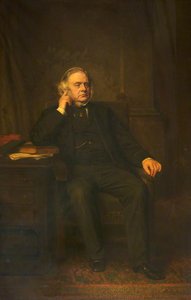
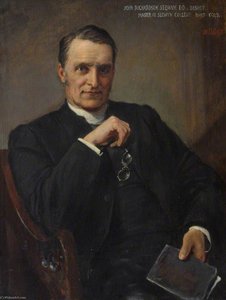
Lowes Cato Dickinson’s contributions to British art history are commemorated prominently within the National Portrait Gallery in London, where numerous canvases bearing his signature grace the walls. The annual Lowes Dickinson Award recognizes student excellence in visual arts—a continuing tribute to his enduring influence on artistic education. His scholarly papers reside at Princeton, Oxford, and Cambridge Universities – invaluable resources for researchers delving into Victorian art, social history, and the intersection of faith and reform. Dickinson’s life embodies a harmonious blend of artistic talent, moral conviction, and intellectual curiosity—a portrait not merely of an artist but of a man who profoundly shaped his era through both creative expression and active engagement with societal betterment. His enduring legacy resides in the images he created – visual records of Victorian society that continue to inspire contemplation and admiration today.Запитання та відповіді
Під якими ще іменами відомий Лоуэс Като Диккенсон?
Лоуэс Като Диккенсон також відомий під іншими іменами: Голдерворти Лоуэс Диккенсон.
У якому місті та країні народився/народилася Лоуэс Като Диккенсон?
Лоуэс Като Диккенсон народився/народилася у Кілберн, Великобританія.
Звідки родом Лоуэс Като Диккенсон?
Лоуэс Като Диккенсон народився у Великобританія.