Мікалоюс Константас Чірліоніс

1875 - 1911

Короткі факти

  • Corpus themes:
    • lithuanian folklore
    • lithuanian identity
    • symbolism
    • symbolist landscape
    • spiritual reflection
  • Museums on APS: Національний художній музей Мікалоюса Констанτιна Чюрлюніса
  • Top-ranked work: Funeral Symphony. VII from the cycle of 7 paintings
  • Works on APS: 173
  • Vibe:
    • містичний
    • ефірний
  • Topics explored:
    • symbols
    • sea
    • lithuanian art
    • sunset
    • mountains
  • Color intensity: збалансований
  • Room fit: вітальня
  • Died: 1911
  • Movements: symbolism
  • Більше…
  • Nationality: Литва
  • Copyright status: Public domain
  • Born: 1875, Шяуляй, Литва
  • Emotional tone: загадковий
  • Lifespan: 36 years
  • Art period: — Модерн
  • Typical colors: темні відтінки
  • Creative periods: mature period
  • Also known as: Микола́й Костанті́йович Черланіс

Early Life and Artistic Beginnings

Mikalojus Konstantinas Čiurlionis, a luminary of Lithuanian art, was born in 1875 in Šiauliai, a city steeped in history and cultural significance. His early years were shaped by his family’s heritage – his mother, Adelė Radmanaitė, descended from a Lutheran family with roots in Bavaria, while his father, Konstantinas Čiurlionis, was an organist and choirmaster who had briefly served in Liškiava. This blend of influences likely contributed to the artist's unique perspective. His formative years were spent in Druskininkai and Plungianske, where he developed a deep connection with nature – a theme that would become central to his artistic vision. It was in Vilnium, however, that his fascination with both art and music truly ignited, laying the foundation for his future explorations of form and sound.

Artistic Style and Influences

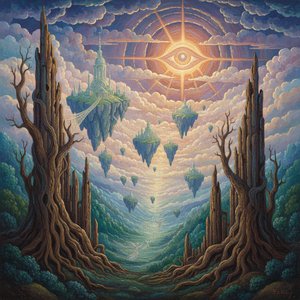
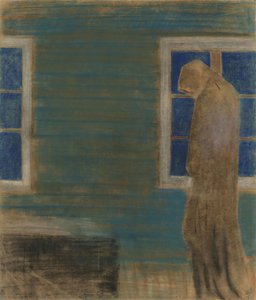
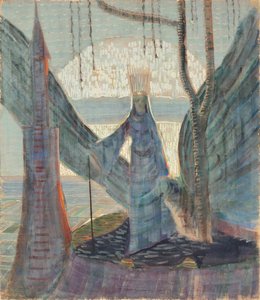
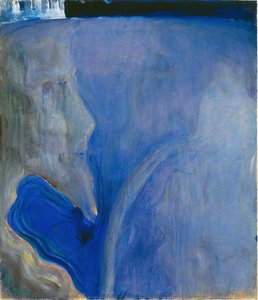
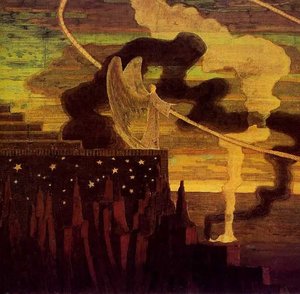
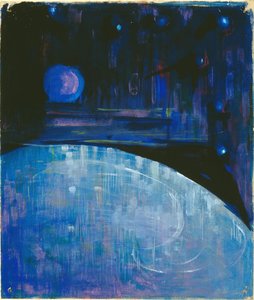
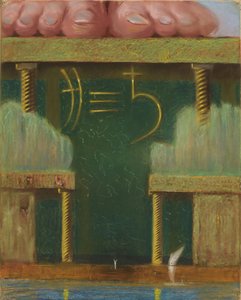
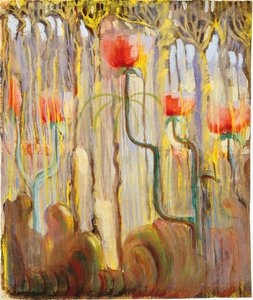
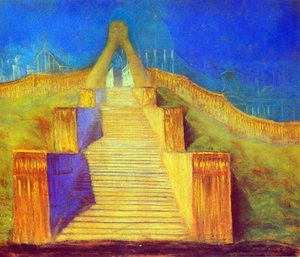
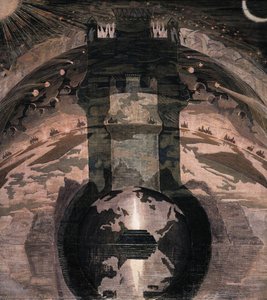
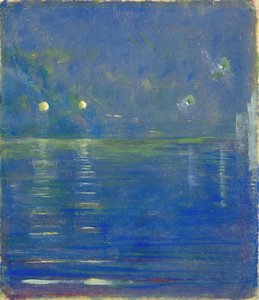
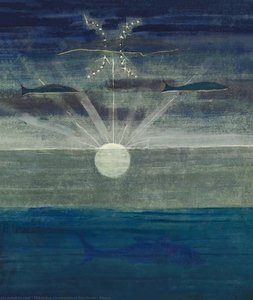
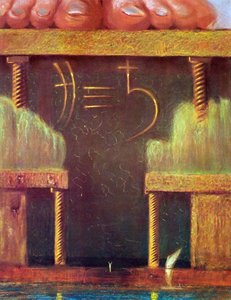
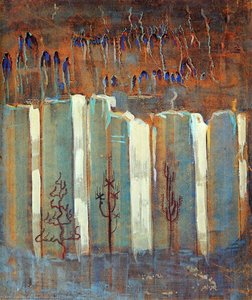
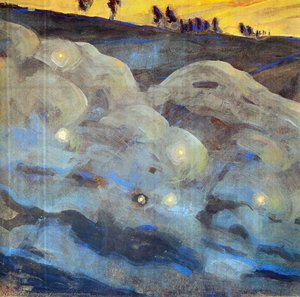
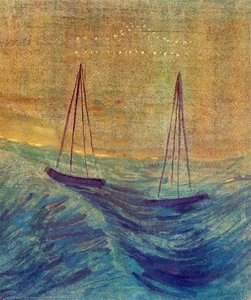
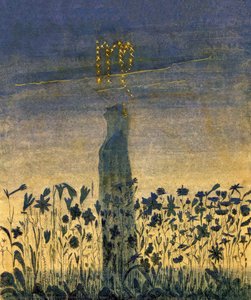
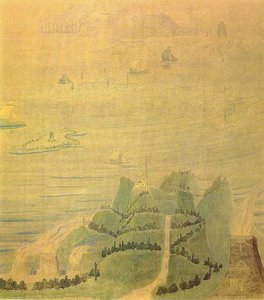
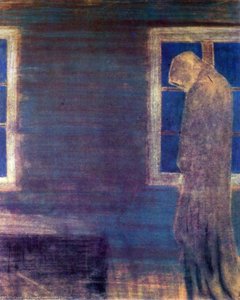
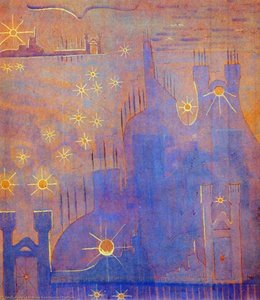
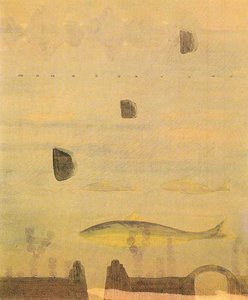
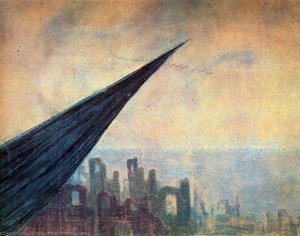
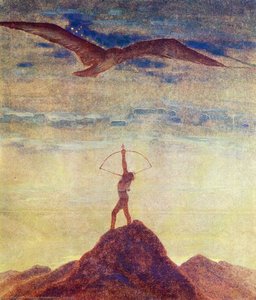
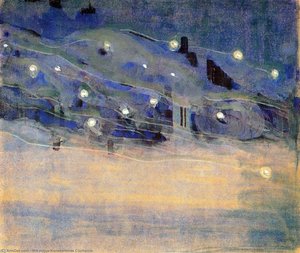
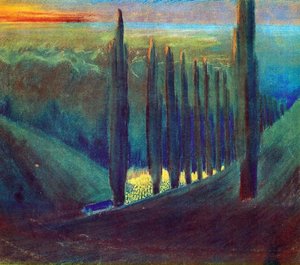
Čiurlionis’s artistic style is profoundly rooted in Symbolism, a movement characterized by its emphasis on evoking emotions and ideas through subtle suggestion rather than direct representation. He wasn't merely depicting scenes; he was translating inner experiences into visual language. His works often possess an ethereal quality, featuring dreamy landscapes, figures imbued with a sense of mystery, and a palpable spiritual dimension. The influence of Symbolism is evident in his use of color – vibrant hues are employed not for their literal depiction but to convey mood and atmosphere. Furthermore, Čiurlionis’s work demonstrates connections to the broader artistic landscape of his time, drawing inspiration from artists like Antoni Sygietyński and Zygmunt Noskowski, whose explorations of musicality in art resonated with his own creative spirit.

Key Works and Techniques

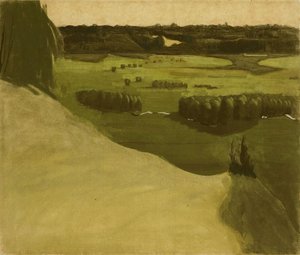
Čiurlionis's oeuvre is remarkably diverse, encompassing paintings, graphic works, music (including symphonic poems and string quartets), and literary pieces. His most celebrated works include “In the Forest” and “The Sea,” two symphonic poems that masterfully capture the essence of Lithuanian nature through a synthesis of color, form, and musicality. These pieces are not simply landscapes; they are sonic visions rendered in paint. His technique involved layering colors to create luminous effects, often employing a loose, expressive brushstroke – a departure from more rigid academic styles. The “Angel of Hearth and Home,” though its attribution remains somewhat debated within art circles, exemplifies his ability to imbue everyday subjects with symbolic weight and spiritual resonance.

Museological Significance and Legacy

Mikalojus Konstantinas Čiurlionis’s impact extends far beyond the individual artworks he created. He played a crucial role in shaping Lithuanian national identity through his artistic explorations of the country's landscape, folklore, and spirit. His work is prominently featured in museums across Lithuania and internationally, including the prestigious M. K. Čiurlionis National Art Museum in Kaunas, which houses an extensive collection of his paintings and drawings. Furthermore, his influence can be observed in contemporary Lithuanian art and culture, solidifying his position as a pivotal figure in the nation’s artistic heritage. The renaming of Vilnius Airport to honor him is a testament to his enduring legacy and recognition by the country he called home.

A Pioneer of Abstract Art

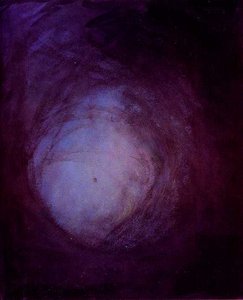
Interestingly, Čiurlionis's work predates many of the formal developments associated with abstract art. While not strictly adhering to any single movement, his use of color, form, and symbolism – often divorced from representational accuracy – anticipates later explorations of non-objective imagery. He essentially created a visual language that prioritized emotional expression and spiritual insight over literal depiction, making him a significant precursor to the development of abstract painting in Europe. His legacy continues to inspire artists and art enthusiasts alike, reminding us of the power of art to transcend boundaries and connect with the deepest realms of human experience.

Квіз про мистецтво

У кожному запитанні лише одна правильна відповідь.

Запитання 1:
Яке мистецьке рух найбільш тісно пов'язане з творчістю Мікалаюса Констанція Чірліоніса?
Запитання 2:
У якому місті відбулося народження Мікалаюса Констанція Чірліоніса?
Запитання 3:
Який з творів Мікалаюса Констанція Чірліоніса відображає його унікальний підхід до символізму?
Запитання 4:
У якому році помер Мікалаюс Констанцій Чірліоніс?
Запитання 5:
Яка музейна установа в Латвії демонструє значну колекцію творів мистецтва, включаючи роботи символістичної епохи, зокрема, твори Чірліоніса?


© 2026 mus3ums.com