A Life Bridging Science and Art: The World of Paul Ayshford Methuen
Paul Ayshford Methuen, the 4th Baron Methuen, was a figure whose life beautifully exemplified the harmonious coexistence of seemingly disparate passions. Born in 1886 at Corsham Court, Wiltshire, into a family steeped in military tradition – his father being Field Marshal Paul Sanford Methuen – young Paul’s path wasn't solely predetermined by lineage. While he received an education befitting his station, attending Eton College and later New College, Oxford, where he studied zoology and engineering, it was a burgeoning curiosity for the natural world and artistic expression that truly defined him. This early inclination towards both scientific inquiry and aesthetic appreciation would become the hallmark of his remarkable life. His initial academic pursuits led him to South Africa in 1910, where he spent four years immersed in research at the Transvaal Museum in Pretoria. There, alongside John Hewitt, he made significant contributions to herpetology, meticulously collecting and describing numerous southern African and Madagascan genera and species. Despite being offered a prestigious chair in zoology at a South African university, Methuen ultimately chose to return to his ancestral home, Corsham Court, demonstrating a deep-seated commitment to preserving his family’s legacy and the estate itself. This decision wasn't a rejection of science, but rather a prioritization of roots and a foreshadowing of his multifaceted future.
From Zoological Observation to Artistic Vision
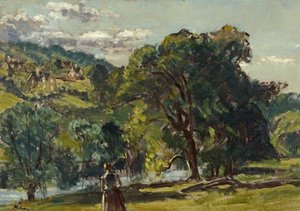
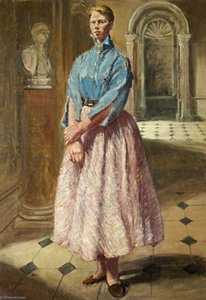
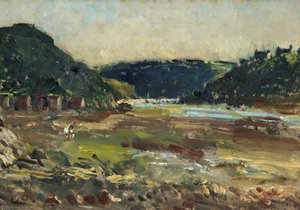
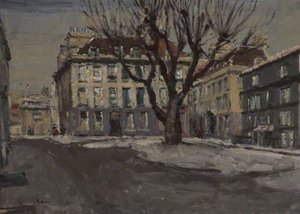
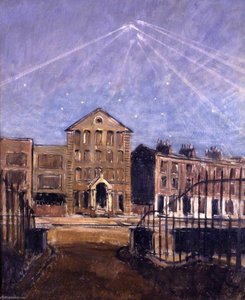
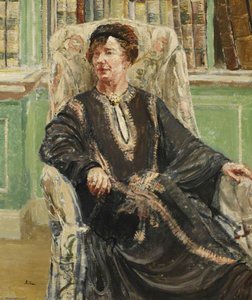
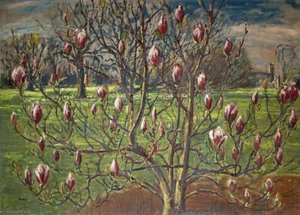
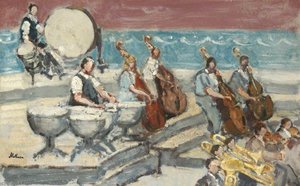
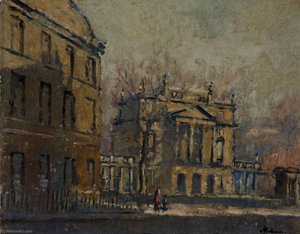
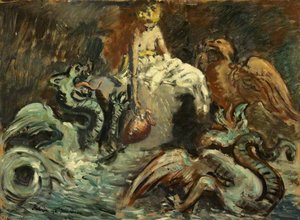
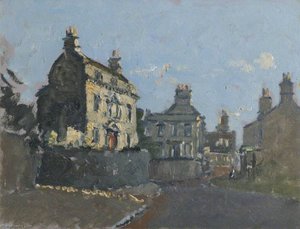
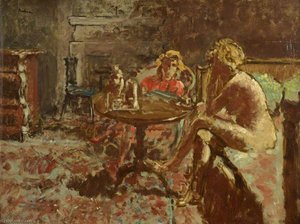
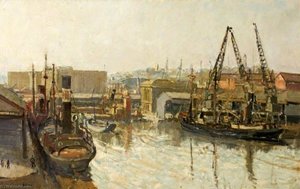
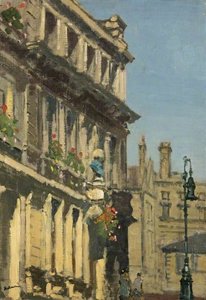
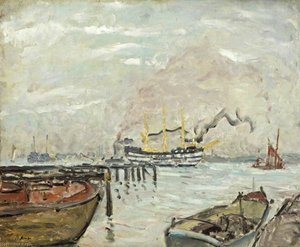
The outbreak of World War I saw Methuen serving with both the Royal Wiltshire Yeomanry and the Scots Guards, experiences that undoubtedly shaped his perspective. The discipline, camaraderie, and observation skills honed in military service likely influenced his later artistic approach – a keen eye for detail and an appreciation for the grandeur of the natural world. However, it was in 1927 that a pivotal shift occurred, one that would solidify his identity as an artist. He began attending art classes led by the renowned Walter Sickert, a master of capturing everyday life with unflinching realism and atmospheric nuance. Sickert’s influence proved profound, encouraging Methuen to embrace a more impressionistic style characterized by bold color choices and a focus on light and atmosphere. This mentorship unlocked a latent artistic talent, transforming his keen observational skills – honed through years of scientific study – into a powerful means of visual expression. Methuen's subjects quickly revealed themselves: urban landscapes, the serene beauty of outdoor scenes, and the delicate details of the natural world surrounding Corsham Court—magnolias, orchids, and the estate’s lush gardens became recurring motifs in his work. He wasn’t merely *depicting* these subjects; he was imbuing them with a sense of atmosphere and emotional resonance, reflecting both his scientific understanding and artistic sensibility.
The Influence of Scientific Observation
Methuen's early career as a zoologist profoundly shaped his artistic sensibilities. His meticulous research in South Africa instilled within him an acute awareness of detail, color, and form – qualities he later translated into his paintings. The careful observation required to identify and classify new species directly informed his ability to render the intricate textures of leaves, the subtle gradations of light on water, and the complex patterns of animal markings. His scientific background also fostered a deep respect for nature, which is evident in the reverence with which he portrays the landscapes and flora of Wiltshire and beyond. He wasn’t simply painting pretty pictures; he was engaging in a process of careful study and interpretation, seeking to capture not just what *looked* like something but also what it *was*. This intellectual rigor informed his artistic choices, resulting in works that possess both aesthetic beauty and scientific accuracy.
Recognition and Stewardship: A Legacy Forged Through Dedication
By 1928, Methuen had established himself as a serious artist, holding his first one-man show at the Warren Gallery in London. This marked the beginning of a sustained period of exhibition activity, with regular showings at prestigious venues like the Leicester Galleries and Colnaghi’s, alongside prominent institutions such as the Royal Academy and the New English Art Club. His talent and dedication were formally recognized in 1951 when he was elected an Associate of the Royal Academy, followed by his elevation to full Royal Academician status in 1959 – a testament to his significant contribution to British art. Beyond his artistic achievements, Methuen demonstrated a remarkable commitment to cultural preservation. He served as president of the Royal West of England Academy from 1939 to 1971, championing regional artists and fostering a vibrant artistic community within Bristol. He also held positions as a trustee of both the National Gallery and the Tate Gallery, demonstrating his dedication to safeguarding national treasures. During World War II, he played a crucial role in protecting artworks as part of the Procurement and Fine Art branch, documenting his experiences in *Normandy Diary*, offering valuable insights into the challenges faced by artists during wartime.
A Lasting Impression: The Enduring Significance of Paul Ayshford Methuen
Paul Ayshford Methuen passed away in Bath in 1974, leaving behind a rich and diverse body of work that continues to captivate audiences today. His paintings are not simply representations of landscapes or cityscapes; they are imbued with a sense of place, atmosphere, and emotional depth. His unique background – the blend of scientific precision and artistic vision – allowed him to approach his subjects with both analytical rigor and poetic sensitivity. The legacy extends beyond his canvases. A species of South African lizard, *Lygodactylus methueni*, stands as a testament to his early zoological contributions. More broadly, Methuen’s life serves as an inspiring example of how diverse passions can converge to create a truly meaningful existence. He was a man who seamlessly navigated the worlds of science and art, aristocracy and public service, preservation and innovation—a true Renaissance figure whose impact continues to resonate within the artistic and cultural landscape of Britain. His work remains a compelling reminder that observation, dedication, and a deep appreciation for beauty are essential ingredients in both scientific discovery and artistic creation.