Sebastiano Mainardi: A Florentine Master of Madonna Portraits
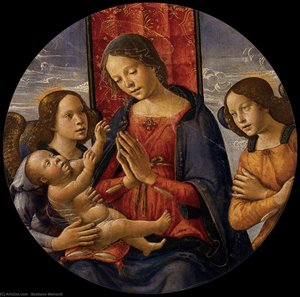
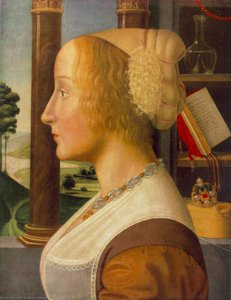
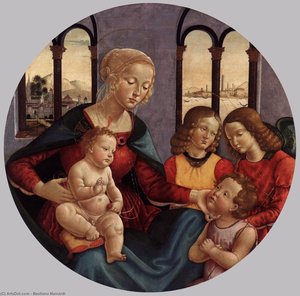
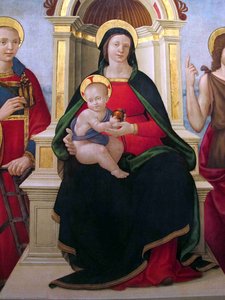
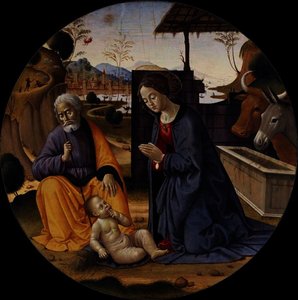
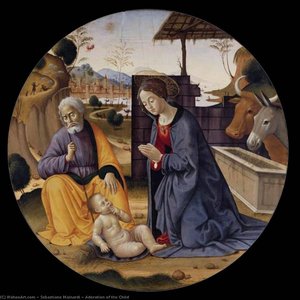
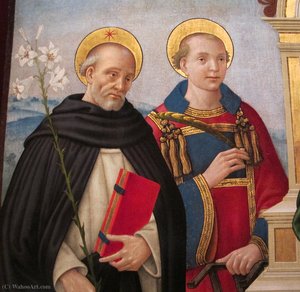
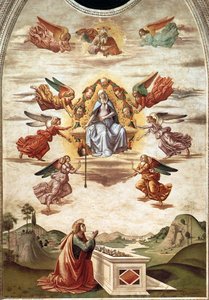
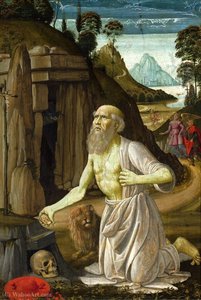
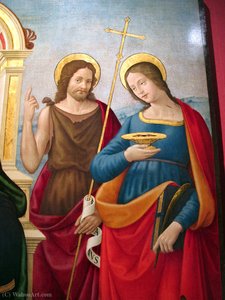
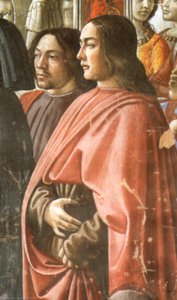
Sebastiano Mainardi (c.1460 – 1513), born in San Gimignano, Tuscany, stands as a pivotal figure within the Early Renaissance artistic landscape of Florence. Largely illuminated by the meticulous observations of Giorgio Vasari—the celebrated biographer of artists—his life’s narrative remains fragmented yet undeniably intertwined with the flourishing creative spirit of his era. Primarily recognized for his serene Madonna portraits and contributions to monumental frescoes, Mainardi's legacy endures as a testament to Ghirlandaio’s influence and the enduring beauty of Florentine art. Early Life & Training: Giorgio Vasari recounts that Mainardi was apprenticed to Domenico Ghirlandaio, arguably Florence’s most prominent painter during this period. This association proved invaluable, fostering a stylistic kinship characterized by harmonious color palettes and refined compositional balance—traits readily discernible in numerous works attributed to both artists. The careful attention to detail and subtle shading techniques characteristic of Ghirlandaio's style permeated Mainardi’s artistic approach, shaping his distinctive visual language. Collaboration with Ghirlandaio: The Sassetti Chapel frescoes commissioned by Giovanni Battista Sassetti represent arguably Mainardi’s most celebrated achievement. Under Ghirlandaio's guidance, he skillfully executed scenes depicting the Nativity and Adoration of the Magi, demonstrating a masterful grasp of perspective and drapery—techniques that epitomized the artistic ideals of the time. Vasari meticulously documented this partnership, emphasizing the collaborative spirit and mutual respect between the two masters. The resulting frescoes are considered cornerstones of Florentine Renaissance art, showcasing Ghirlandaio’s innovative use of color and Mainardi's meticulous execution. The Abbey of Passignano: Evidence suggests Mainardi participated in decorating the Abbey of Passignano near Florence. Although details regarding his involvement remain scarce, scholars believe he contributed to the frescoes adorning the basilica’s interior, furthering Ghirlandaio's artistic vision and solidifying Florentine artistic prestige. The Abbey’s grandeur reflects the ambition of its patrons and underscores Mainardi’s role in elevating Florentine art to new heights—a testament to his dedication and artistic talent. Madonna Portraits & Artistic Style: Beyond monumental frescoes, Mainardi produced a series of Madonna portraits distinguished by their tranquil expressions and idealized depictions of motherhood. These paintings exemplify the humanist aesthetic prevalent in Florence—emphasizing spiritual contemplation and conveying profound emotional depth. His style is notable for its subtle modeling and luminous coloration; he skillfully captured the ethereal beauty of Mary and Child, imbuing his canvases with a sense of serenity and grace. The Madonna portraits stand as enduring symbols of piety and artistic excellence. Legacy & Influence: Although Mainardi’s oeuvre remains relatively modest compared to contemporaries like Michelangelo or Raphael, his work nonetheless embodies the essence of Florentine Renaissance art. He served as a crucial link between Ghirlandaio's formative style and subsequent artistic developments—a testament to the enduring power of mentorship and collaborative creativity. His contribution to the Sassetti Chapel frescoes cemented his place in art history, ensuring that his serene Madonna portraits continue to inspire admiration centuries later. Exploring Mainardi’s work allows us to appreciate the subtle nuances of Florentine Renaissance aesthetics and the profound impact of artistic collaboration.Запитання та відповіді
Звідки родом Себастьяно Майнарди?
Себастьяно Майнарди народився у Італія.
Які псевдоніми або інші імена має Себастьяно Майнарди?
Себастьяно Майнарди також відомий/відома як Бастыано Майнарди.
У якому місті та країні народився/народилася Себастьяно Майнарди?
Себастьяно Майнарди народився/народилася у San Gimignano, Італія.