A Poetic Vision of Edo Japan: The Life and Art of Utagawa Hiroshige
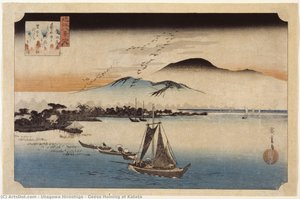
Utagawa Hiroshige, born Andō Tokutarō in 1797 in the bustling city of Edo (modern Tokyo), stands as a pivotal figure in the world of *ukiyo-e*, or “pictures of the floating world.” Though deeply rooted in the traditions of Japanese woodblock printing, Hiroshige transcended mere replication, imbuing his landscapes with a poetic sensibility that resonated profoundly both within Japan and, later, across the Western art world. His life unfolded during a period of relative peace and prosperity under the Tokugawa shogunate, yet also one marked by increasing social change and eventual westernization – forces that would ultimately contribute to the decline of *ukiyo-e* even as they amplified Hiroshige’s enduring legacy. Initially destined for a more conventional path within a samurai family—his father served as a fire warden—Hiroshige's artistic inclinations led him to apprenticeship under Utagawa Toyohiro, a master of the Utagawa school. This proved a crucial turning point, steering him away from the popular depictions of courtesans and actors favored by many *ukiyo-e* artists toward a focus on landscape, a genre he would ultimately redefine.From Genre Scenes to Evocative Landscapes
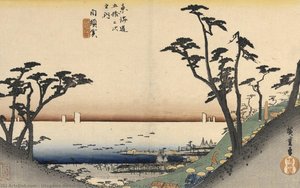
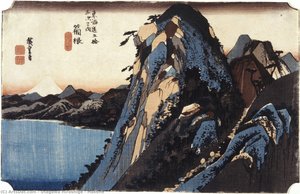
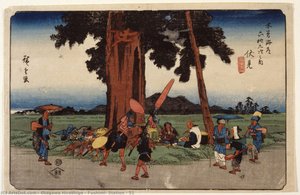
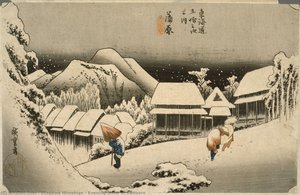
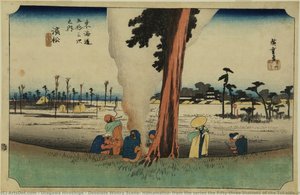
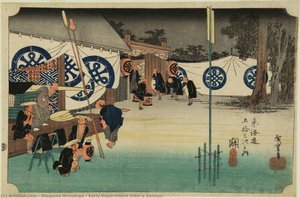
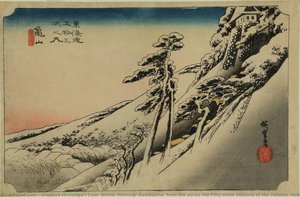
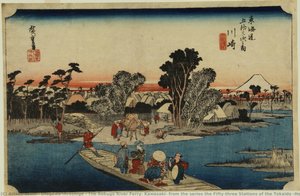
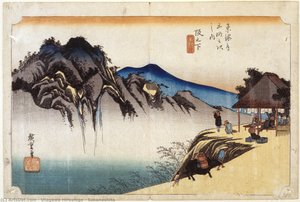
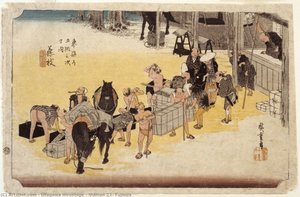
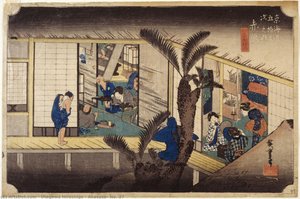
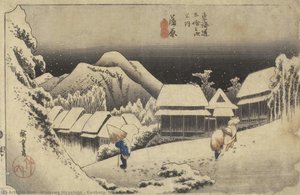
Hiroshige’s early work adhered to the conventions of his school, featuring portraits and scenes from daily life. However, it was his embrace of landscape that truly distinguished him. Influenced by earlier masters like Hokusai—whose *Thirty-six Views of Mount Fuji* had already captivated audiences—Hiroshige developed a unique style characterized by atmospheric perspective, subtle color palettes, and a profound sensitivity to the changing seasons. He didn’t merely depict places; he evoked their mood, capturing the essence of a particular moment in time. The series *The Fifty-three Stations of the Tōkaidō* (1833–1834), perhaps his most celebrated achievement, exemplifies this approach. This monumental work documented the journey along the Tōkaidō road, the main route connecting Edo to Kyoto, not as a straightforward travelogue but as a series of evocative vignettes—a sudden rain shower at Shono, a distant view of Mount Fuji from Kanaya, the bustling activity at Odawara. Each print is imbued with a sense of transience and quiet beauty, inviting viewers to experience the journey alongside the travelers. He masterfully employed *bokashi*, a technique involving multiple impressions to create subtle gradations of color, adding depth and atmosphere to his compositions. The prints often feature a delicate balance between foreground detail and distant haze, creating a powerful illusion of space and drawing the viewer into the scene.A Master of Atmosphere and Technique
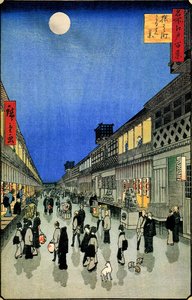
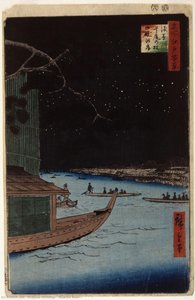
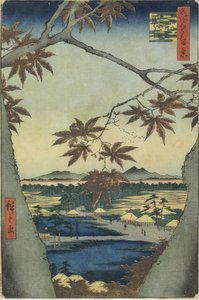
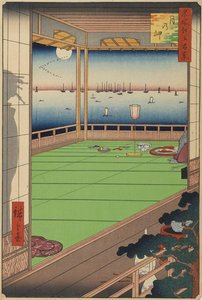
Hiroshige’s technical skill was as remarkable as his artistic vision. He wasn't simply interested in accurate representation; he sought to capture the *feeling* of a place. His use of color, though often restrained compared to some of his contemporaries, was crucial in achieving this effect. He frequently employed multiple blocks for a single color, allowing him to create nuanced shades and atmospheric effects that were incredibly difficult to replicate. The delicate washes of blue in his depictions of rain or mist, the warm hues of autumn foliage—these weren’t accidental; they were carefully considered elements designed to evoke specific emotions and sensations. Beyond *bokashi*, Hiroshige was adept at utilizing blank space – *ma* – a concept central to Japanese aesthetics, allowing areas of the print to “breathe” and enhancing the overall sense of tranquility. His series *One Hundred Famous Views of Edo* (1856–1858) further showcased his mastery, offering intimate glimpses into the life and landscapes of his beloved city. These prints are not simply depictions of buildings and streets; they are carefully constructed compositions that capture the energy and dynamism of Edo’s urban sprawl.Influence and Legacy
Hiroshige's work profoundly influenced both Japanese and Western art. His innovative use of color, composition, and atmospheric perspective paved the way for later generations of landscape artists. The *Fifty-three Stations of the Tōkaidō* series, in particular, became a model for subsequent travel prints. Furthermore, Hiroshige’s work played a significant role in the development of *Japonisme*, the craze for Japanese art that swept through Europe in the late 19th century. Artists like Monet, Degas, and Van Gogh were deeply inspired by his prints, incorporating elements of his style—particularly his use of color and atmospheric perspective—into their own paintings. Vincent van Gogh, in particular, created a series of copies of Hiroshige’s *Plum Park in Kameido*, demonstrating his profound admiration for the Japanese master's ability to capture the fleeting beauty of nature. Hiroshige’s legacy extends beyond individual artists; he helped to elevate landscape prints from mere illustrations to respected forms of artistic expression, shaping the course of Japanese art history and influencing the aesthetic sensibilities of a global audience.Notable Works
- The Fifty-three Stations of the Tōkaidō: Hiroshige’s most famous series, depicting the journey along the main road between Edo and Kyoto.
- One Hundred Famous Views of Edo: A captivating portrayal of life and landscapes in his beloved city.
- Influence on Vincent van Gogh's Japonaiserie Series: Including “Flowering Plum Tree after Hiroshige,” demonstrating Van Gogh’s deep admiration for the Japanese master.
Запитання та відповіді
До якого історичного періоду належить творчість Утаґава Хірошіґе?
Утаґава Хірошіґе працював у період — XIX століття. Цей період визначає місце творчості митця в історії.
Де і в якому році народився/народилася Утаґава Хірошіґе?
Утаґава Хірошіґе народився/народилася в Едо у 1797 році.
У якому місті та країні народився/народилася Утаґава Хірошіґе?
Утаґава Хірошіґе народився/народилася у Едо, Японія.