Ранні роки, родина та навчання
Народившись у 1870 році у Філадельфії, штат Пенсильванія, Вільям Джеймс Глаккенс прийшов у світ, сформований наполегливою працею його батьків — Елізабет Фінн Глаккенс та Семюеля Глаккенса, клерка Пенсильванської залізниці. Мистецький хист пронизував усю його родину; його старший брат Луїс, народився у 1866 році, згодом також знайшов свій шлях як ілюстратор. Юний Глаккенс розпочав свою формальну освіту в Центральній середній школі — закладі, відомому своєю суворою мистецькою програмою, яка заклала міцний фундамент для розвитку його художнього зору.
Його професійне становлення пройшло шлях від шкільних класів до Академії витончених мистецтв Пенсильванії. Саме тут він опинився під опікою Томаса Аншуца, реаліста, чий вплив допоміг визначити напрям його ранніх робіт. Цей період навчання став вирішальним для вдосконалення технічних навичок, які згодом визначать його підхід до міського пейзажу. Глаккенс не просто спостерігав за світом; завдяки дисциплінованій практиці він навчився переносити рух та сувору реальність мегаполісу на полотно.
Художній стиль та техніка
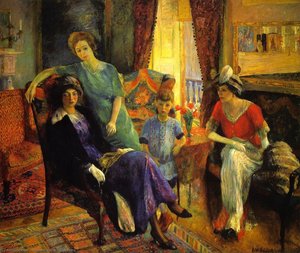
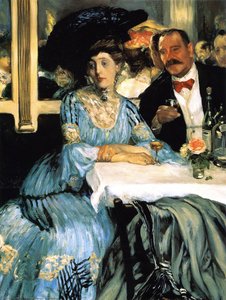
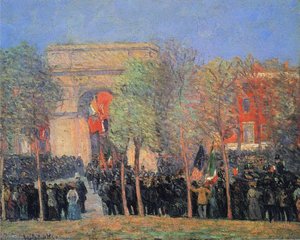
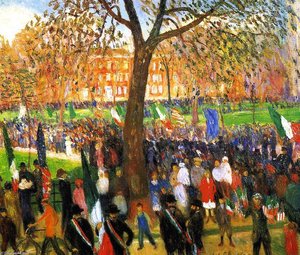
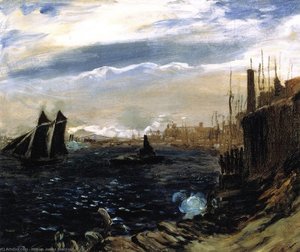
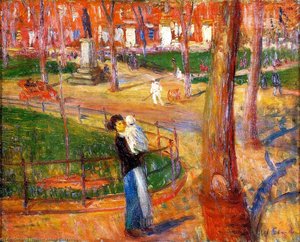
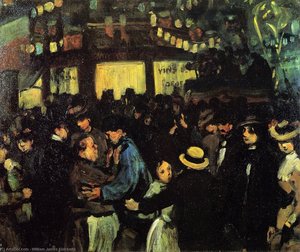
Вільям Джеймс Глаккенс утвердився як один із піонерів школи Ашкан — мистецького напряму, що прагнув здерти відшліфований блиск традиційного академічного мистецтва, щоб оголити справжню, подекуди жорстку реальність міського існування. Його ранні роботи були присвячені непідробленій правді Нью-Йорка та Парижа часів перед Першою світовою війною, часто втіленої через похмурі вуличні сцени, що вловлювали сам пульс урбаністичного життя. Використовуючи сміливі кольори та експресивні мазки, він майстерно передавав динаміку міста, знаходячи особливу естетику у буденних справах натовпу. Його композиції часто зосереджувалися на енергії вулиці, змальовуючи щоденні ритми людей, що пробираються крізь міські лабіринти.
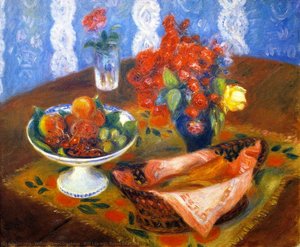
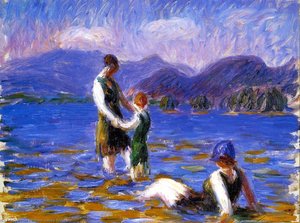
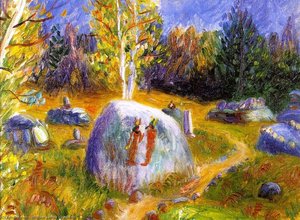
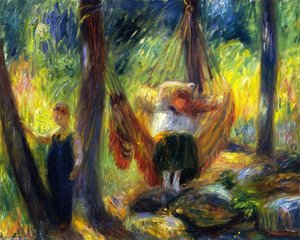
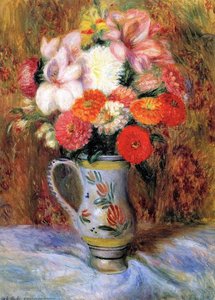
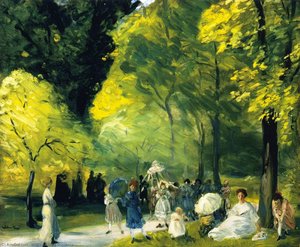
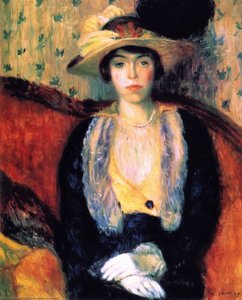
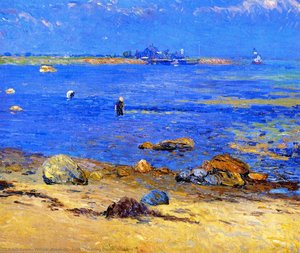
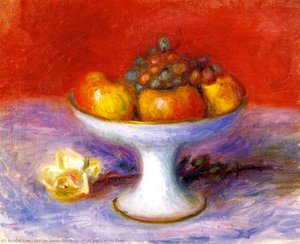
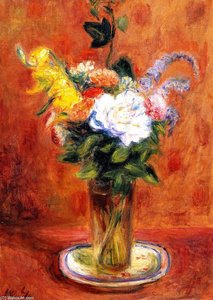
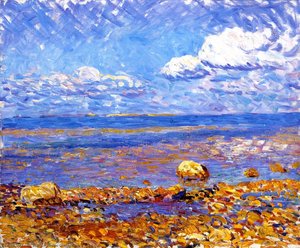
З плином років його палітра зазнала значної трансформації. Похмурі, важкі тони раннього реалізму поступилися місцем більш світлому та люмінесцентному підходу. Цей перехід відображав зростаючий інтерес до легкості мазків Ренуара, що переорієнтувало його увагу на натюрморти, студійні сцени та пейзажі. Якщо його перша слава була викувана в тінях мегаполіса, то пізні роки продемонстрували справжнє опанування світла та прихильність до більш делікатних сюжетів. Він залишався однаково вправним у передачі тиші пейзажу чи індивідуального характеру портрета, балансуючи між інтенсивністю своїх міських сцен та більш витонченим, багатогранним кольоровим сприйняттям.
Професійна діяльність та творчий шлях
Професійне життя Вільяма Джеймса Глаккенса було глибоко вкорінене в бурхливій енергії міської преси. Перш ніж остаточно утвердитися у високому мистецтві, він працював художником-ілюстратором у газеті Philadelphia Record, де знайшов стабільну роботу. Це раннє занурення у стрімкий світ журналістики дозволило йому безпосередньо спостерігати за тим, як змінюється соціальний ландшафт міста. Його майстерність ілюстратора з часом розширилася, охопивши різні видання у Філадельфії та Нью-Йорку, що заклало практичний фундамент для його подальших глибоких досліджень міського життя.
Коли фокус його уваги змістився у бік живопису, він став центральною постаттю в американському мистецькому середовищі початку XX століття. Будучи членом «Вісімки» — групи художників, що прагнули кинути виклик панівним естетичним стандартам того часу, — він разом із представниками школи Ашкан допоміг визначити новий вектор розвитку американського реалізму. Його творчість відмовилася від ідеалізованих сюжетів на користь непідробленої, суворої реальності вулиць. Цей період його кар'єри став переходом від похмурих, жорстких зображень міського буття до стилю, що випромінював ширший, більш колоритний погляд, сформований під впливом його подорожей та безперервних спостережень за світом.
Ключові твори та шедеври
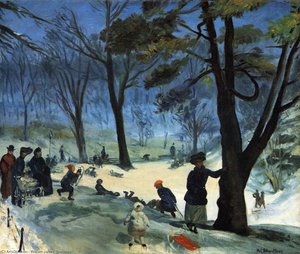
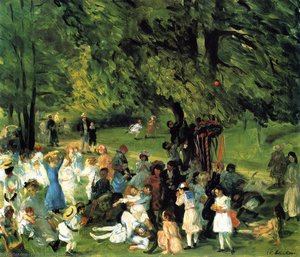
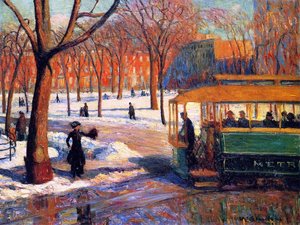
Кість Вільяма Джеймса Глаккенса вловлювала мінливі настрої міського пейзажу, переходячи від суворих і шорстких текстур вуличного життя до більш безтурботних, домашніх сцен. Його робота 1905 року, Центральний парк узимку, змальовує засніжену сцену в Нью-Йорку, де люди збираються на лавках або відпочивають на землі, у компанії собаки та далекого коня. Цей період його творчості часто був зосереджений на динаміці вулиць, що яскраво проявилося у картині Зелений вагон>, написаній у 1910 році. Такі полотна втілювали енергію стрімко змінюваного мегаполіса.
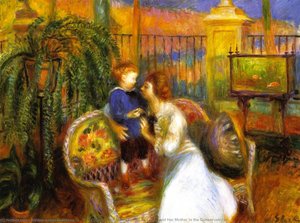
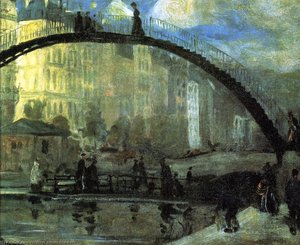
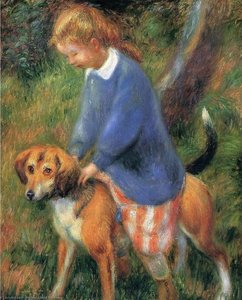
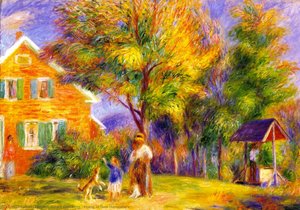
З еволюцією його стилю сюжети ставали більш інтимними та приватною. Створена у 1895 році картина Ла Віллет залишається вагомим зразком стилю нового реалізму, представляючи гамірну нічну міську вулицю, де під мостом проїжджає потяг. Згодом фокус художника змістився до тиші сімейного затишку та природи. У 1919 році він створив Дім у Нью-Гампширі — сцену з життя родини на задньому дворі, обрамлену великим деревом. До 1922 року його творчий репертуар доповнили такі портрети, як Ленна з кроликовою борзою, що зосереджені на особливому зв'язку між маленькою дівчинкою та її домашнім улюбленцем.
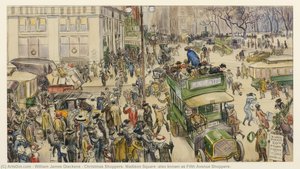
Його здатність виокремлювати саму суть міського буття, мабуть, найяскравіше проявляється у полотні Покупці, яке займає центральне місце у всьому його творчому спадку. Цей твір з надзвичайною точністю передає рух та характер міського життя, що і визначило його неоціненний внесок у американський реалізм.
- Ла Віллет (1895)
- Центральний парк узимку (1905)
- Зелений вагон (1910)
- Дім у Нью-Гампширі (1919)
- Ленна з кроликовою борзою (1922)
Спадщина та вплив
Вільям Джеймс Глаккенс допоміг визначити вектор розвитку американського реалізму, ставши одним із засновників школи Ашкан. Цей художній рух прагнув позбутися відшліфованого, ідеалізованого нальоту попередніх епох, натомість обираючи шлях документального відображення справжньої, непідробленної реальності міського життя. Спрямувавши погляд митця на сувору естетику та невпинний рух мегаполісу, він допоміг змістити фокус американського мистецтва в бік відчутного, живого досвіду сучасної епохи.
Його вплив вийшов далеко за межі полотен, торкнувшись самих основ американських мистецьких інституцій. Він відіграв ключову роль, допомагаючи Альберту К. Барнсу у придбанні європейських полотен — процесі, що заклав фундамент для формування ядра фонду Барнса у Філадельфії. Ця колекція згодом стала наріжним каменем американської історії мистецтва, забезпечивши визначним творам постійне місце у національній свідомості.
Де можна побачити його роботи сьогодні
Творча спадщина Вільяма Джеймса Глаккенса продовжує жити в публічному просторі, знаходячи відгук у кількох визначних колекціях по всьому Сполученим Штатам. У Нью-Йорку Метрополітен-музей зберігає його проникливе зображення Центрального парку взимку. Його глибоке занурення в міський пейзаж також представлене в Музеї мистецтв Карнегі в Сполучених Штатах, де експонується полотно «Ла Віллет».
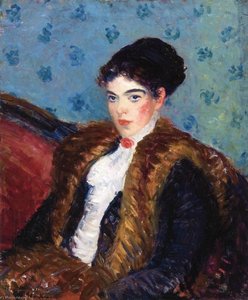
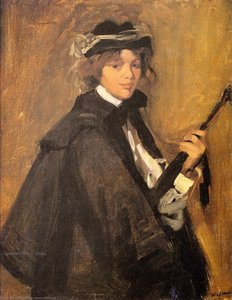
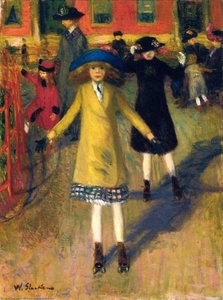
Музей мистецтв у Форт-Лодердейлі також представляє значну частину його творчості. Відвідувачі цього закладу можуть побачити «Дівчину в чорному плащі», а також «Ленну з кроликовою гончою». Ці роботи відображають ту неймовірну різноманітність сюжетів, якими він наповнював своє мистецтво протягом усього життя — від динамічних вуличних сцен до найтонших, інтимних портретів.
Для тих, хто прагне відчути його неповторонне бачення міського життя, полотно «Покупці» доступне у колекції нового реалізму на Mus3ums.com.
Запитання та відповіді
Під якими ще іменами відомий Вільям Джеймс Глаккенс?
Вільям Джеймс Глаккенс також відомий/відома під іменами В. Дж. Глаккенс, Вільям Глаккенс.
Де і в якому році народився/народилася Вільям Джеймс Глаккенс?
Вільям Джеймс Глаккенс народився/народилася в Філадельфія у 1870 році.
До якого історичного періоду належить творчість Вільям Джеймс Глаккенс?
Вільям Джеймс Глаккенс працював у період — Модерн. Цей період визначає місце творчості митця в історії.