


A Legacy Etched in Stone: Unveiling the Ashmolean’s Enduring Story
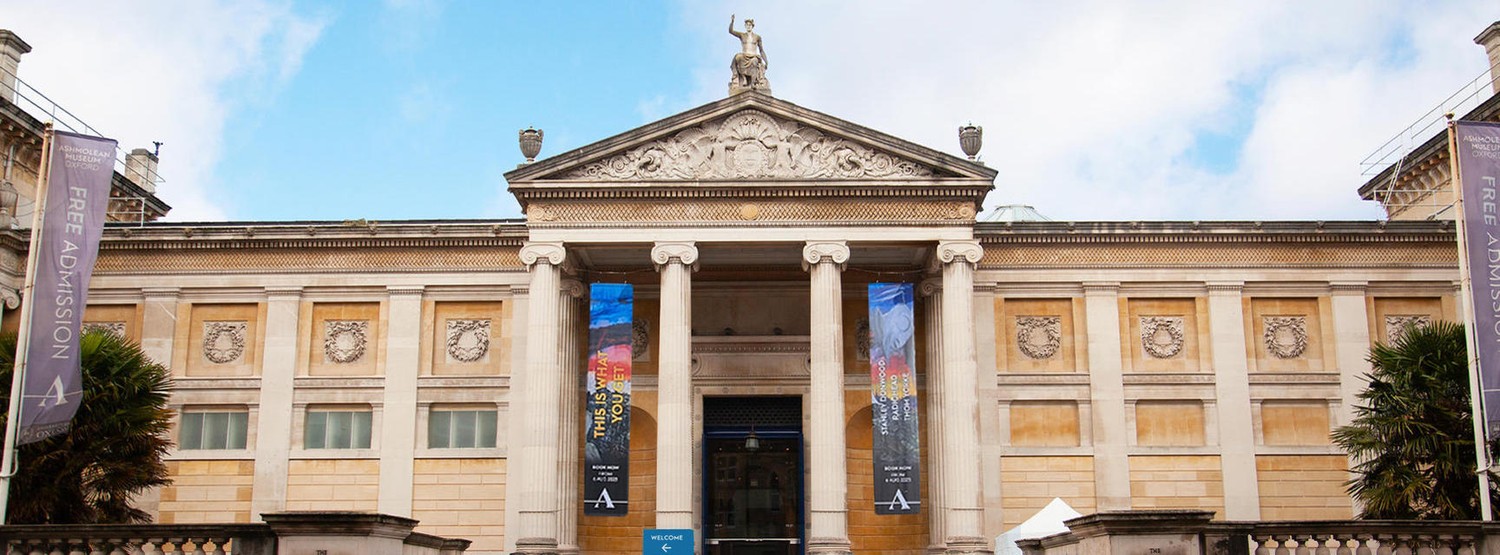
Nestled within the historic heart of Oxford, the Ashmolean Museum is more than just a repository of art and artifacts; it's a vibrant chronicle spanning millennia, a living testament to human curiosity. Founded in 1683 by Elias Ashmole – a wealthy eccentric and antiquarian with an insatiable thirst for beauty, knowledge, and the tangible echoes of vanished civilizations – the museum’s origins are rooted in a singular passion: the pursuit of understanding our shared past. From its humble beginnings as a private cabinet of curiosities, a carefully curated collection of wonders amassed over decades, to its current iteration as Britain's first public museum, the Ashmolean embodies an unwavering commitment to sharing the world’s treasures with all who seek them. The building itself, a harmonious blend of neoclassical grandeur and subtle Gothic detail – a testament to the architectural sensibilities of its time – whispers tales of scholarly pursuits, evolving tastes, and the enduring legacy of Oxford's renowned academic spirit.
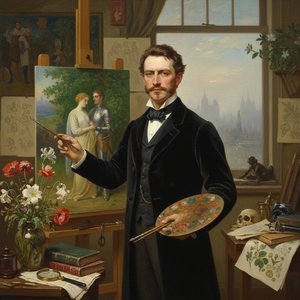
A Founder’s Vision: Elias Ashmole, a man fascinated by alchemy, natural history, and the enigmatic world of the occult, bequeathed his extraordinary collection to the University of Oxford. This initial assemblage – a breathtaking array of objects ranging from ancient Egyptian mummies radiating an aura of mystery and power, intricate weaponry hinting at bygone battles, rare manuscripts filled with forgotten lore, and exotic specimens representing the far reaches of the globe – formed the bedrock upon which the museum was built. It wasn’t merely a collection; it was a declaration of Ashmole's belief in the interconnectedness of knowledge and beauty, a conviction that shaped the museum’s very purpose from its inception. The sheer diversity of these early acquisitions speaks volumes about Ashmole’s discerning eye and his dedication to preserving fragments of human experience across time and cultures.
Architectural Harmony: The original building, designed by the esteemed Charles Cockerell, is a masterpiece of neoclassical design, meticulously integrated with the adjacent Taylor Institution. This deliberate pairing creates a visual dialogue – a conversation between scholarly purpose and aesthetic grace. The subtle Gothic Revival elements that adorn the façade above St Giles’ Street—arched windows, delicate tracery, and soaring spires—add a layer of romanticism, subtly hinting at Oxford's rich artistic heritage and connecting the museum to its storied past. It’s a building that breathes history, inviting visitors to step back in time and contemplate the generations who have walked these halls before them. The careful consideration given to light and space within the structure reflects the Enlightenment ideals of clarity, reason, and accessibility – principles central to both academic pursuits and the appreciation of beauty.
Treasures Across Time: A Kaleidoscope of Human Creativity
Stepping into the Ashmolean is akin to embarking on a journey through time, traversing continents and epochs with each carefully curated exhibit. The museum’s collection is remarkably diverse, offering glimpses into the artistic achievements and cultural beliefs of civilizations past and present. At its heart lies an extraordinary array of treasures – objects that speak volumes about human ingenuity, faith, and aesthetic sensibility. The Egyptian galleries are undoubtedly a highlight, housing a breathtaking collection of mummies, sarcophagi, and funerary artifacts that provide unparalleled insights into ancient Egyptian rituals and beliefs surrounding death and the afterlife. These aren’t simply preserved remains; they're windows into a complex worldview, revealing the Egyptians’ profound understanding of mortality, their elaborate preparations for eternity, and their unwavering belief in the continuity of life beyond the grave.
Beyond Egypt, the museum boasts an impressive collection spanning centuries and continents. The Pre-Raphaelite paintings – works by Dante Gabriel Rossetti, John Everett Millais, and William Holman Hunt – capture the Romantic spirit and idealized beauty so characteristic of Victorian aesthetics. These vibrant canvases, with their lush colors, meticulous detail, and evocative narratives, transport viewers to a world of myth, legend, and poetic longing. The classical sculpture collection offers a powerful connection to the artistic ideals of Greece and Rome, showcasing figures from mythology, history, and daily life – reminders of enduring human values and aspirations. From intricately carved marble statues to delicate bronze figurines, these works embody a timeless pursuit of beauty and perfection.
Beyond the Masterpieces: A Living Museum in Action
The Ashmolean is not merely a static display of historical artifacts; it’s a dynamic institution committed to engaging with its audience and fostering a deeper appreciation for art and culture. Free admission ensures that these treasures are accessible to all, while thoughtfully curated exhibitions spark curiosity and encourage intellectual dialogue. The museum continues to evolve, embracing new technologies and collaborative partnerships to ensure its legacy resonates with future generations. Recent initiatives, such as the University Engagement Programme, which integrates the museum’s collections into Oxford University's teaching and research programs, further cement its role as a vital center for learning and scholarship.
Contemporary Exhibitions: The Ashmolean regularly hosts temporary exhibitions showcasing both established and emerging artists, offering fresh perspectives on art history and contemporary creative practices. These dynamic displays invite visitors to engage with new ideas and challenge their preconceptions about the world of art. Educational Programs: A wide range of educational programs – from family workshops designed to ignite a passion for art in young minds to scholarly lectures catering to experts – promote engagement with the museum’s collections. Digital Innovation: The Ashmolean embraces digital technologies, offering virtual tours, interactive exhibits, and online resources that extend its reach beyond the physical walls of the museum, making its treasures accessible to audiences around the globe.
A Unique Architectural Gem & Historical Significance
The Ashmolean’s architectural significance extends far beyond its role as a museum. The building itself is a remarkable example of neoclassical design, seamlessly integrated with the Taylor Institution to create a harmonious whole. Originally constructed between 1841 and 1845 by Charles Cockerell, it reflects the values of the Enlightenment – prioritizing light, space, and accessibility. The subtle Gothic Revival detailing above St Giles’ Street adds a layer of romanticism, hinting at Oxford's rich artistic heritage. Furthermore, the museum occupies a site steeped in history, having been founded on the grounds of Elias Ashmole’s former residence, adding to its unique character and historical resonance. The adjacent Museum of the History of Science, housed within the Old Ashmolean Building, further underscores Oxford’s long-standing commitment to scientific inquiry and intellectual exploration – a testament to the city's enduring legacy as a center for learning and innovation.