

A Living Tapestry: The White House as American Narrative
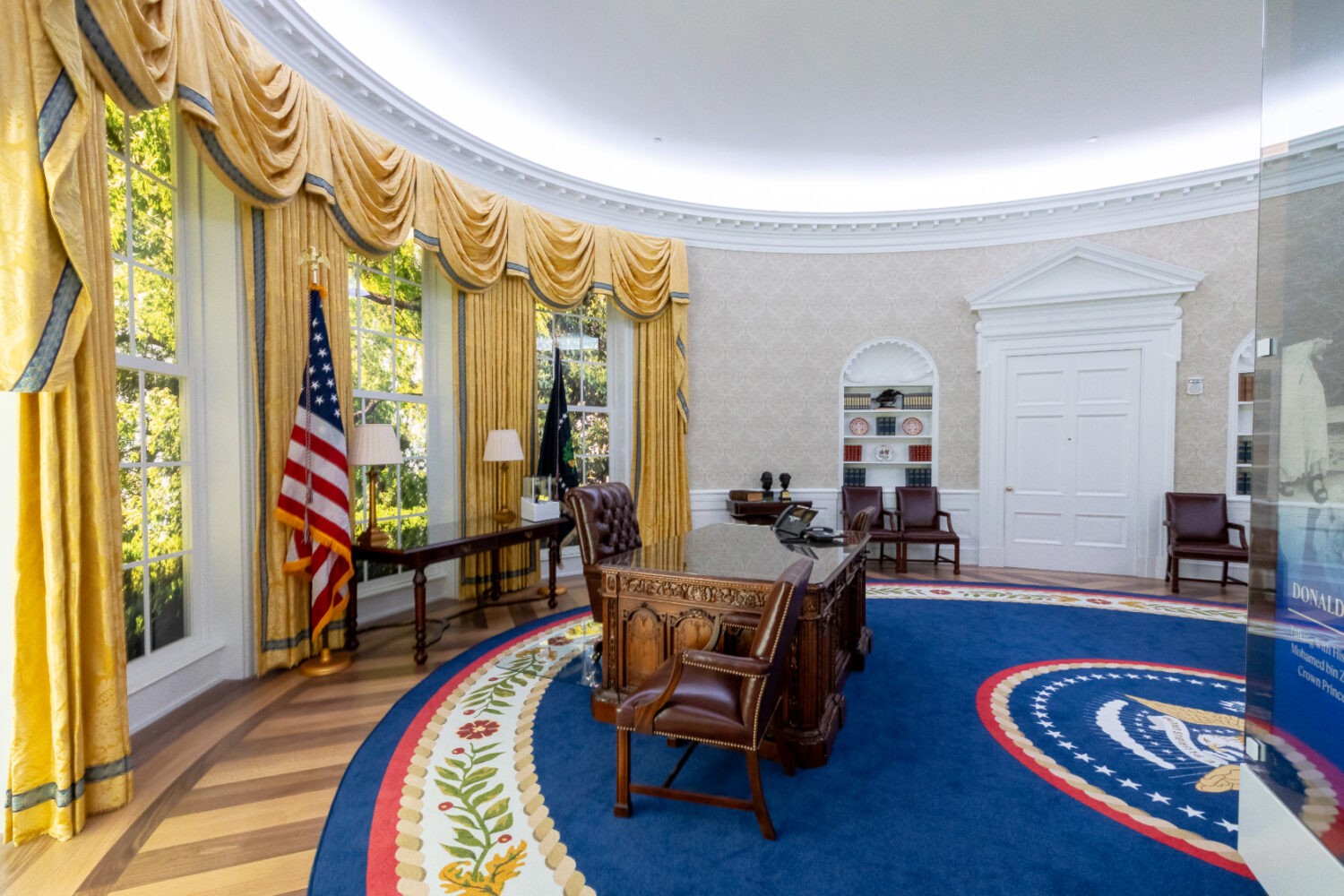
Stepping through the doors of The White House isn’t merely entering a building; it's embarking on an immersive journey through the very heart of America. More than just a residence, this iconic structure stands as a palimpsest – etched with centuries of stories, triumphs, and transformations, reflecting the evolution of a nation and the leadership that has shaped its destiny. From its classical roots to its modern adaptations, The White House offers an unparalleled opportunity to witness the intimate details that weave together our collective identity, revealing the quiet dignity and weighty responsibility borne by each occupant within its storied walls. It’s a place where history isn't confined to textbooks but breathes in the very air you inhale, a testament to the enduring spirit of American ideals.
The Genesis of a Symbol: Architecture and Early Vision
The story of The White House begins with Irish architect James Hoban, whose design, deeply influenced by Leinster House in Dublin, established a foundation of symmetry and proportion – a deliberate echo of the democratic spirit burgeoning within the newly formed republic. Constructed between 1792 and 1800, this grand structure was conceived as more than just a seat of power; it was intended to embody the virtues of republicanism and enlightened governance. The initial vision wasn’t solely aesthetic; Hoban meticulously incorporated elements from ancient Greece and Rome – symbols of civic virtue and rational leadership – into the building's very fabric. The exterior walls, crafted from Aquia Creek sandstone and painted a pristine white, weren’t simply a practical choice to protect against weathering; they represented purity, honesty, and the foundational principles upon which the nation was built. This deliberate selection speaks volumes about the architects’ understanding of symbolism and its power to shape national identity.
Architectural Echoes: A Dynamic Evolution
The White House's architectural narrative isn’t static; it’s a dynamic, evolving story of adaptation and expansion. Thomas Jefferson’s influence proved transformative, initiating a significant shift with the addition of low colonnades on each wing – a bold statement designed to conceal the stables and storage spaces that were initially incorporated into the design. This subtle yet crucial alteration reflected a growing awareness of the need for greater functionality within the executive branch. Later additions, notably the West Wing and East Wing conceived by George Willis Hunt and Jules Guadet respectively, expanded the scope of the executive branch while maintaining the building’s core aesthetic principles. The rebuilding after the War of 1812, incorporating new materials and techniques – including improved ventilation and lighting – solidified this legacy, reflecting the nation's burgeoning industrial prowess. The juxtaposition of classical elements with evolving architectural trends creates a fascinating dialogue across time—a visual representation of America’s own journey of growth and innovation. The careful consideration given to light, space, and ventilation—elements often overlooked in earlier buildings—demonstrates a shift towards a more modern approach to design, anticipating the needs of an increasingly complex government.
A Portrait Gallery of Character: Presidential Legacy
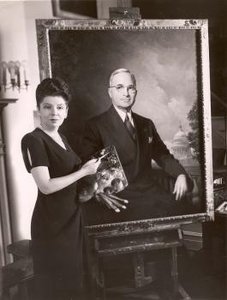
Within The White House’s walls resides a remarkable collection of presidential portraits – more than just likenesses; they are meticulously crafted representations of leadership designed to capture not only physical appearance but also inner conviction and moral responsibility. Artists like John Christian Rauschner, whose wax portrait miniatures are treasured within the museum's walls alongside pieces from The Metropolitan Museum of Art, employed techniques honed over decades to convey the essence of their subjects, reflecting a tradition of artistic commemoration rooted in the Enlightenment’s belief in reason and human dignity. Examining these portraits alongside historical documents illuminates the complexities of presidential decision-making and underscores the enduring importance of visual storytelling in shaping national narratives. Each portrait is a carefully constructed argument—a silent plea for understanding and remembrance, inviting viewers to contemplate the burdens and triumphs of those who have held the highest office in the land. The evolution of portraiture styles—from formal, idealized representations to more intimate and psychologically revealing studies—mirrors the changing values and priorities of American society over time.
Notable Exhibitions & Artistic Highlights
The museum experience within The White House transcends simple display; it’s an immersion into the intimate details that shape our collective identity. Current exhibitions often delve into specific presidential administrations, exploring their legacies through artifacts and interactive displays. A particularly noteworthy exhibit focuses on the artistic patronage of various presidents, showcasing paintings, sculptures, and decorative arts acquired for the White House collection – a testament to the evolving relationship between art and statecraft. The museum regularly hosts temporary exhibits highlighting American art and design, offering fresh perspectives on familiar themes. These exhibitions often explore the intersection of politics and aesthetics, examining how artistic choices reflect broader cultural trends and political ideologies. From early depictions of the American landscape to contemporary installations exploring social justice issues, these exhibits provide a dynamic and engaging lens through which to understand America’s rich artistic heritage. The museum also houses a significant collection of furniture, textiles, and decorative objects—each piece imbued with its own story and significance. The meticulous restoration of these items ensures that they are preserved for future generations, offering a tangible connection to the past.