
The Heart of Padua’s Renaissance: Unveiling the Scrovegni Chapel
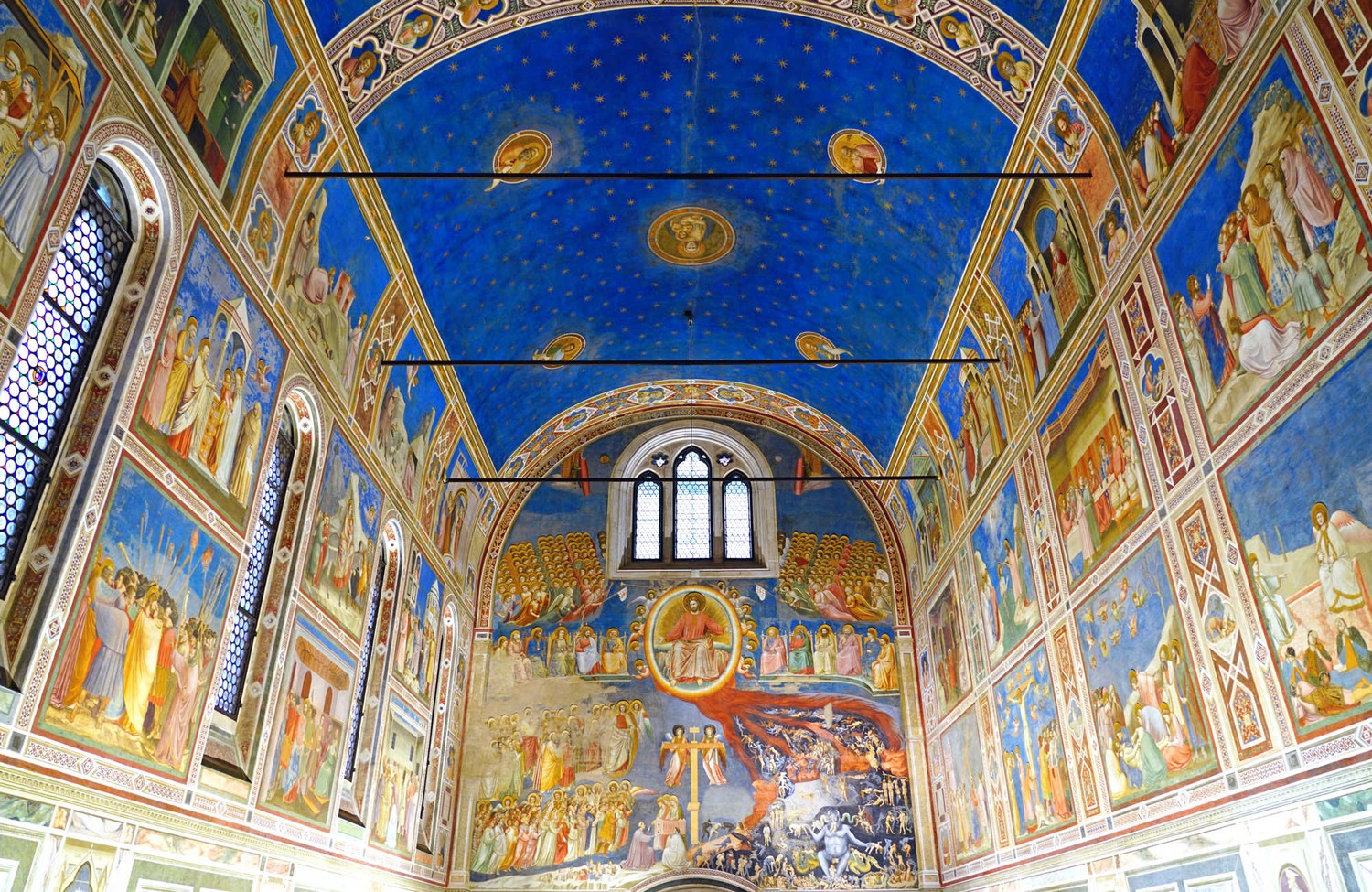
Nestled within the ancient walls of the Augustinian monastery in Padua, Italy, lies a space that transcends mere architecture – it's an immersive journey into the very soul of the Renaissance. The Cappella degli Scrovegni, or Scrovegni Chapel, is not simply a church; it’s a testament to visionary patronage, groundbreaking artistic innovation, and the enduring power of faith expressed through color and form. Stepping inside is akin to entering a sacred realm where time seems to subtly shift, inviting contemplation and revealing layers of meaning woven into every breathtaking brushstroke. The chapel's unassuming exterior – a modest Romanesque structure – belies the monumental spectacle within, a world created by Giotto di Bondone that fundamentally altered the course of Western art.
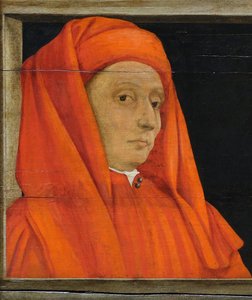
The story behind this extraordinary space begins with Enrico Scrovegni, a wealthy and deeply pious banker in 14th-century Padua. Driven by a profound desire to honor his family’s legacy and express his devotion, he commissioned Giotto – a Florentine artist whose revolutionary style was already challenging the established conventions of medieval painting – to transform an abandoned chapel into a visual narrative of salvation. Enrico's commitment extended far beyond mere funding; he insisted that the chapel remain closed to the public until its completion, a testament to his unwavering reverence for the artistic endeavor and a reflection of the profound spiritual significance he attributed to it. This meticulous oversight ensured that every detail – from the pigments used to the very composition of the frescoes – adhered to his exacting standards, resulting in a masterpiece of unparalleled beauty and emotional depth.
A Symphony of Frescoes: Giotto’s Revolutionary Vision
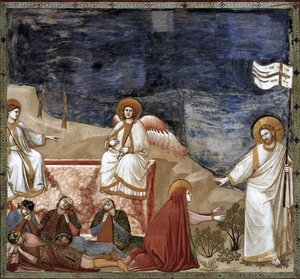
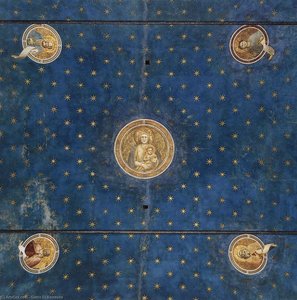
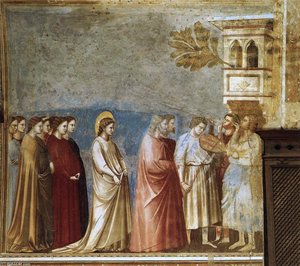
The heart of the Scrovegni Chapel lies within its vast cycle of frescoes, spanning over 1,200 square meters. These aren't merely depictions of biblical scenes; they are vibrant, emotionally charged narratives that capture the essence of human experience – joy, sorrow, faith, and doubt – with an unprecedented level of realism and psychological insight. Giotto’s genius lies not just in his technical skill but in his revolutionary approach to perspective, light, and color. He abandoned the flattened, stylized figures of Byzantine art, introducing a sense of depth and volume that anticipated the principles of Renaissance naturalism. The use of atmospheric perspective – muted tones for distant figures and brighter hues for those closer to the viewer – creates an illusion of space that draws the eye into the scene, while his masterful manipulation of light imbues the frescoes with a luminous quality.
Key scenes within this monumental cycle are particularly captivating. The “Last Judgment,” dominating the chapel’s rear wall, is a dramatic and emotionally intense depiction of Christ's return – angels ascending, demons descending, and figures caught in moments of terror and revelation. Equally compelling are scenes from the Annunciation, the Nativity, the Adoration of the Magi, and the Passion of Christ, each rendered with meticulous detail and imbued with a palpable sense of spirituality. Giotto’s ability to capture the human condition – the vulnerability, the hope, the struggle – is what truly sets these frescoes apart, making them resonate powerfully across the centuries.
Architectural Harmony: A Romanesque Foundation for Renaissance Art
The chapel's architectural design plays a crucial role in enhancing the impact of Giotto’s frescoes. Built in the Romanesque style by Arnolfo di Cambio, the structure itself is a testament to simple elegance and structural integrity. Its sturdy walls provide an ideal backdrop for the vibrant frescoes, allowing them to command attention without distraction. The chapel's interior features soaring arches, ribbed vaults, and delicate light streams that illuminate the scenes within, creating a sense of both grandeur and intimacy. The careful balance between architecture and art underscores the holistic vision of Enrico Scrovegni – a desire not just to create a beautiful space but a profound spiritual experience.
A Legacy Preserved: Exhibitions and Ongoing Research
The Scrovegni Chapel has been the subject of extensive scholarly study and numerous exhibitions, attracting art lovers from around the world. In 2015, a major retrospective at the Metropolitan Museum of Art in New York explored Giotto’s life and work, highlighting the chapel as a pivotal moment in art history. The museum regularly hosts temporary exhibitions that delve deeper into specific aspects of the frescoes, offering new insights into Giotto's techniques, his artistic influences, and the historical context of his masterpiece. Scientists continue to employ advanced imaging technologies – ultraviolet monitoring, digital photography – to analyze the pigments used by Giotto, revealing their chemical composition and understanding how they interact with each other over time, ensuring that this extraordinary legacy is preserved for future generations.
A Sanctuary of Faith and Art: A Unique Cultural Landmark
The Cappella degli Scrovegni transcends its role as a museum; it’s an experience. The sheer scale of the frescoes, combined with their emotional intensity and artistic brilliance, creates a truly immersive environment – a place where one can lose themselves in the stories of faith and humanity, reflecting on the timeless themes that resonate across centuries. It remains a powerful reminder of the transformative potential of art and the enduring legacy of a visionary patron who dared to dream of a chapel that would capture the very essence of the Renaissance.