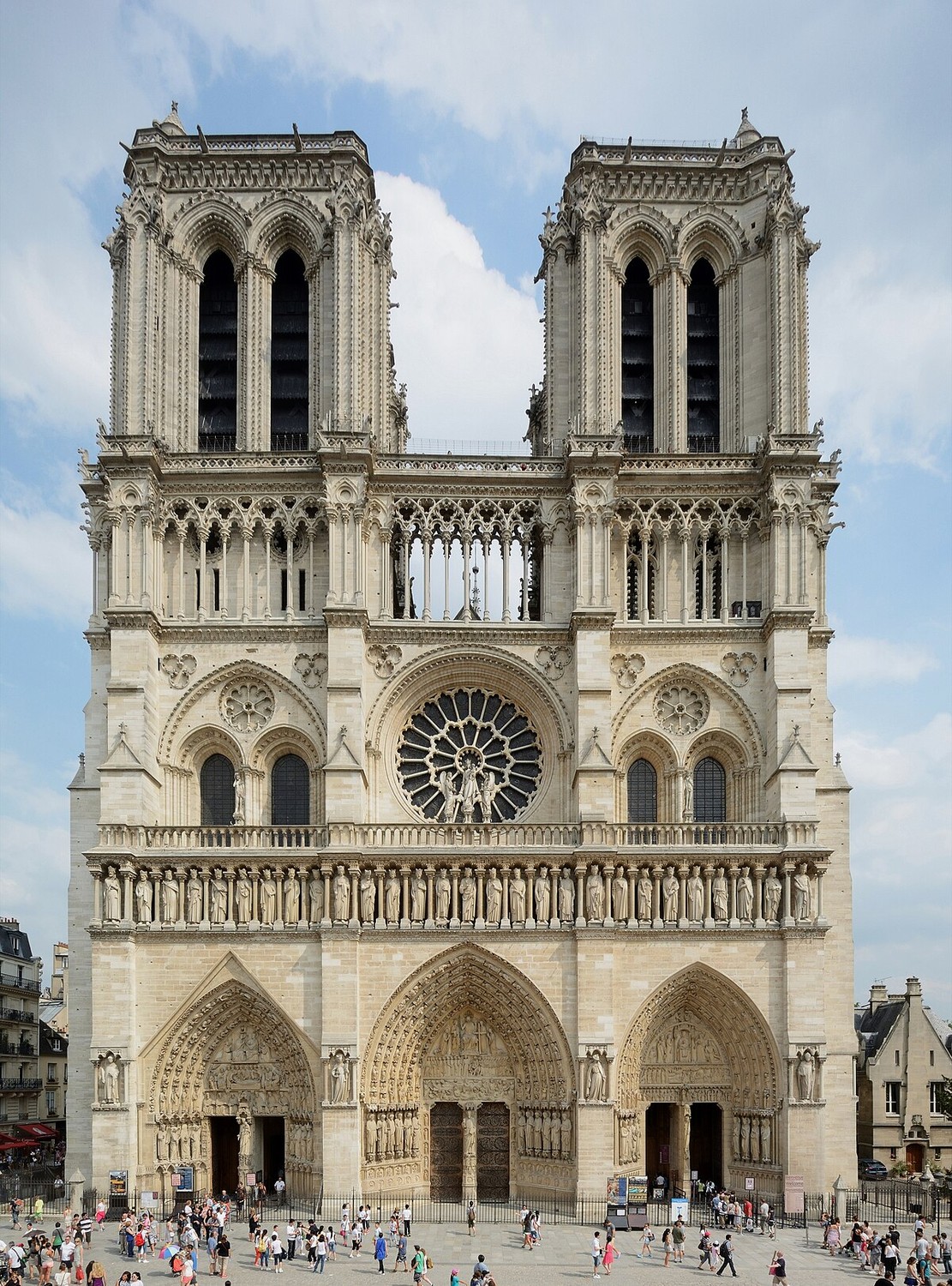




A Cathedral Transformed: The Enduring Legacy of Notre-Dame de Paris
The very name, Notre-Dame de Paris, resonates with centuries of history, faith, and artistic achievement—a testament to the enduring spirit of France itself. More than just a building, it’s an immersive chronicle etched in stone, stained glass, and whispered prayers. Rising majestically from the Île de la Cité, the cathedral's silhouette has dominated the Parisian skyline for nearly a thousand years, witnessing coronations, revolutions, and countless moments that have shaped the nation’s identity. Its story is one of breathtaking architectural innovation, profound symbolism, and, most recently, an extraordinary act of collective resilience. Originally conceived as a beacon of Gothic splendor in the 12th century under Bishop Maurice de Sully, Notre-Dame quickly transcended its initial purpose, becoming a symbol of Parisian pride and a cornerstone of French culture. The ambitious design—a radical departure from the heavier Romanesque styles prevalent at the time—sought to inspire awe and contemplation, achieving this through groundbreaking structural advancements like ribbed vaults and pointed arches, creating an unprecedented sense of verticality and light. The cathedral’s façade is a veritable tapestry of sculpted narratives, each figure – biblical heroes, saints, allegorical representations – serving as a visual sermon for generations of worshippers. The rose windows, particularly the south rose window, are masterpieces of stained glass artistry, their kaleidoscopic colors and intricate geometric patterns reflecting both divine beauty and human ingenuity. But Notre-Dame’s significance extends far beyond its physical form; it has served as an enduring muse for artists across the centuries, inspiring painters like Frederick Childe Hassam, who captured the cathedral bathed in golden light, and Charles Webster Hawthorne, documenting its appearance during the 19th century. The recent restoration efforts, meticulously replicating original materials and techniques, ensure that the reborn Notre-Dame faithfully embodies its historical legacy—a poignant reminder of craftsmanship, preservation, and the unwavering spirit of a nation.
Notre-Dame’s story is inextricably linked to the very heart of Paris. Built upon the site of an earlier Roman temple dedicated to Jupiter and a subsequent Christian basilica, it represents a continuous thread through the city's history—a testament to its enduring faith and artistic vitality. The cathedral’s construction spanned centuries, with significant additions and modifications reflecting evolving architectural styles and religious sensibilities. From the robust Romanesque foundations to the soaring Gothic heights, each layer of stone tells a story of adaptation, innovation, and unwavering devotion. The meticulous attention to detail in every carving, every archway, speaks volumes about the skill and dedication of the artisans who labored tirelessly to create this monumental masterpiece. The cathedral’s presence has profoundly shaped the character of Île de la Cité, transforming it into a vibrant center of spiritual life and artistic expression.
Key Architectural Features: A Symphony of Stone and Light
Notre-Dame Cathedral is an architectural marvel, showcasing a harmonious blend of Romanesque and Gothic styles. Its most striking features include the towering ribbed vaults that create a sense of soaring height and ethereal light—a revolutionary innovation for its time. The pointed arches, another hallmark of Gothic architecture, distribute weight efficiently, allowing for greater structural freedom and expansive windows. The cathedral’s façade is adorned with an intricate array of sculptures depicting biblical scenes, saints, and allegorical figures, each meticulously crafted to convey religious narratives and moral lessons. The magnificent rose windows, particularly the south rose window, are breathtaking displays of stained glass artistry—a kaleidoscope of color and light that transforms the interior space into a vibrant sanctuary. The cathedral’s exterior is further enhanced by its imposing gargoyles—grotesque figures carved from stone, serving as both decorative elements and functional drain spouts. These whimsical sculptures add a touch of playful charm to the otherwise solemn grandeur of the building.
Historical Significance: A Witness to Centuries of Change
Notre-Dame Cathedral has witnessed countless pivotal moments in French history—from royal coronations and presidential funerals to revolutionary uprisings and national celebrations. It served as the coronation site for kings Louis VII, Philip II, Charles IV, Charles IX, Henry III, Henry IV, Louis XIII, Louis XIV, and Louis XV, symbolizing the continuity of the monarchy and the enduring power of the French crown. The cathedral also played a central role in the French Revolution, serving as a gathering place for revolutionaries and witnessing the storming of the Bastille. In more recent times, Notre-Dame has been the site of numerous national tragedies and triumphs—including the assassination of President Charles de Gaulle in 1962 and the devastating fire of April 2019. Despite these challenges, the cathedral’s spirit remains unbroken, a symbol of resilience and hope for the future.
Artistic Inspiration: A Muse for Generations
Notre-Dame Cathedral has captivated artists across diverse mediums for centuries—inspiring painters, sculptors, musicians, and writers alike. The cathedral's majestic beauty, intricate details, and profound symbolism have served as a constant source of inspiration for generations of creative minds. Artists like Frederick Childe Hassam captured the cathedral bathed in golden light, while Charles Webster Hawthorne documented its appearance during the 19th century. The works of Philippe de Champaigne and Sébastien Bourdon, prominent figures of the French Baroque period, further enrich our understanding of the cathedral’s artistic context, showcasing its role as a backdrop for religious narratives and portraits of influential figures. The cathedral's enduring legacy continues to inspire artists today—a testament to its timeless beauty and profound cultural significance.
The Fire and the Global Response
April 15, 2019, marked a devastating turning point in Notre-Dame’s storied history—a day etched forever in the collective memory of France and the world. A catastrophic fire engulfed the cathedral's spire and roof, sending plumes of smoke billowing across Paris and igniting an outpouring of grief and determination. The event was not merely a loss of architectural grandeur; it represented the destruction of a tangible link to France’s past and a profound symbol of national identity. The immediate aftermath saw an unprecedented global effort—over €840 million pledged in donations from individuals, corporations, and governments worldwide—demonstrating the cathedral's enduring significance to humanity. The meticulous reconstruction process, initiated in 2020, prioritized replicating original materials and techniques, employing a team of skilled artisans who painstakingly restored damaged timber, recreated lost sculptures, and meticulously pieced together fragments of stained glass. The fire’s impact extended beyond the physical damage; it triggered an outpouring of emotion, with millions around the globe expressing their sorrow and offering support for the cathedral's restoration. The event also highlighted the importance of preserving cultural heritage and underscored the vulnerability of historical landmarks to disaster.


