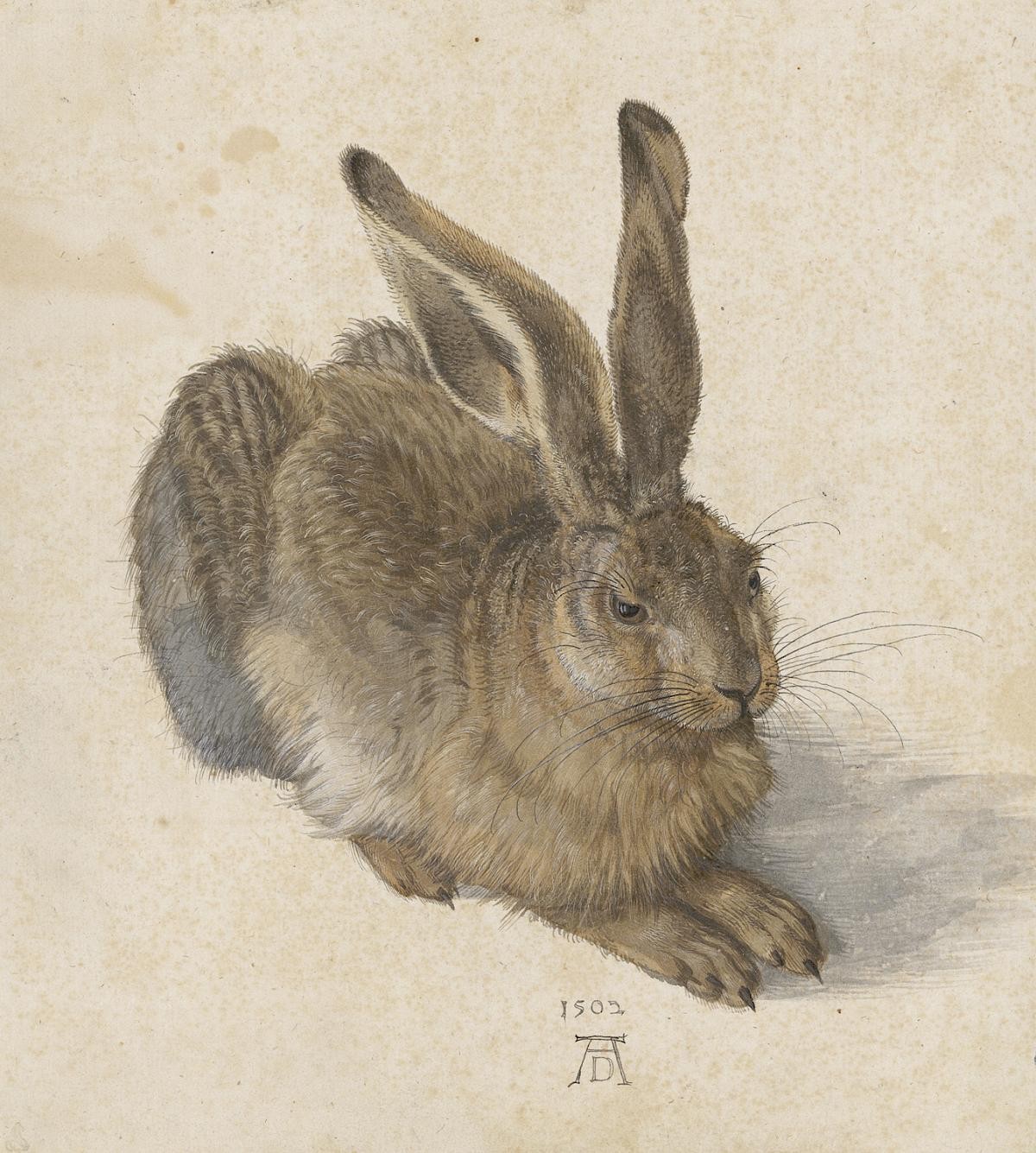




A Legacy Etched in Line: Exploring the Graphische Sammlung Albertina
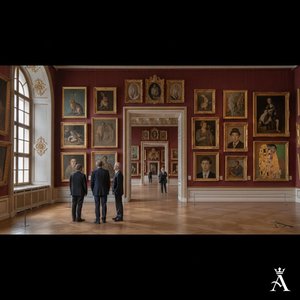
Nestled within the venerable walls of the Hofburg Palace in Vienna, Austria, the Graphische Sammlung Albertina is more than simply a museum; it’s a sanctuary dedicated to the drawn and printed image – a place where six centuries of artistic innovation unfold across paper. Founded in 1776 by Duke Albert of Saxony-Teschen, a man whose passion for art bordered on obsession, the Albertina began as a private haven, a testament to his discerning eye and an accumulation of unparalleled artistic treasures. Today, it stands as one of Europe’s foremost repositories, offering a profound journey through six centuries of evolution, artistry, and the very way we perceive and represent reality. The palace itself, with its rich history intertwined with the Habsburg dynasty, provides a fitting backdrop for this extraordinary collection – a tangible link to the past that elevates the experience beyond mere observation.
The Albertina’s story is inextricably linked to the legacy of its founders and successive generations who nurtured its growth. Initially conceived as a private collection by Duke Albert, it quickly gained renown for its exceptional quality and breadth, thanks in no small part to the assistance of Giacomo Durazzo, a Genoese count entrusted with assembling a remarkable array of drawings and prints. Over time, the museum expanded beyond a personal indulgence, transforming into a national asset when bequeathed to the Austrian state – a decision that underscored a commitment not only to broadening access but also to meticulous preservation and scholarly inquiry. The Albertina’s curators continue this tradition today, engaging in ongoing research programs and actively fostering collaboration with academic institutions, ensuring that the collection remains a vibrant center for artistic study.
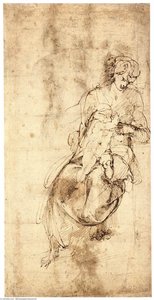
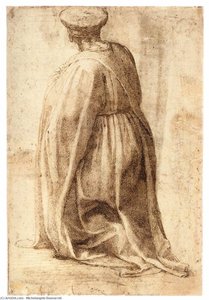
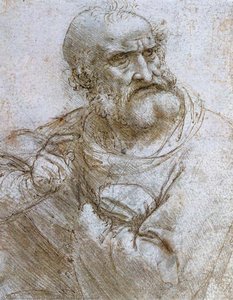
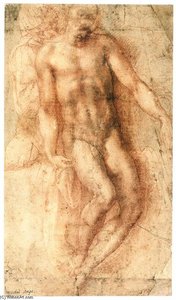
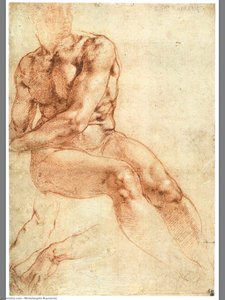
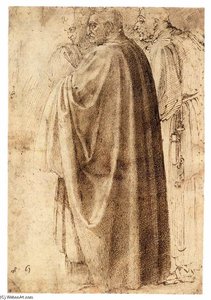
The heart of the Albertina lies within its staggering holdings – an estimated 65,000 drawings and over one million old master prints. These aren’t merely static displays; they represent a dynamic narrative of artistic development. A captivating journey begins with the medieval and Renaissance period, where delicate charcoal sketches reveal the painstaking process behind iconic masterpieces. The Baroque era is represented by breathtaking works from masters like Rembrandt and Michelangelo – their mastery of light, shadow, and composition evident in every stroke. However, it’s perhaps the museum's unparalleled collection of Albrecht Dürer’s engravings and woodcuts that truly sets it apart. These meticulously crafted images offer an unprecedented opportunity to study this pivotal artist’s oeuvre, from his groundbreaking use of perspective to his intricate depictions of nature. Dürer’s work isn’t just admired; it's dissected, analyzed, and understood in its entirety thanks to the Albertina’s comprehensive archive.
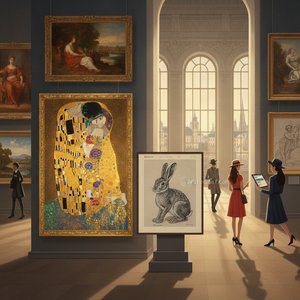
Beyond these foundational periods, the museum boasts significant holdings from the 19th and 20th centuries, reflecting the vibrant artistic currents that shaped Vienna. The influence of the Vienna Secession and Expressionist movements is powerfully evident, with iconic works by Klimt, Schiele, and Kokoschka vying for attention. These artists, deeply rooted in Austrian cultural identity, pushed boundaries and challenged conventions, leaving an indelible mark on the art world. The Albertina’s embrace of photography acknowledges its vital role in the evolution of visual culture, adding a fascinating dimension to the collection and demonstrating how images have shaped our understanding of the world. The museum's curators are constantly seeking new acquisitions, ensuring that the collection remains both historically significant and relevant to contemporary artistic discourse.
A Universe Within Lines: Collection Highlights
The sheer scale of the Albertina’s holdings is breathtaking – a testament to centuries of collecting and scholarship. Beyond the grand masters, one discovers a wealth of smaller works, sketches, and studies that offer invaluable insights into the creative process. The museum's collection isn’t simply about finished masterpieces; it’s about understanding *how* those masterpieces were created. You can trace the evolution of an idea from initial conception to final execution through these preparatory stages – a truly unique experience for any art enthusiast.
Notable highlights include Dürer's intricate woodcuts, showcasing his mastery of detail and perspective; Klimt’s shimmering “Judith I,” embodying the opulent beauty of the Art Nouveau movement; Schiele’s haunting portraits, capturing the anxieties and vulnerabilities of the human condition; and Picasso’s early prints, revealing the formative stages of a revolutionary artist. The museum also houses an extensive collection of satirical prints, offering a fascinating glimpse into the social and political landscape of various eras.
Architecture & Historical Context
The Albertina's location within the Hofburg Palace is itself a significant part of its story. Originally built as the Court Construction Office, it was later transformed by Duke Albert into his personal residence – a testament to his passion for art and architecture. The palace’s imposing façade and opulent interiors provide a stunning backdrop for the museum’s collection, creating an atmosphere of grandeur and historical significance. The building's evolution mirrors the growth of the Albertina itself, from a private collection to a public institution.
Throughout its history, the Albertina has played a crucial role in Austrian cultural life. It served as a repository for imperial collections, a center for artistic research, and a venue for important exhibitions. The museum’s commitment to preserving and promoting art continues today, making it a vital resource for scholars, artists, and visitors alike.
Exhibitions & Ongoing Research
The Graphische Sammlung Albertina is not merely a static archive; it's a dynamic hub of artistic activity. Regularly hosting temporary exhibitions that explore specific themes or artists, the museum offers fresh perspectives on its vast collection. These exhibitions often feature loans from other institutions around the world, bringing together diverse works and creating engaging experiences for visitors.
Furthermore, the Albertina’s curators are actively engaged in ongoing research programs, utilizing cutting-edge technology to analyze and document the collection. Digital resources, including high-resolution images and detailed descriptions, are made available online, expanding access to the museum's treasures for scholars and enthusiasts worldwide. The Albertina remains dedicated to preserving its legacy as a leading center for the study of drawings and prints – ensuring that future generations will continue to be inspired by its remarkable collection.