Holland Festival: A Beacon of Artistic Innovation
The Holland Festival stands as a testament to Dutch cultural resilience—a vibrant celebration born from the ashes of World War II. Established in 1947, it wasn’t merely about presenting performances; it was an audacious declaration that art could revitalize a nation grappling with rebuilding its identity. Located in Amsterdam, this annual event has become synonymous with groundbreaking creativity and international recognition for its daring programming. From its inception, the festival championed challenging work, quickly attracting audiences eager to experience new perspectives and push artistic boundaries.
### Early Years: Optimism and Reconnection Through Art
The initial vision of the Holland Festival was rooted in profound optimism—a fervent desire to reconnect with the wider world through the transformative power of artistic expression. Recognizing the importance of dialogue between cultures, organizers sought to showcase artists from diverse backgrounds, fostering understanding and broadening horizons. Landmark moments solidified the festival’s reputation for excellence included introducing Maria Callas to Dutch audiences, an unforgettable encounter that captivated viewers and cemented Amsterdam's position as a cultural crossroads. Furthermore, the ambitious symphonic tribute to Frank Zappa—a project hampered by previous attempts—demonstrated the Festival’s willingness to embrace unconventional musical landscapes.
### Expanding Horizons: From Theatre to Multimedia
Over time, the scope of the Holland Festival expanded beyond traditional performing arts, reflecting a growing appreciation for interdisciplinary collaboration. The introduction of initiatives like EarFuel, EyeFuel and MindFuel signaled a commitment to engaging audiences with multimedia installations, visual art exhibitions, film screenings, and architectural interventions—creating immersive experiences that transcended conventional boundaries. These additions underscored the festival’s belief in fostering dialogue between disciplines, encouraging artists to explore new mediums and perspectives.
### Iconic Venues: Amsterdam's Stage
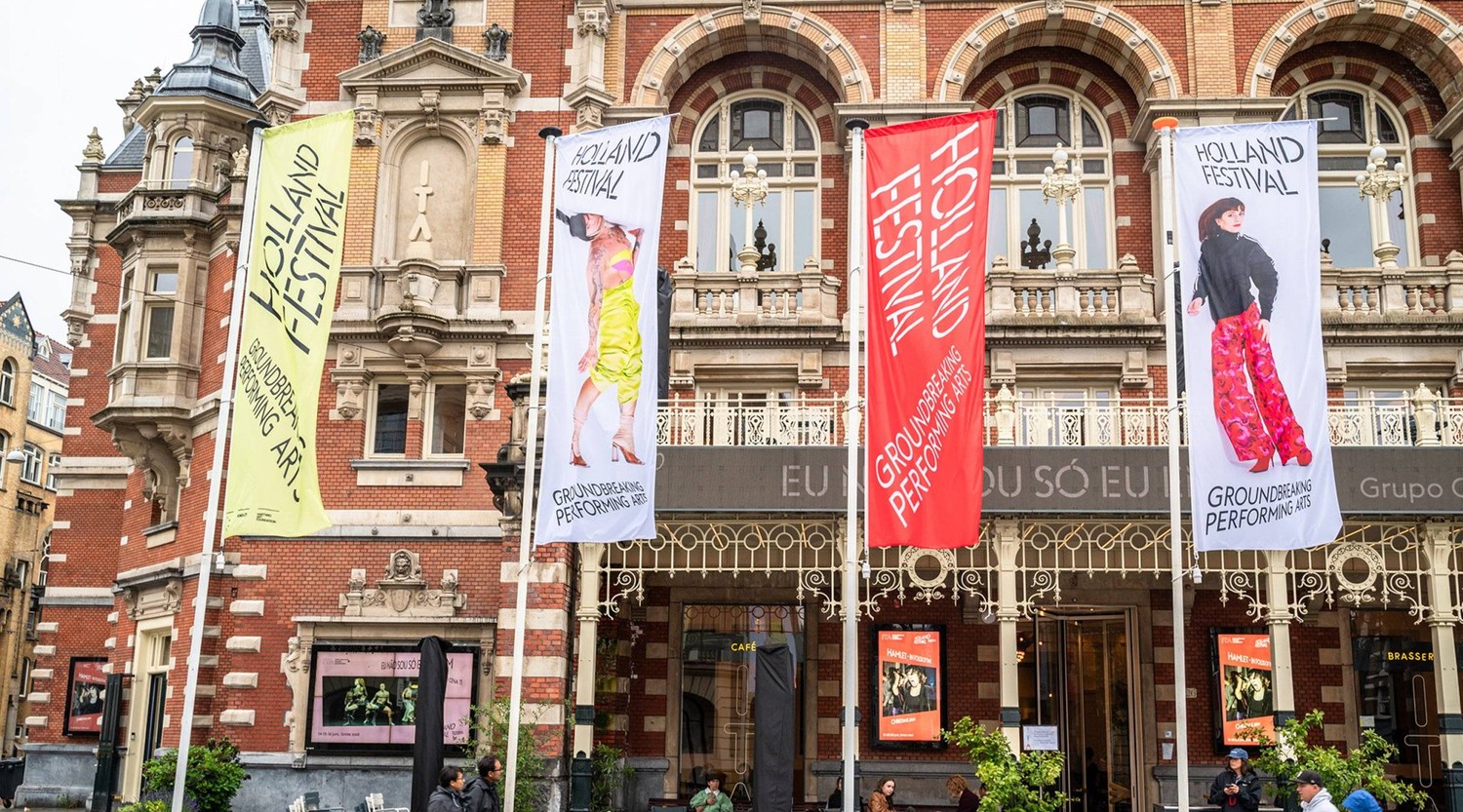
Amsterdam itself plays an integral role in shaping the Holland Festival experience. Performances unfold across a carefully selected array of venues—each contributing to the festival’s distinctive atmosphere. The grandeur of the City Theatre and Opera House provides a fitting backdrop for classic productions, resonating with tradition and elegance. Simultaneously, the Concertgebouw and Muziekgebouw concert halls pulsate with musical brilliance, showcasing virtuoso performances that captivate listeners. Notably, the Westergas factory site—a former industrial complex transformed into a contemporary cultural space—offers a more unconventional setting, blending historical charm with modern chic. This deliberate juxtaposition of spaces mirrors the festival’s ethos: a harmonious blend of heritage and innovation.
### Artistic Dialogue: Challenging Conventions
What distinguishes the Holland Festival is its unwavering dedication to artistic excellence and experimentation—a courageous embrace of risk-taking and a celebration of unconventional ideas. The festival doesn't shy away from presenting challenging works, recognizing that discomfort can be a catalyst for growth and fostering critical engagement among artists and audiences alike. This ethos extends beyond individual performances, shaping the overall atmosphere of the festival and encouraging conversations about art’s role in society—a legacy that continues to inspire creativity and promote cultural understanding. The Holland Festival isn't simply about witnessing art; it’s about immersing oneself in its transformative power—a journey into the heart of artistic innovation.