

Основна інформація

  • Location: Лос-Анджелес, Сполучені Штати Америки
  • Alternate names:
    • []
    • Getty Museum
  • Featured artists:
    • Сімон Вує
    • Orazio Gentileschi
    • Félix Nadar
    • Salvator Rosa
    • jean-étienne liotard
  • Works on APS: 15
  • Більше…
  • Mediums: акрил на полотні
  • Art types: настінне мистецтво
  • Movements: french baroque

Арт-вікторина

У кожному запитанні лише одна правильна відповідь.

Запитання 1:
Яке основне завдання музею Дж. Пола Гетті?
Запитання 2:
У якому місті розташований Центр Гетті?
Запитання 3:
Яка архітектурна структура найчастіше зустрічається у Віллі Гетті?
Запитання 4:
Яка з наступних тверджень найкраще описує зобов'язання музею щодо доступності?
Запитання 5:
Який архітектурний стиль найчастіше зустрічається в Центрі Гетті?

A Sanctuary of Art and Light: Exploring The J. Paul Getty Museum

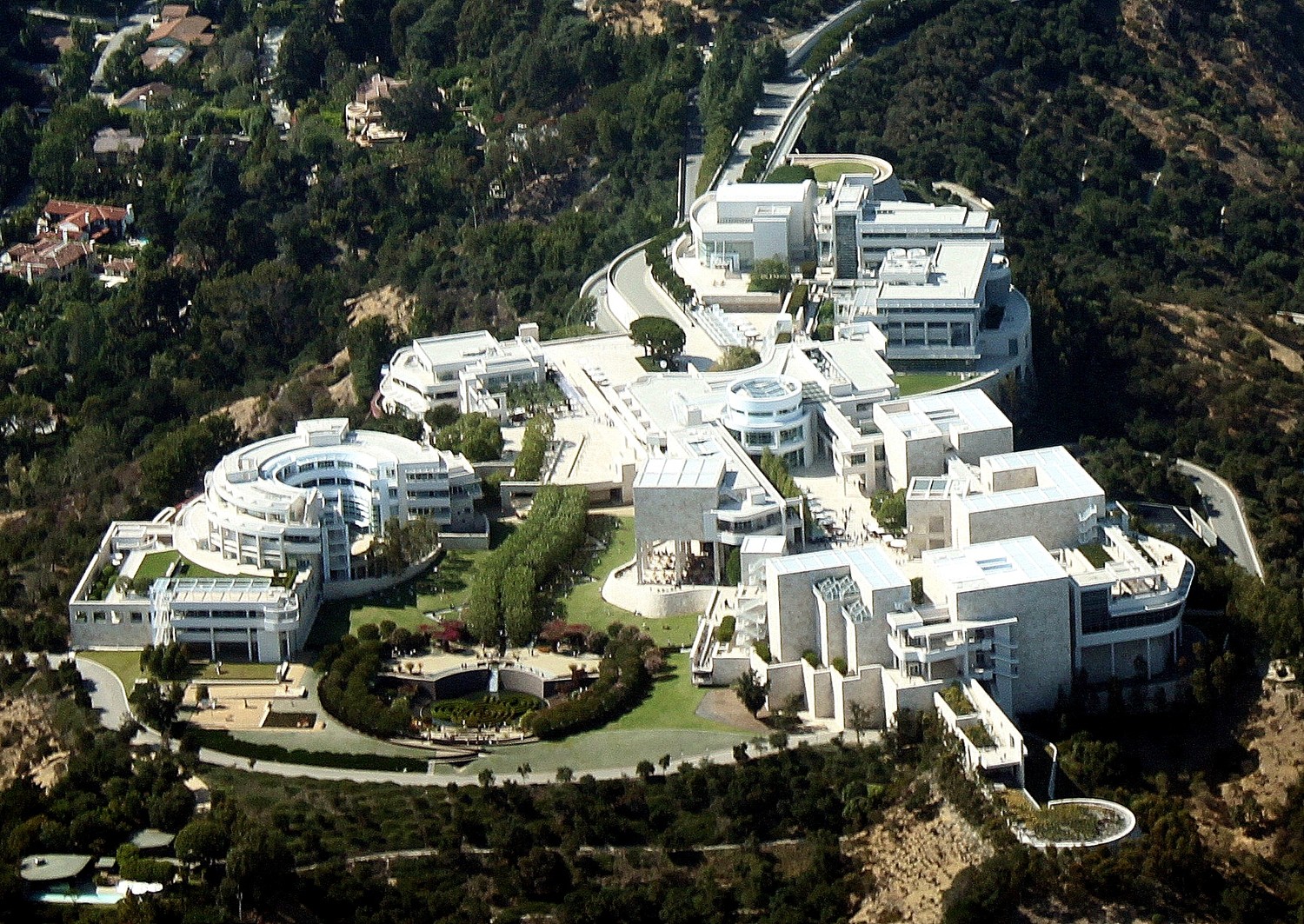
The J. Paul Getty Museum isn’t merely a grand collection housed within walls; it's an immersive experience, a testament to the enduring power of art and its ability to connect us across time and cultures. Founded on the visionary philanthropy of J. Paul Getty, a man captivated by beauty and driven to share it with the world, the museum has evolved into one of America’s – and indeed, the world's – most revered cultural institutions. Its story begins not just with a collection, but with a profound belief: that art should be accessible, inviting contemplation and sparking joy in all who encounter it. The museum’s dual existence—the Getty Center, perched dramatically high within the Santa Monica Mountains offering breathtaking panoramic views of Los Angeles, and the Getty Villa, nestled along the Pacific coastline, evoking a serene connection to ancient Mediterranean life—is a deliberate strategy, a carefully considered approach to presenting art within its historical context, fostering a deeper understanding of both the objects themselves and their origins. It’s a place where the echoes of Roman villas mingle with the vibrant hues of Impressionist masterpieces, creating an atmosphere that is both profoundly historic and strikingly contemporary.

The museum's core collection spans centuries and continents, encompassing European painting, sculpture, decorative arts, drawings, illuminated manuscripts, and photography. From the delicate brushstrokes of Rembrandt’s self-portraits – capturing not just likeness but a profound sense of introspection – to the sweeping landscapes of Monet, rendered in shimmering light and atmospheric haze, the museum offers a journey through artistic evolution. The breadth is astonishing: you'll find masterpieces by Botticelli, Titian, Raphael, Caravaggio, Van Gogh, and countless others, each telling a story of human creativity and experience. Beyond individual works, the collection reveals a remarkable narrative of patronage, trade routes, and cultural exchange, demonstrating how artistic styles and techniques traveled across vast distances, influencing and transforming one another along the way. The museum’s curators have meticulously assembled not just individual pieces, but entire narratives—a vibrant tapestry woven from threads of history, ambition, and artistic genius.

The Getty Center: A Modern Masterpiece

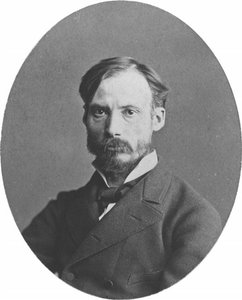
Ascending to the Getty Center reveals a dramatically different aesthetic. Designed by Richard Meier, the building is a striking example of modern architecture—a gleaming white travertine structure that seems to float amidst lush gardens. This architectural marvel serves as a stunning backdrop for an extraordinary collection of European art spanning from the Middle Ages through the present day. The gallery spaces are designed to maximize natural light, allowing the vibrant colors and intricate details of the artworks to truly shine. Here, you’ll encounter iconic masterpieces by Van Gogh – his swirling brushstrokes capturing emotion in every hue, particularly evident in works like “Sunflowers,” a testament to his ability to translate the fleeting beauty of nature onto canvas; Rembrandt's masterful use of light and shadow, exemplified in dramatic portraits that seem to peer directly into your soul; Monet’s impressionistic landscapes bathed in ethereal light, evoking the hazy warmth of a summer afternoon; and Renoir’s vibrant depictions of everyday life, such as “Dance at Le Moulin de la Galette,” capturing the joyous energy of Parisian social gatherings. These are not simply paintings; they are windows into the souls of artists who sought to capture the essence of human experience, rendered with unparalleled skill and emotional depth.

The museum’s commitment extends beyond static displays. The Getty Center regularly hosts thought-provoking exhibitions that delve into specific themes or artistic movements, offering fresh perspectives on familiar works and introducing visitors to lesser-known artists. Recent shows have explored the influence of Japanese art on European painting, the evolution of portraiture over centuries, and the role of photography in shaping our understanding of the world. These temporary exhibits are meticulously curated, often incorporating interactive elements and engaging programming that encourages dialogue and critical thinking. The museum’s educational programs are designed to inspire a lifelong appreciation for art, making it accessible to visitors of all ages and backgrounds.

The Getty Villa: Echoes of Antiquity

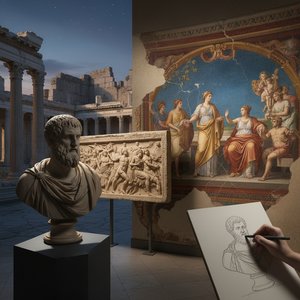
Stepping into the Getty Villa is akin to stepping back millennia. The design itself—a meticulously recreated homage to the Roman Villa of the Papyri at Herculaneum—immediately transports visitors. Within its walls, over 44,000 artifacts spanning from 6500 BC to 400 AD offer a remarkably intimate glimpse into the daily lives, religious beliefs, and artistic achievements of civilizations long past. The collection is not simply displayed; it’s integrated into an environment designed to mimic the original villa's purpose – a place for collecting knowledge, hosting gatherings, and celebrating beauty. Highlights include stunning bronze sculptures like the Victorious Youth, whose provenance has fueled centuries of scholarly debate, prompting us to consider the complexities of historical interpretation and ownership; intricate mosaics depicting scenes from mythology and daily life; and remarkably preserved frescoes that offer a vivid portrayal of Roman domestic interiors. The meticulously crafted gardens—a harmonious blend of Roman garden aesthetics with geometric patterns, fountains, and carefully chosen flora – further enhance this immersive experience, creating a space where whispers of history seem to linger in the air. The Villa’s layout, mirroring the original's, allows visitors to truly understand how these objects would have been experienced within their intended context.

The Getty Villa is more than just a museum; it’s a portal to the past. It’s a place where you can wander through recreated Roman rooms, marvel at the artistry of ancient civilizations, and contemplate the enduring legacy of human creativity. The meticulous attention to detail—from the authentic materials used in construction to the carefully selected artifacts—creates an unparalleled sense of immersion, transporting visitors back in time.

A Tapestry of European Art & Beyond

Beyond its architectural and historical significance, the Getty Museum boasts an unparalleled collection of European art, encompassing a vast range of periods and styles. From medieval illuminated manuscripts—testaments to the artistry and devotion of monastic scribes—to Baroque sculptures radiating with dramatic intensity, and Renaissance paintings brimming with humanist ideals, the museum’s holdings offer a comprehensive survey of Western artistic tradition. The collection includes works by masters such as Botticelli, Titian, Raphael, and Caravaggio, alongside lesser-known but equally compelling artists who contributed significantly to the evolution of European art. The museum's commitment to preserving and exhibiting these masterpieces ensures that future generations will have the opportunity to appreciate their beauty and significance. The collection also extends beyond Europe, showcasing significant works from Asia and the Americas, demonstrating the interconnectedness of artistic traditions across cultures. The Getty’s dedication to research and conservation is a testament to its long-term commitment to safeguarding our shared cultural heritage.

Beyond the Canvas: Innovation and Accessibility

What truly distinguishes the Getty Museum is its unwavering commitment to accessibility and innovation. Admission is free, a remarkably generous gesture that democratizes access to cultural heritage for all. The museum actively engages with audiences through diverse educational programs, live performances, and special exhibitions—designed not just to inform but also to inspire curiosity and foster appreciation. The “Getty Museum Challenge,” a global phenomenon inviting people to recreate famous artworks using everyday objects, is a testament to the museum’s ability to connect with audiences in creative and unexpected ways, demonstrating that art can be found everywhere. Furthermore, the Getty's digital presence—through its website, virtual tours, and social media channels—extends its reach far beyond the physical walls of the museums, making art accessible to anyone with an internet connection. The museum’s dedication to research and conservation ensures that these treasures are preserved for posterity, while its ongoing efforts to engage with contemporary audiences demonstrate a commitment to ensuring that art remains relevant and inspiring for generations to come.

Перелік творів мистецтва

Творів мистецтва не знайдено.

© 2026 mus3ums.com