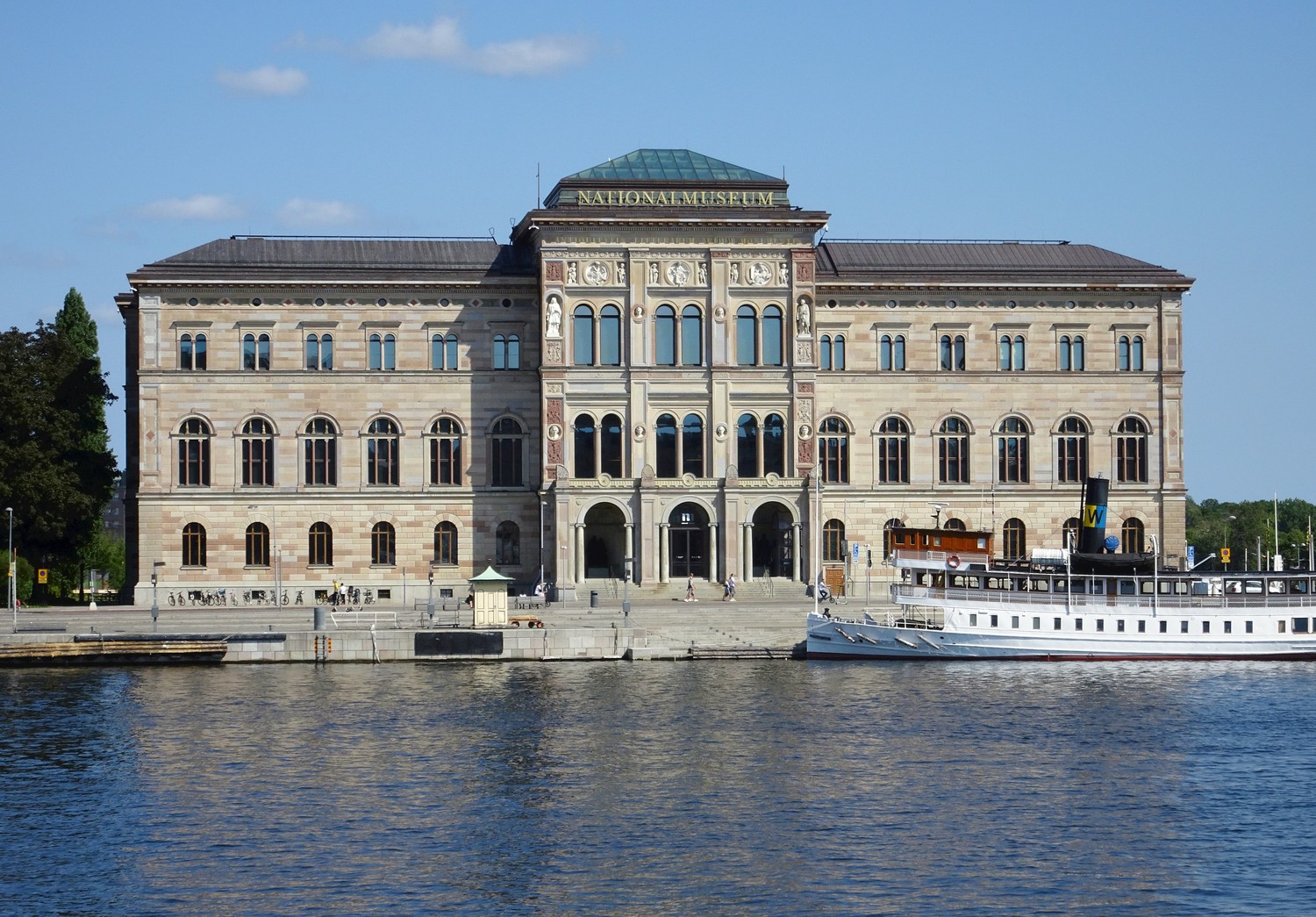




A Chronicle of Swedish Identity: Unveiling the Nationalmuseum
Nestled within Stockholm’s vibrant heart, on the serene Blasieholmen peninsula, lies the Nationalmuseum – a place far more than just a repository for art; it's a living chronicle of Sweden’s entire cultural journey. Established in 1792 as Kungliga Museet, the Royal Museum, its story is inextricably woven with the nation’s evolution, from the delicate artistry of medieval times and the patronage of aristocratic families to the bold embrace of contemporary expression that defines it today. Stepping through its grand doors is akin to embarking on an immersive exploration – a journey into the very soul of Sweden, where European artistic traditions intertwine seamlessly with uniquely Swedish sensibilities.
The museum’s architectural heart beats strongly within the building itself, a magnificent testament to Northern Italian Renaissance design conceived by the German architect Friedrich August Stüler. This deliberate choice, reflected in the restrained façade, belies an astonishingly spacious interior – a bold statement of ambition and a commitment to creating a truly democratic space for all Swedes. The dramatic flight of stairs, ascending towards the uppermost galleries, isn’t merely a functional element; it's a powerful symbol, representing an ascent into the realm of artistic contemplation, inviting visitors to pause and absorb the beauty surrounding them. This architectural narrative speaks volumes about the museum’s transformation – from its origins as a royal collection showcasing regal treasures to its current role as a vibrant public institution dedicated to the nation’s entire artistic heritage.
A Panorama of Artistic Voices
The Nationalmuseum's collection is an astonishing panorama, spanning centuries and encompassing a breathtaking diversity of artistic voices. The painting galleries offer a sweeping journey through time, beginning with the delicate religious scenes of the Renaissance – masterpieces that evoke a profound sense of faith and devotion, showcasing artists like Jan van Eyck and Rogier van der Weyden. As you move deeper, the collection culminates in the masterful chiaroscuro of Rembrandt, his dramatic use of light and shadow captivating viewers with its emotional intensity, alongside the emotionally charged canvases of Goya, whose works explore themes of war, suffering, and human resilience. Juxtaposed against these international luminaries are Swedish national treasures – pivotal works that define Swedish artistic heritage, including masterpieces by Carl Larsson, Anders Zorn, and Ernst Josephson.
Beyond the European giants, the museum champions Swedish artists across various periods and movements. The landscapes of Albert Rydberg capture the raw beauty of Sweden’s wilderness, while the poignant portraits of Carl Larsson offer intimate glimpses into Swedish family life. The sculpture section is equally impressive, featuring classical pieces alongside more experimental forms reflecting evolving artistic sensibilities – a testament to Sweden's engagement with both established traditions and innovative approaches. And within the applied arts and design collection, visitors can trace the evolution of Swedish aesthetic ideals through meticulously crafted furniture embodying functional beauty and understated elegance, ceramics imbued with symbolic meaning, and textiles woven with intricate patterns, revealing how artistry seamlessly blended with practicality throughout history.
A Living Museum: Exhibitions and Engagement
The Nationalmuseum isn’t merely a static display of masterpieces; it's a dynamic cultural hub actively engaging with contemporary issues. Recent exhibitions have demonstrated this commitment to dialogue and reflection – most notably, “Hanna Hirsch Pauli – The Art of Being Free,” an exploration of artistic expression as a tool for confronting societal challenges. This exhibition, and others like it, highlight the museum’s dedication to fostering critical thinking and inspiring visitors to engage with art in new ways.
The museum consistently seeks to broaden access to art education, offering engaging programs for visitors of all ages – from family workshops that spark creativity in young minds to lectures and tours designed to deepen understanding. Furthermore, ongoing initiatives aim to connect diverse communities with cultural heritage, ensuring that the Nationalmuseum remains a vital force in shaping Sweden’s cultural landscape. The commitment to accessibility is evident in its free admission on Thursdays and for visitors under 20 – a gesture reflecting a deep-seated belief in the importance of art for all.
A Legacy Preserved, A Future Embraced
Ultimately, the Nationalmuseum distinguishes itself through its unwavering commitment to preserving Sweden’s artistic heritage while simultaneously embracing innovation. The architectural grandeur serves as a tangible connection to history, inviting visitors to contemplate the enduring power of art and design – a space for contemplation, discovery, and inspiration. The museum's ongoing renovation project, completed in 2018, has not only modernized its facilities but also reaffirmed its commitment to serving future generations of art lovers. With its rich collection, stunning architecture, and dynamic programming, the Nationalmuseum stands as a beacon of Swedish culture – a place where history comes alive and artistic expression continues to inspire.