Monasterio de El Escorial – A Monumental Testament
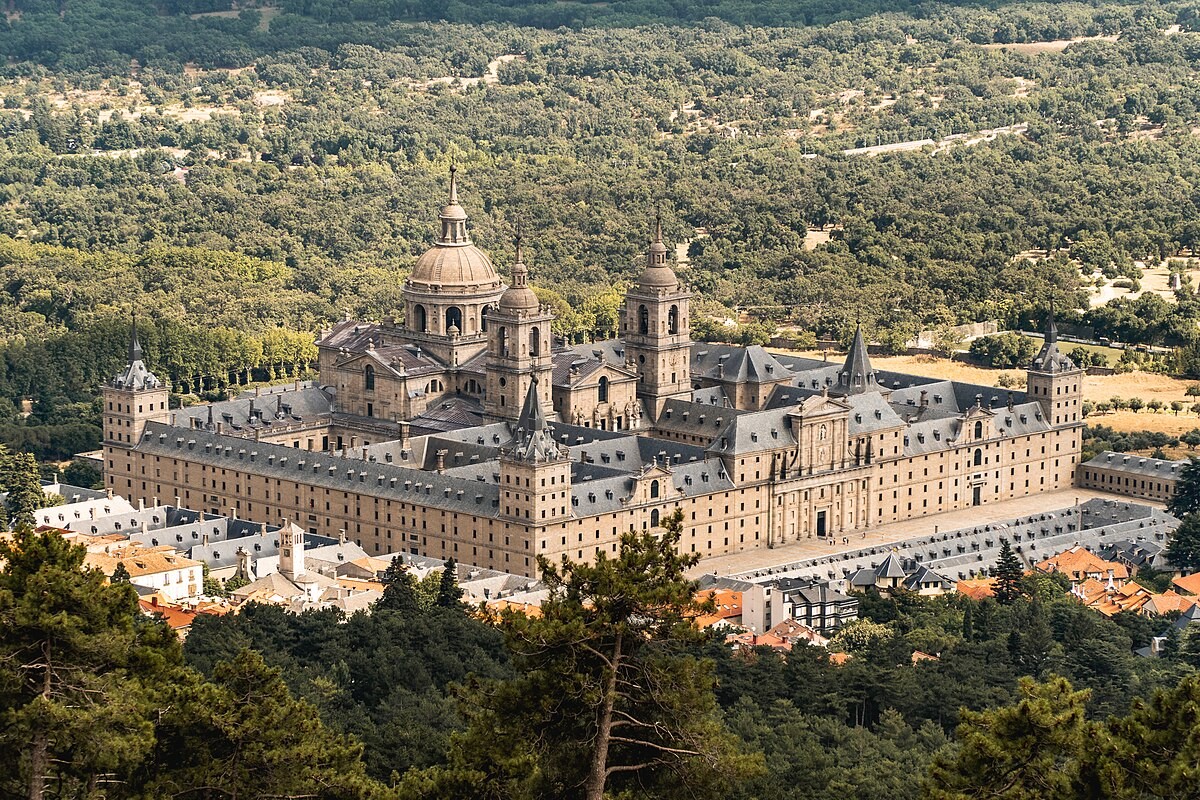
El Escorial stands as an unparalleled testament to the grandeur of Spanish Renaissance architecture and artistic patronage, a place where history breathes through every stone and fresco. Commissioned by King Philip II in 1563, this monumental complex transcends its role as royal palace and monastery; it embodies the very spirit of the Habsburg dynasty’s ambition to solidify Spain's position at the forefront of European power while simultaneously enshrining devout Catholic faith. Located nestled amongst the rugged slopes of Sierra de Guadarrama, overlooking Madrid with breathtaking vistas, El Escorial is more than just a building—it’s an experience that transports visitors back to the sixteenth century and invites contemplation on the intersection of art, religion, and political strategy.
-
Architectural Marvel:
Juan Bautista de Toledo's innovative Herrerian style – characterized by its geometric precision and granite construction – distinguishes El Escorial from other palaces of its time. The symmetrical layout reflects Renaissance ideals of order and rationality, creating a harmonious visual balance that speaks to the king’s desire for stability and grandeur.
-
A Tapestry of Art:
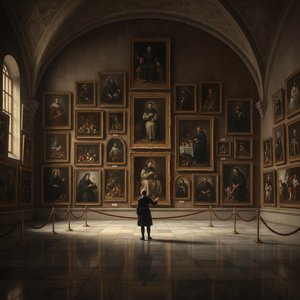
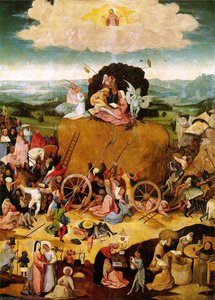
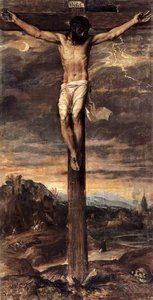
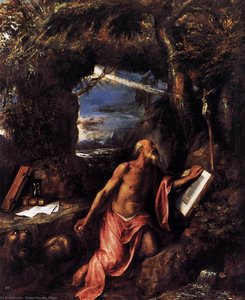
Within El Escorial's walls reside masterpieces amassed during Philip II’s reign, showcasing the talents of luminaries like El Greco, Luca Giordano, Claudio Coello, and Titian. The Basilica’s altarpieces are particularly striking, capturing the fervor of religious devotion and demonstrating the artistic prowess of the era.
-
The Biblioteca Real:
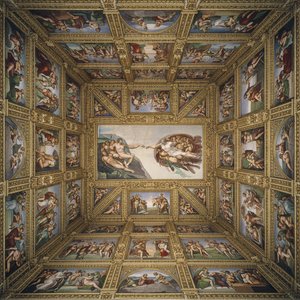
Arguably El Escorial's crowning achievement, Pellegrino Tibaldi’s vaulted ceiling depicts the seven liberal arts—a visual declaration of Philip II’s intellectual pursuits and his conviction that knowledge underpinned royal authority. The library houses an extraordinary collection of manuscripts and books from across Europe, reflecting Spain’s role as a center of learning during the Renaissance.
-
Symbolism & Legacy:
El Escorial's location—chosen deliberately to evoke solitude and strength—served as Philip II’s personal retreat and symbolizes his unwavering commitment to Catholicism and dynastic continuity. Today, it remains a UNESCO World Heritage Site, attracting visitors from around the globe who come to marvel at its architectural splendor and delve into Spain’s rich artistic heritage.
Exploring El Escorial's Artistic Treasures
The Basilica of El Escorial is undeniably the centerpiece of this magnificent complex, dominating the landscape with its imposing granite façade and soaring vaulted ceilings. Its interior walls are adorned with frescoes by Luca Giordano and Claudio Coello, depicting biblical scenes and royal portraits—a testament to Philip II’s patronage of the arts and his desire to elevate El Escorial as a symbol of spiritual piety. The altarpiece is dominated by sculptures crafted by Alessandro Ludovico Alemanni, reflecting the artistic sensibilities of the Baroque period.
-
El Greco's Influence:
Several paintings within El Escorial bear the unmistakable mark of El Greco—the artist’s profound connection with Philip II and his distinctive style characterized by elongated figures and dramatic lighting. These works convey a palpable sense of spiritual intensity, mirroring the Basilica’s atmosphere of solemn reverence.
-
Titian's Martyrdom:
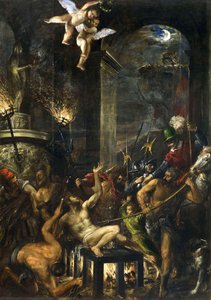
José de Ribera’s *Martyrdom of St Lawrence*, housed in the Royal Pantheon, exemplifies Baroque artistic dynamism with its vibrant colors and expressive movement—a masterful depiction of religious martyrdom that captures the emotional depth demanded by the Baroque aesthetic.
-
The Biblioteca Real's Ceiling:
Tibaldi’s celestial vault is a breathtaking spectacle—representing the seven liberal arts, theology, and philosophy—and serves as an enduring reminder of Philip II’s intellectual ambitions and El Escorial’s role as a beacon of learning during the Renaissance.
A Royal Residence & Spiritual Sanctuary
El Escorial functioned as Philip II's primary residence until 1586, reflecting his unwavering devotion to Catholicism and his conviction that royal authority rested upon moral virtue. The monastery itself was established with a community of Hieronymite monks—a deliberate choice intended to foster piety and scholarship alongside the king’s administrative duties. Today, El Escorial continues to serve as a Royal College, educating young scholars from across Spain, upholding its legacy as a bastion of intellectual tradition.
-
The Pantheon:
The Royal Pantheon houses the tombs of Charles V, Isabella of Portugal, Philip II, and his successors—a poignant reminder of Spain’s dynastic history and a testament to El Escorial's role as a sacred space dedicated to honoring the monarchs who shaped Spain’s destiny.
-
The Casita del Príncipe:
The Casita del Príncipe – commissioned by Philip IV – is a charming royal retreat nestled amidst landscaped gardens—a tranquil oasis offering visitors respite from the grandeur of El Escorial's monumental architecture and reflecting the humanist ideals prevalent during the Enlightenment.
UNESCO Recognition & Ongoing Preservation
El Escorial was declared a UNESCO World Heritage Site in 1984, recognizing its exceptional universal value as an architectural masterpiece and a symbol of Spanish Renaissance culture—a testament to Juan Bautista de Toledo’s visionary design and the enduring legacy of Philip II's reign. Efforts continue to safeguard El Escorial’s historic fabric and ensure that future generations can appreciate its splendor and contemplate its profound symbolism."