


A Chronicle of British Vision: Unveiling Tate Britain
Nestled along the gentle curve of the Thames in Millbank, Tate Britain isn’t merely a gallery; it's a living, breathing testament to the evolution of British art and identity. From its humble beginnings as a champion of homegrown talent to its current status as a globally recognized beacon of modern and contemporary expression, the museum’s story is inextricably woven into the very fabric of the nation’s journey through time. Founded in 1897 by the philanthropic Henry Tate – a man whose personal collection served as the gallery's foundational bedrock – Tate Britain embarked on an ambitious mission: to celebrate the breadth and depth of British artistic heritage. Initially focused on honoring the traditions of the Tudor and Victorian eras, presenting a comprehensive panorama of art produced within these formative centuries, the museum underwent a transformative shift in the 1930s. Driven by a desire to embrace the dynamism of modernism, it decisively moved beyond purely historical representation, establishing itself as a vital participant in the international dialogue surrounding artistic expression. Today, Tate Britain stands as a vibrant crossroads – a place where the echoes of masters past resonate alongside the bold visions of contemporary artists, offering visitors an unparalleled journey through centuries of creativity.
Architectural Layers: A Dialogue Between Tradition and Innovation
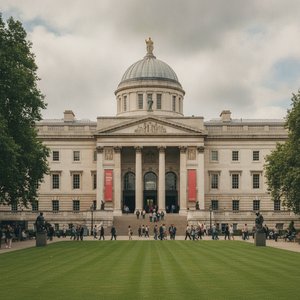
The building itself is a captivating narrative, a layered composition that speaks volumes about Tate Britain’s evolving identity. Sidney R. J. Smith’s original design, completed in 1897, immediately proclaimed an air of imperial ambition, mirroring Britain's dominant position on the European artistic stage. Its imposing columns, expansive porticos, and soaring ceilings were deliberately intended to convey prestige and importance – a grand statement of national pride. Yet, this classical façade is dramatically juxtaposed with James Stirling’s Clore Gallery (1987), a daring intervention that introduces unconventional materials and spatial arrangements. This isn't merely an addition; it’s a bold assertion of intellectual curiosity and artistic innovation, a deliberate provocation designed to challenge the museum’s established aesthetic. The purposeful contrast between these two architectural styles – the stately grandeur of the original design and the experimental spirit of Stirling’s intervention – speaks volumes about Tate Britain’s commitment to honoring tradition while simultaneously embracing the spirit of experimentation, creating a dynamic tension that enriches the visitor experience.
A Treasury of British Art: From Tudor Paneling to Contemporary Voices
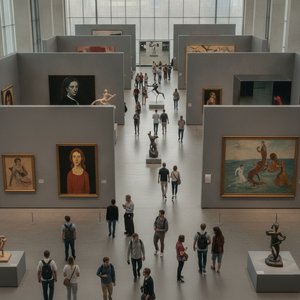
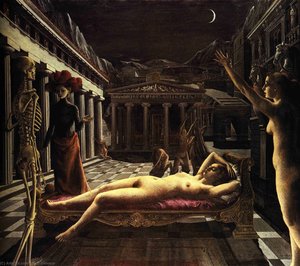
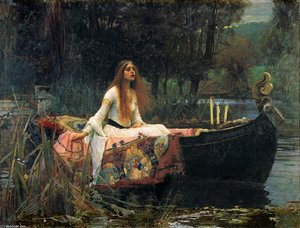
The museum's collection is nothing short of astonishing, encompassing over six centuries of British artistic expression. It’s a journey through time and style, beginning with the meticulously crafted panel paintings of the Tudor period – showcasing burgeoning confidence and a nascent sense of national identity. These early works, often depicting biblical scenes and royal portraits, reveal a growing ambition within British art. As the museum shifted its focus in the 20th century, the collection expanded to include the emotionally charged portraits of Francis Bacon, reflecting the anxieties and complexities of modern life. Key highlights abound: J.M.W. Turner’s breathtaking landscapes, capturing sublime beauty with his masterful use of light and color – works like “Snow Storm – Steamers on Red Wharf” that revolutionized landscape painting; the evocative Pre-Raphaelite paintings celebrating romanticism and mythology, brimming with symbolism and vibrant hues; and David Hockney's vibrant works reflecting post-war Britain’s dynamism. Beyond painting, the collection extends to encompass sculpture, prints, drawings, and decorative arts, providing a holistic understanding of British artistic culture – a rich tapestry woven from diverse threads.
Notable Exhibitions & Events: Celebrating Artistic Legacy
Tate Britain is intrinsically linked to the prestigious Turner Prize, a nationally recognized award celebrating outstanding achievement in contemporary British art. The gallery hosts the annual exhibition, providing a platform for emerging artists and generating critical discussion about the future of the art world. Beyond the Turner Prize, Tate Britain consistently presents a diverse range of special exhibitions exploring specific themes, movements, or artists – offering unique insights into British artistic history and contemporary practice. These events are carefully curated to engage audiences of all levels, from seasoned collectors to casual visitors. The museum also actively engages with its community through a wide array of public programs, including lectures, workshops, family activities, and guided tours, fostering a deeper appreciation for art and culture.
The Enduring Legacy of Turner: A Master’s Revolutionary Vision
Tate Britain's relationship with J.M.W. Turner is particularly profound, culminating in an unparalleled collection that stands as a cornerstone of the museum's identity. The gallery holds an astonishingly comprehensive selection of Turner’s work – including “Snow Storm – Steamers on Red Wharf,” a masterpiece that exemplifies his revolutionary approach to landscape painting. This iconic piece, and others within the collection, demonstrate Turner’s extraordinary ability to capture not just the visual appearance of a scene but also its emotional resonance. His innovative use of light, color, and brushstroke created a sense of movement and drama, forever altering the course of British art. The sheer volume and quality of Turner's works at Tate Britain make it an essential destination for any serious student or admirer of this pivotal figure in artistic history – a testament to his enduring influence and visionary genius.