

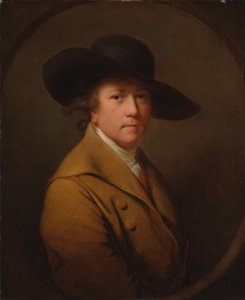
A Window into a Nation’s Soul: Exploring the Yale Center for British Art
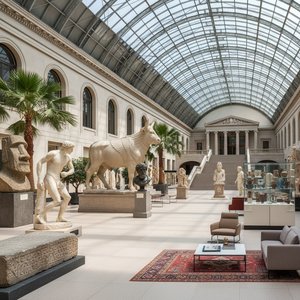
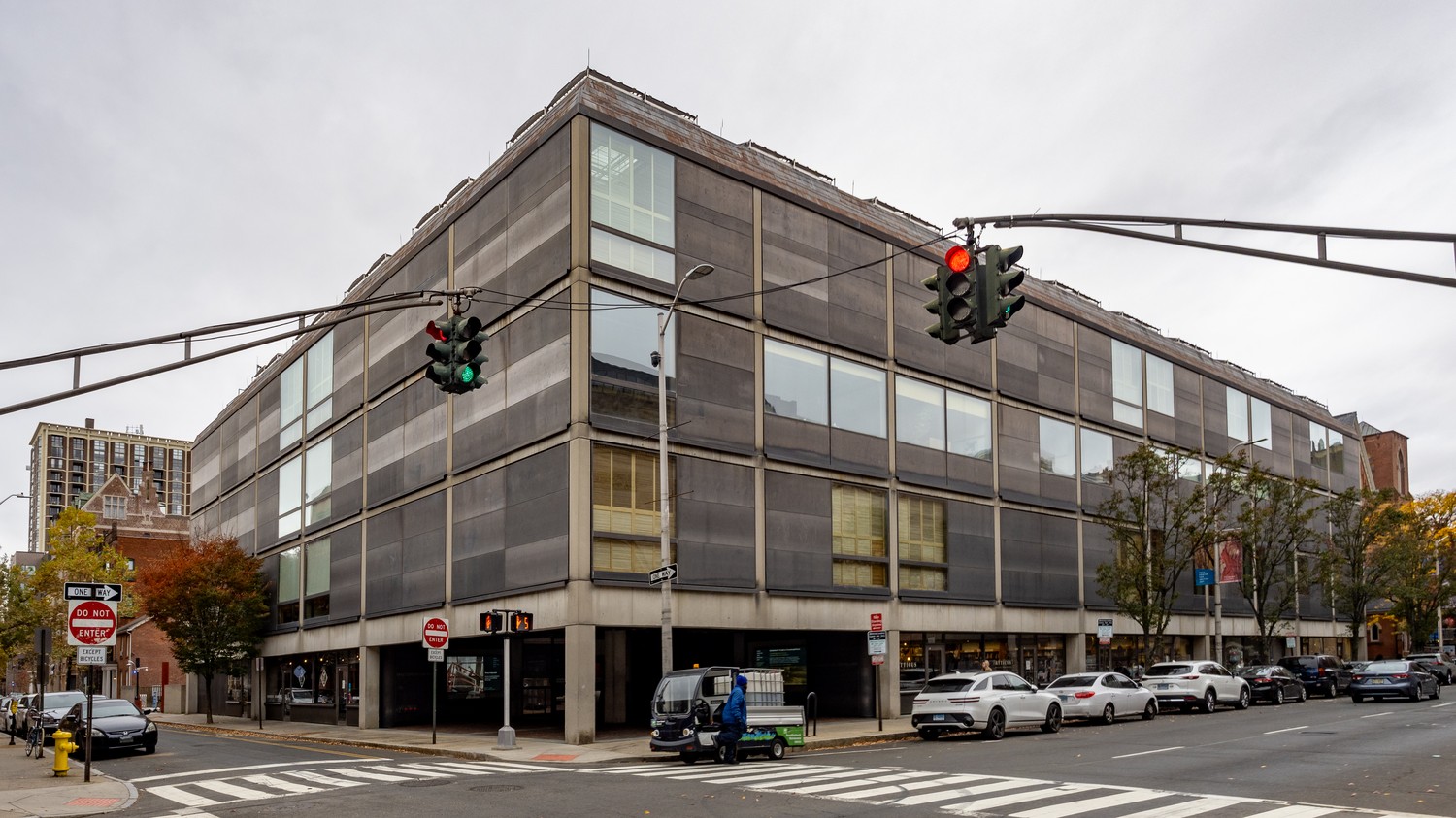
Nestled within the heart of New Haven, Connecticut, the Yale Center for British Art isn't merely a museum; it’s an immersive experience, a pilgrimage through five centuries of British identity. Founded in 1966 with a breathtaking gift from Paul Mellon’s extraordinary collection – amassed over decades and representing a pivotal moment in art history – the center has evolved into one of the world’s foremost repositories of British artistic achievement. Stepping inside is akin to entering a luminous sanctuary, designed by the architectural visionary Louis Kahn, where light itself becomes a participant in the narrative of the art it houses. The building's stark, travertine walls and soaring ceilings create an atmosphere of profound contemplation, immediately setting the stage for an encounter with masterpieces that capture the nation’s spirit, its triumphs, and its complexities.
The collection’s deliberate focus – spanning from William Hogarth’s vibrant depictions of 18th-century society to J.M.W. Turner’s revolutionary landscapes – offers a remarkably detailed portrait of Britain during a period of immense transformation. It's not simply about showcasing individual works; it’s about understanding the evolution of British aesthetics, social customs, and political thought. Key highlights include Hogarth’s sharp-eyed commentary on aristocratic life through paintings like “A Rake’s Progress,” a brutally honest depiction of moral decay and societal excess; Gainsborough’s elegant portraits capturing the nuances of the gentry – figures of immense power and influence rendered with exquisite detail and subtle grace; and, of course, Turner's dramatic landscapes that redefined the possibilities of color and light. His works aren’t just representations of nature; they are emotional responses to it, imbued with a sense of awe, mystery, and even foreboding – a radical departure from the established academic tradition that prioritized precise representation over subjective feeling.
The Architectural Legacy of Louis Kahn
To truly appreciate the Yale Center for British Art, one must acknowledge the profound influence of its architect, Louis I. Kahn. Kahn’s design philosophy was rooted in a deep reverence for light, space, and material – principles he translated into this iconic building with breathtaking precision. The structure isn't simply a container for art; it’s an integral part of the artistic experience itself. Kahn believed that architecture should be a dialogue between the human spirit and the natural world, and his design reflects this belief in every detail.
The use of Italian travertine marble creates a sense of timelessness and solidity, evoking a feeling of permanence and stability. Simultaneously, the expansive skylights flood the galleries with diffused natural light, eliminating the need for artificial illumination and allowing the colors and textures of the artworks to truly shine. This interplay of light and shadow is not merely aesthetic; it’s integral to Kahn's concept of space – creating an atmosphere that feels both monumental and intimate, encouraging visitors to slow down, contemplate, and fully engage with the works on display. The building’s geometry, with its interlocking spaces and carefully considered proportions, invites contemplation and encourages a sense of quiet reverence.
Notable Artwork Highlights: A Journey Through British Art
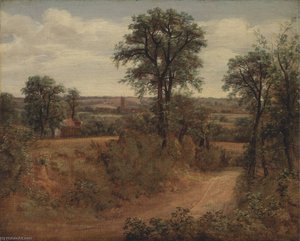
The Yale Center's collection offers a remarkable journey through British art history. Several works stand out as particularly compelling examples of the era’s artistic achievements. “Fen Bridge Lane” by Thomas Gainsborough, for instance, captures the serene beauty of rural England with an almost idyllic quality – a testament to the Romantic movement’s fascination with nature and its desire to escape the confines of urban life. The painting evokes a sense of tranquility and timelessness, inviting viewers to lose themselves in the simple pleasures of the countryside.
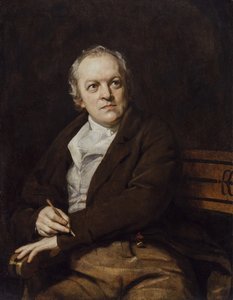
William Blake's "Los Entering the Grave" is a powerfully evocative depiction of mortality and spirituality, showcasing the artist’s unique blend of mythology and symbolism. It’s a haunting image – a skeletal figure entering a dark, foreboding grave, representing the inevitable passage of time and the fragility of human existence. John Constable’s “A View near Flatford Mill” exemplifies Turner’s revolutionary approach to light and color, transforming a seemingly simple landscape into a vibrant explosion of emotion and atmosphere. The painting captures the fleeting effects of sunlight on water and foliage, conveying a sense of movement and dynamism that was unprecedented in British art at the time. These are just a few glimpses into the richness and diversity of the collection – each artwork offering a window into the lives, beliefs, and experiences of those who shaped British culture.
Current Exhibitions and Ongoing Engagement
The Yale Center for British Art remains a vibrant hub for scholarship and public engagement. Currently, “In a New Light: Five Centuries of British Art” illuminates a compelling dialogue between past and present, juxtaposing the dramatic landscapes of J.M.W. Turner with the contemporary explorations of Tracey Emin. This exhibition underscores the enduring relevance of British artistic heritage while simultaneously highlighting its ongoing evolution. Beyond current exhibitions, the Center consistently presents a dynamic program of lectures, workshops, film screenings, and family programs – offering diverse opportunities for learning and appreciation. The institution’s affiliation with the Paul Mellon Centre for Studies in British Art in London facilitates international collaborations and expands the reach of Yale’s research initiatives.
A Legacy of Accessibility and Research
The Yale Center is committed to making its collection accessible to all, offering free admission to the public. Furthermore, it maintains a significant collection of rare books and manuscripts, providing invaluable resources for researchers studying British art history and culture. The Center’s dedication to scholarship extends beyond research; it actively supports fellowships, grants, and exhibitions, fostering a dynamic exchange between artists, scholars, and the wider community. It's a place where the past comes alive, inviting visitors to delve deeper into the stories behind the masterpieces and explore the rich tapestry of British artistic heritage.