Andrew Murray Forge: A Pioneer of Abstract Expressionism
Andrew Murray Forge (10 November 1923, Hastingleigh, Kent – 4 September 2002, New Milford, Connecticut, United States) stands as a pivotal figure in the evolution of British painting during the mid-20th century. Born into a family steeped in artistic tradition—his father was a sculptor—Forge’s early life fostered an innate appreciation for visual art that would profoundly shape his career trajectory. After graduating from Leighton Park School, he pursued formal studies at Camberwell School of Art, immersing himself in the burgeoning modernist movement under the tutelage of William Coldstream and Victor Pasmore, absorbing their philosophies on color theory and compositional structure.- Early Influences: Coldstream’s emphasis on tonal gradation and Pasmore's exploration of geometric abstraction instilled a foundational understanding of artistic principles that would permeate Forge’s subsequent work.
- The Slade School Years (1950-1964): Forge’s time at the Slade School of Art proved formative, not only academically but also personally. He found companionship in Dorothy Mead, a fellow student who shared his passion for abstract art and would become his lifelong collaborator. This connection fueled their artistic endeavors and cemented their commitment to pushing boundaries within the London Group.
Membership in the London Group and Artistic Development
Forge’s involvement with the London Group began in 1950, marking a crucial step in establishing his reputation as an artist dedicated to experimentation. The group championed a bold aesthetic—characterized by vibrant color palettes and gestural brushstrokes—that challenged prevailing artistic conventions. Forge's canvases became increasingly expressive, reflecting his engagement with the burgeoning Abstract Expressionist movement spearheaded by artists like Willem de Kooning and Jackson Pollock. His distinctive style developed through meticulous observation of nature, particularly landscapes imbued with atmospheric conditions that influenced his palette and textural approach. The influence of Surrealism is also discernible in some of his works, hinting at an interest in exploring subconscious imagery and psychological depth.Leadership Roles and Academic Recognition
From 1964 to 1970, Forge served as Head of the Department of Fine Art at Goldsmiths College, nurturing a generation of aspiring artists and fostering a stimulating intellectual environment. Recognizing his considerable talent and dedication to artistic scholarship, he was appointed Lecturer in Art at the University of Reading (1971-1972), furthering his commitment to disseminating knowledge about art history and technique. In 1973–74, Forge undertook a Visiting Professorship at Cooper Union in New York City, broadening his artistic horizons and engaging with international perspectives on contemporary art. Subsequently, he became Dean of the School of Art at Yale University (1975–83), overseeing significant advancements in curriculum and fostering a vibrant campus culture.Yale Legacy and Artistic Contribution
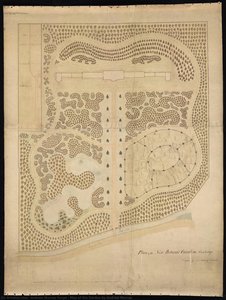
Forge’s tenure as Professor of Painting at Yale University spanned from 1975 to 1991, during which he established himself as a respected voice within the art world. He was awarded Emeritus William Leffingwell Professor of Painting (1991–94), acknowledging his enduring influence on artistic education and scholarship. In 1992, Forge ascended to membership in the National Academy of Design, recognizing his distinguished achievements as an artist and educator. His work continues to be celebrated for its evocative depictions of landscapes—particularly “Map of the Garden”—and its masterful execution of tonal color palettes, solidifying his place among the most influential painters of the 20th century.Concluding Remarks
Andrew Murray Forge’s artistic legacy extends beyond individual canvases; it resides in his unwavering dedication to fostering creativity and promoting intellectual discourse within the realm of visual arts. His pioneering spirit, coupled with a profound understanding of artistic principles—rooted in both British tradition and international influences—established him as a cornerstone of Abstract Expressionism and cemented his enduring contribution to the history of art.问答详情
Andrew Murray Forge 的创作时期属于哪个历史阶段?
Andrew Murray Forge 的创作活跃于 Modern 时期,这一时期确立了艺术家在艺术史上的地位。
Andrew Murray Forge 来自哪里?
Andrew Murray Forge 出生于 United Kingdom。
Andrew Murray Forge 出生于何时何地?
Andrew Murray Forge 于 1923 出生于 Hastingley。