The Asante People: Masters of Color and Tradition
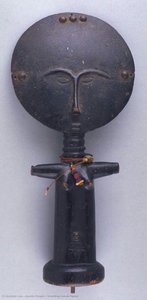
The Asante people, often referred to as the Ashanti men, represent a cornerstone of Ghanaian heritage—a vibrant culture deeply rooted in history, artistry, and distinctive social customs. Originating from the lush, fertile Ashanti Region of Ghana, their story unfolds across centuries, marked by the rise of powerful kingdoms, strategic alliances, and an enduring legacy of artistic excellence. To understand Asante art is to delve into a complex tapestry of symbolism and craftsmanship, where every thread and carved line reflects not only aesthetic beauty but also profound spiritual beliefs and the very heartbeat of their societal values.
The foundations of this cultural greatness were laid in the late 17th century under the visionary leadership of Osei Tutu Kwame. He was a leader who successfully united disparate Ashanti clans into a formidable military force, establishing the Asante Empire. By recognizing the strategic importance of trade routes connecting West Africa to Morocco, he navigated diplomatic relations with great skill, bolstering defenses against European encroachment while fostering unprecedented prosperity. This era saw the rise of Kumase as a pivotal hub for commerce, where the wealth from gold and domestic trade fueled an imperial ambition that would consolidate Asante dominance over much of present-day Ghana and Togo.
The Language of Textiles and Symbolism
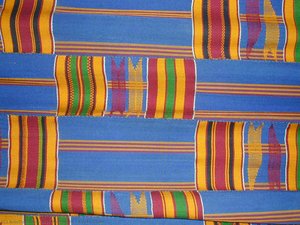
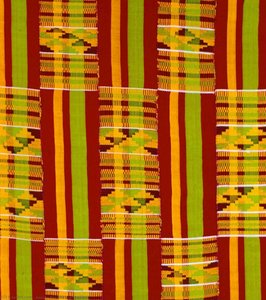
Perhaps the most recognizable emblem of Asante culture is the Kente cloth, an intricately woven textile renowned globally for its bold geometric patterns and dazzling array of colors. This is not merely a decorative fabric; it is a profound medium of communication. Traditionally crafted by skilled artisans using silk threads and locally grown cotton, Kente transcends mere ornamentation to embody Ashanti identity, social hierarchy, and spiritual significance. Each pattern is a carefully composed narrative, often representing ancestral lineages or conveying specific messages of peace, prosperity, and honor. The rhythmic interplay of color serves as a visual language that speaks of the wearer's status and the community's collective wisdom.
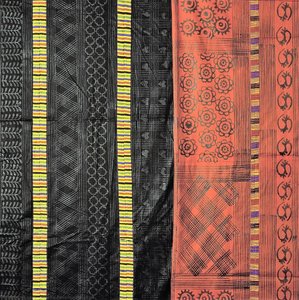
Complementing the brilliance of Kente are the Adinkira designs, which further enrich the Asante visual lexicon. These symbols, often found in various forms of art and architecture, act as shorthand for complex philosophical concepts and historical proverbs. Through these motifs, the Asante people have maintained a continuous dialogue with their past, ensuring that their history is not just remembered but actively worn and displayed. The artistry of the Asante is characterized by this seamless integration of the functional and the symbolic, where even the most utilitarian objects are imbued with deep, layered meanings.
A Legacy Carved in History
The historical significance of the Asante people extends far beyond their artistic contributions, reaching into the very structure of West African political history. The Asante Empire was a sophisticated state characterized by its military prowess, architectural achievements, and complex social hierarchy. Even as the empire faced challenges during the era of British occupation in the late 19th and early 20th centuries, the cultural essence of the people remained unyielding. Their ability to preserve their traditions—from the sacredness of their traditional buildings to the intricate rituals of their leadership—has allowed their artistic legacy to remain a living, breathing force in the modern world.
Today, the influence of Asante craftsmanship continues to resonate across the globe. The mastery of color and the precision of their geometric designs serve as a testament to a civilization that has always valued the intersection of beauty and meaning. As we look upon the works of these masters, we see more than just art; we see the enduring spirit of a people who have successfully woven their history, their faith, and their identity into a vibrant, unbreakable cloth of cultural excellence.
问答环节
Asante People 出生于哪个国家?
Asante People 出生于 Ghana。
Asante People 是否还有其他别名或曾用名?
Asante People 也被称为 Ashanti Men。