Henry Moore (1898–1986): Sculptural Process and Public Identity
Henry Spencer Moore, born on July 30, 1898, in Castleford, Yorkshire, England, was an English visual artist who profoundly reshaped the landscape of modern British sculpture. His formative years amidst the rugged beauty of his birthplace instilled a lifelong fascination with organic forms—particularly those mirroring the undulating hills and valleys of Yorkshire—a fascination that would permeate his artistic vision throughout his prolific career. Raymond Spencer Moore (1848–1922), his father, was a self-taught man who championed education, steering young Henry away from the traditional path of a miner towards formal schooling; this early influence nurtured a belief in intellectual exploration and laid the groundwork for Moore’s artistic pursuits.Early Artistic Exploration and Formal Education
Moore's innate talent for modeling clay and carving wood emerged early on, foreshadowing his future vocation. Recognizing his exceptional aptitude, Castleford Secondary School’s art teacher fostered his burgeoning creativity—a pivotal moment that propelled him toward a deeper engagement with artistic principles. He pursued further studies at Leeds School of Art before embarking on a transformative journey to the Royal College of Art in London, immersing himself in the study of classical sculpture alongside pioneering movements like Cubism. However, Moore wasn’t merely adopting stylistic trends; he synthesized these influences into something wholly original—a synthesis characterized by an unwavering commitment to exploring form and space through abstraction.The Influence of Mexican Pre-Columbian Art
A pivotal encounter occurred during Moore's visit to Mexico in 1925, where he was captivated by the monumental sculptures of the Aztec civilization. The striking simplicity and geometric precision of these works liberated him from representational constraints—a liberation that fueled his experimentation with abstraction and solidified his fascination with exploring fundamental artistic concepts. This experience profoundly impacted his aesthetic sensibilities, inspiring him to embrace forms devoid of explicit detail while retaining a palpable sense of dynamism and visual interest.Sculptural Style and Recurring Themes
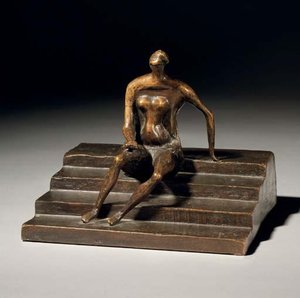
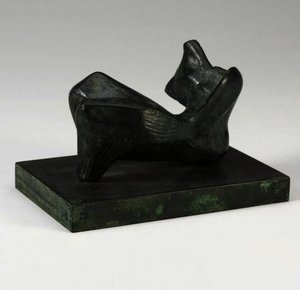
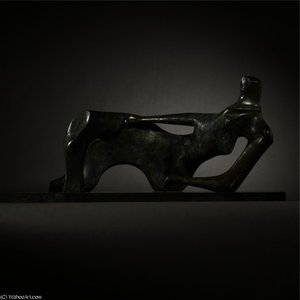
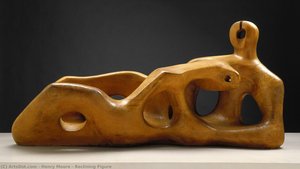
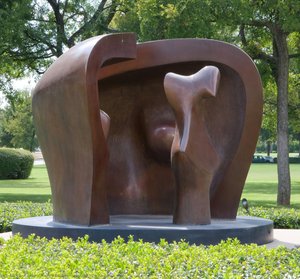
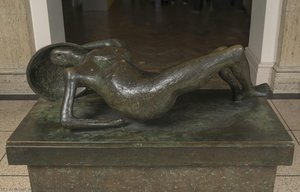
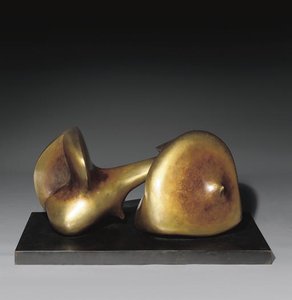
Moore’s sculptural style evolved over time—characterized by rounded, organic shapes that echoed the natural world and often incorporating voids or openings—a stylistic hallmark that distinguished his oeuvre from conventional artistic practices. He consistently revisited two central themes: the reclining figure and the mother and child—motifs imbued with profound emotional depth and reflecting universal human experiences. These sculptures weren’t idealized representations but honest explorations of form, volume, and spatial relationships—demonstrating Moore's ability to translate sculptural principles into evocative visual narratives.Public Commissions and Legacy
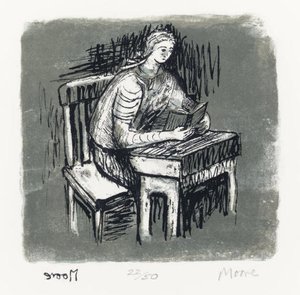
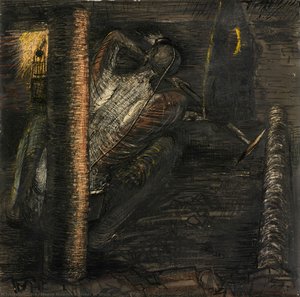
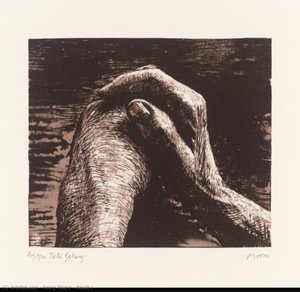
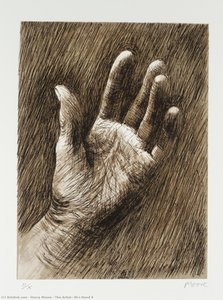
The Second World War spurred Moore’s artistic endeavors—particularly his documentation of Londoners sheltering from the Blitz in Underground stations—resulting in a series of poignant drawings that captured the resilience, fear, and communal spirit of the era. These *Shelter Drawings* stand as testament to Moore's capacity for translating sculptural vision into two-dimensional form—a feat that cemented his reputation as one of Britain’s foremost sculptors. Subsequently, he received numerous prestigious public commissions—allowing him to create monumental sculptures for educational institutions and civic spaces—reflecting his conviction that art should serve the broader community and fostering artistic innovation across generations. Henry Moore's enduring influence on twentieth-century art remains undeniable—a legacy characterized by a courageous challenge to conventional sculptural norms and an unwavering devotion to exploring form, space, and human connection.- Notable Sculptures: *Reclining Figure*, *Family Group*, *Shelter Drawings*
- Influences: Classical Sculpture, Cubism, Mexican Pre-Columbian Art
- Key Characteristics: Rounded Forms, Organic Shapes, Void Spaces
问答详情
亨利·摩尔 出生于何时何地?
亨利·摩尔 于 1898 出生于 卡斯尔福德。
亨利·摩尔 的创作时期属于哪个历史阶段?
亨利·摩尔 的创作活跃于 现代主义 时期,这一时期确立了艺术家在艺术史上的地位。
亨利·摩尔 来自哪里?
亨利·摩尔 出生于 英国。