The Urban Genesis of Nunca
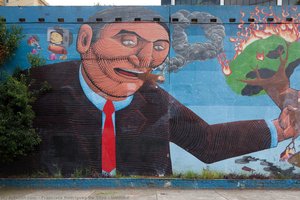
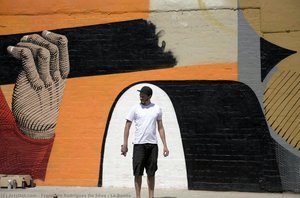
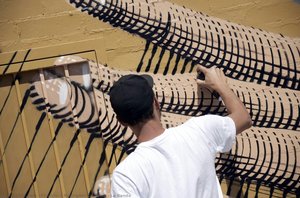
In the sprawling, concrete heart of São Paulo, where the raw energy of the metropolis meets the grit of the streets, a unique visual language was born. Francisco Rodrigues da Silva, known to the world as Nunca, began his journey not in the quiet halls of an academy, but amidst the cryptic, vertical calligraphy of pichação. At just twelve years old, navigating the streets of Itaquera, he was part of a movement that used the city's architecture as a canvas for rebellion and identity. This early immersion in the shadows of the urban landscape provided the foundation for an artist who would eventually transform the very skin of the city into a vibrant, breathing archive of Brazilian heritage.As his style evolved, Nunca moved beyond the initial simplicity of tagging to develop a sophisticated aesthetic that bridges the gap between street culture and fine art. His work captures the pulse of the urban canvas, turning the decay and rebirth of the environment into a profound dialogue between the past and the present.
A Synthesis of Ancestral Spirit and Modern Texture
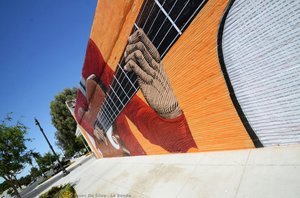
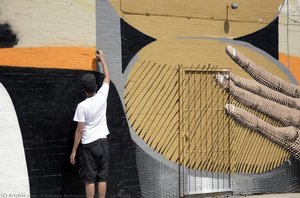
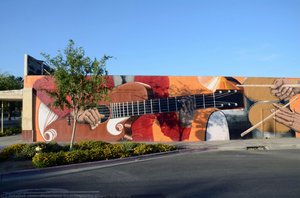
The hallmark of Nunca’s technique is a bold use of impasto, where thick, energetic layers of paint create a three-dimensional topography on the wall. This tactile approach allows his murals to possess an almost sculptural quality, capturing the dynamism and movement of São Paulo's streets. Yet, beneath this modern, urban surface lies a profound reverence for Brazil’s indigenous roots. His canvases are a mesmerizing interplay of:- The vibrant, expressive colors of Indigenous Brazilian art
- Geometric abstractions that echo ancient cosmology and spirituality
- Techniques that mimic the antique etchings used by early conquistadors to document the New World
Global Resonance and Lasting Legacy
The impact of Nunca’s work extends far beyond the borders of Brazil, reaching the prestigious galleries of Europe and North America. His ascent to international prominence was marked by a significant milestone in 2008, when he became one of the youngest artists featured in a major exhibition at the Tate Modern in London. This recognition helped catalyze a global re-evaluation of street art, positioning it not merely as urban decoration, but as a sophisticated medium for complex historical and cultural narratives.Through his collaborations with legendary figures like Os Gêmeos and his unwavering gaze toward the intersection of history and modernity, Nunca continues to weave a visual dialogue that challenges the boundaries of contemporary art. His work remains a powerful testament to the ability of street art to confront urban realities while honoring the ancestral roots that define a nation's soul.
问答详情
Francisco Rodrigues Da Silva 出生于何时何地?
Francisco Rodrigues Da Silva 于 1983 出生于 São Paulo。
Francisco Rodrigues Da Silva 的创作时期属于哪个历史阶段?
Francisco Rodrigues Da Silva 的创作活跃于 Contemporary 时期,这一时期确立了艺术家在艺术史上的地位。
Francisco Rodrigues Da Silva 来自哪里?
Francisco Rodrigues Da Silva 出生于 Brazil。