

The Origins and History of Alnwick Castle
Alnwick Castle emerged from the aftermath of the Norman Conquest, a structure born of the shifting power dynamics in northern England. The first parts of the castle were erected around 1096 by Ivo de Vesci, a nobleman from Vassy, Calvados in Normandy. This early fortification established a presence in the Northumberland landscape that would endure through centuries of conflict. By 1136, the site had already become a point of contention, recorded when it was captured by King David I of Scotland.
The history of the site is inextricably linked to the Percy family. Having been the seat of the Percys since Norman times, the castle has witnessed the rise of one of the most influential lineages in the region. By the 14th century, the fortunes of the Percys became permanently tied to Alnwick and its stone walls. This connection has persisted through the generations, maintaining the castle's status as a central stronghold in the North.
Today, the castle remains a private residence and the seat of the 12th Duke of Northumberland. It functions as both a grand country house and a historic fortification, preserving the layers of its long occupation. The site continues to hold its position as a significant landmark in the English county of Northumberland.
The Architecture and Building of the Castle
The structure is a Grade I listed building and holds the distinction of being the second largest inhabited castle in the United Kingdom. Its stone foundations date back to 1157, when the site was rebuilt in stone. Surviving elements from the era when the Percy family fortified the stronghold include the Abbot's Tower, the Middle Gateway, and the Constable's Tower. These remnants provide a physical connection to the medieval defensive requirements of the northern border.
The evolution of the building reflects changing residential preferences over several centuries. The keep was eventually transformed into a Gothic style mansion by Robert Adam. Later, in the 1850s, the architect Anthony Salvin provided the castle with its present, grandly baronial appearance. While the exterior maintains this imposing presence, the interior was sumptuously transformed in the Italian Renaissance style, creating a contrast between the defensive character of the walls and the refined elegance of the living spaces.
Masterpieces of the Collection
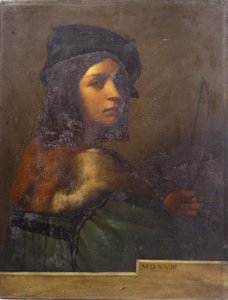
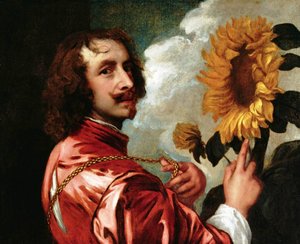
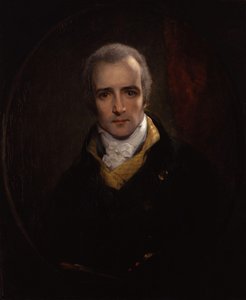
The collection within the castle includes works that trace the lineage and presence of the Percy family. Sebastiano del Piombo’s Mary's Visitation, dated about 1540, offers a quiet encounter with Renaissance composition. Nearby, the portrait of Algernon Percy, 10th Earl of Northumberland (1602-1668), Lord High Admiral, by Anthony van Dyck, captures the subject in 1638. This presence is echoed in another depiction of Algernon Percy, 10th Earl Of Northumberland, by Thomas Phillips.
The landscape tradition is represented through the works of Canaletto. His 1747 oil on canvas, Alnwick Castle, depicts the medieval architecture and the moat scene, including people gathering and horses. This specific view provides a window into the historical character of the site. Another work by the same artist, Syon House, dated 1749, remains part of the holdings, extending the visual record of significant estates.


