

The Origins and History of Belvoir Castle
Belvoir Castle occupies a prominent position in the Leicestershire landscape, overlooking the Vale of Belvoir. The site has seen continuous occupation since the immediate aftermath of the Norman Conquest in 1066. In 1067, Robert de Todeni established the first castle on this hilltop, utilizing a motte-and-bailey design to secure the terrain. This early fortification marked the beginning of a long succession of structures, as the castle has been rebuilt at least three times to meet the changing requirements of its inhabitants and the shifting tides of English history.
The Manners family has maintained a connection to this estate for five hundred years. Their presence has shaped the continuity of the site through centuries of political and social upheaval. For over three centuries, Belvoir Castle has served as the seat of the Dukes of Rutland. This lineage has witnessed the castle's transformation from a defensive stronghold into a stately home, though the transition was often marked by conflict. During the English Civil War, the castle was destroyed by Parliamentarians in 1649, a period of significant upheaval that altered the course of the estate's development.
The Architecture and Design of the Castle
The castle occupies a commanding position upon a hilltop, overlooking the Vale of Belvoir. Its name, derived from the Norman French for "beautiful view," reflects the visual relationship between the stone structure and the surrounding landscape. The site has undergone several transformations since the 11th century, with each iteration responding to the shifting preferences of the Manners family. One significant phase of construction occurred when the third castle was designed by John Webb, a pupil of Inigo Jones.
The current structure is a grade I listed mock castle dating from the early 19th century. This final building emerged after the 5th Duke of Rutland commissioned architect James Wyatt to rebuild the site in the romantic Gothic Revival style. The design reflects the aesthetic movements of that era, moving away from the classical intentions of previous centuries toward a more dramatic, medieval-inspired silhouette. The architecture seeks to harmonize with the rugged topography of the Leicestershire wold.
Masterpieces of the Collection
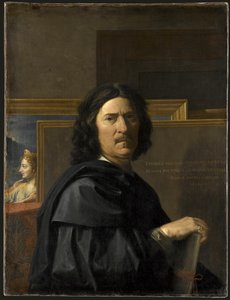
The presence of these works within the stately home reflects a long history of acquisition by the Manners family. Among the most significant pieces is the 1527 depiction of the Last Supper by Pieter Coecke van Aelst. Nearby, the collection holds two significant works by Nicolas Poussin, including Confirmation, about 1638, and The Marriage of the Virgin, about 1640. These paintings possess a quiet gravity that commands the space they occupy.
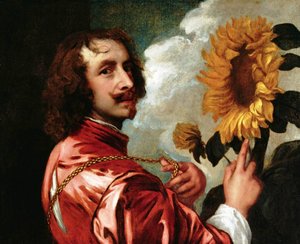
Portraiture and genre scenes provide a different perspective on the era. Anthony van Dyck rendered a Portrait of Katherine Manners, duchess of Buckingham, about 1630, capturing a specific moment in the lineage of the estate. David Teniers the Younger contributed Flemish Proverbs, about 1646, offering a glimpse into the detailed narrative traditions of the mid-seventeenth century. Each object remains a physical connection to the past, held within the walls of the castle.


