

A Voyage Through Genoa’s Maritime Soul
The Museo Navale in Genoa is far more than a mere collection of maritime relics; it is a living, breathing chronicle of a city forged by the salt and spray of the Mediterranean. Situated within the revitalized Porto Antico, this architectural jewel invites visitors to step beyond the threshold of the present and into a saga of seafaring dominance that has defined Genoese identity for centuries. To walk through its halls is to embark on an immersive odyssey, where the boundary between historical record and sensory experience dissolves. Here, the echoes of ancient trade routes meet the technological whispers of modern naval engineering, creating a space where history is not just observed but felt with every rhythmic pulse of the sea.The museum serves as a profound gateway to the Mediterranean, offering an experience that transcends the static nature of traditional institutions. It is a place where the weight of iron and the lightness of sail converge, inviting art lovers and historians alike to contemplate the enduring bond between human ambition and the boundless expanse of the ocean.
Relics of Conquest and Craftsmanship
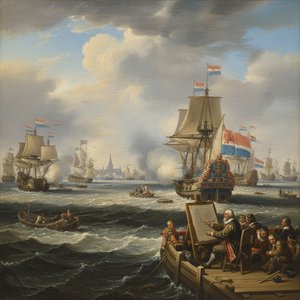
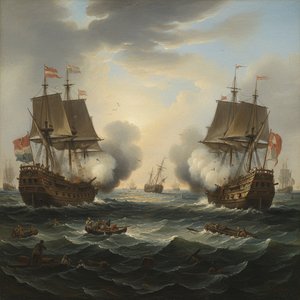
The heart of the museum beats within its meticulously curated collection, which captures the sheer scale and artistry of maritime evolution. Dominating the exhibition space is a breathtaking reconstruction of a 17th-century galley , a tangible monument to the daring explorers and merchants who once commanded these waters. This centerpiece serves as a gateway to a deeper exploration of naval prowess, leading the eye toward intricate ship models that showcase the precision of maritime design and the evolution of vessel architecture. Beyond the grand structures, one finds the intimate details of life at sea: weathered navigational instruments that once charted unknown horizons, ceremonial uniforms that embody discipline and courage, and weaponry that reflects the visceral reality of naval warfare.Interspersed among these artifacts are evocative paintings that capture the very essence of maritime drama— stormy seas, heroic exploits, and the bustling vitality of Genoese ports —offering a visual symphony of motion and light. For the collector or interior designer, these works represent the pinnacle of historical storytelling, where the aesthetics of chaos and the beauty of the deep are captured in oil and canvas, reflecting a period when the sea was both a battlefield and a canvas for human glory.
The Submerged Narrative and Human Horizons
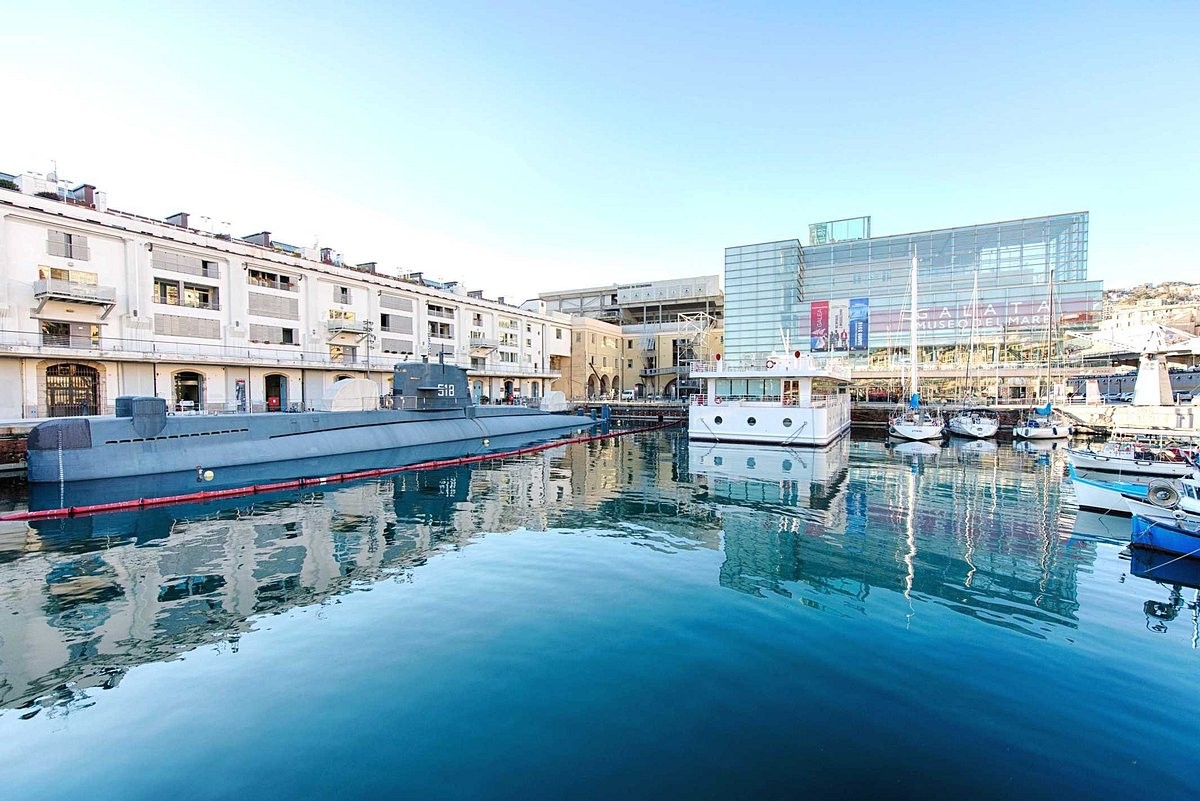
While much of the museum celebrates the surface triumphs of the sea, it also plunges into the depths of technological and human history. The presence of the S506 submarine , a genuine vessel known as the Nazario Sauro, provides an unparalleled opportunity to explore the silent, pressurized world of underwater exploration. Descending into its interior, visitors encounter the profound challenges faced by submariners, bridging the gap between mechanical innovation and human endurance. Yet, the museum’s narrative extends far beyond the steel hulls of warships; it is deeply rooted in the stories of millions who viewed Genoa as their departure point for new lives.Through poignant exhibits on Italian migration to destinations such as America, Argentina, and Brazil , the museum honors the triumphs and hardships of those who crossed oceans in search of hope. This intersection of technological marvel and human migration transforms the institution from a naval repository into a profound testament to the global movement of people and ideas, making it a destination that resonates with deep emotional intelligence.
Architecture as an Anchor to History
The setting of the Museo Navale is itself a masterpiece of urban revitalization, housed within the beautifully restored Palazzo Galata complex. Once part of the city's industrial infrastructure, this area was transformed through visionary planning into a cultural epicenter, earning Genoa its distinction as the European Capital of Culture in 2004. The architectural design by Guillermo Vázquez Consuegra masterfully harmonizes the rugged heritage of the Old Port with contemporary artistic expression. This seamless blend of old and new provides a sophisticated backdrop for any visitor, where the industrial bones of the past are elegantly repurposed to cradle the treasures of the sea.It is within this revitalized landscape that the museum achieves its true magic, acting as an anchor that holds the weight of history while sailing toward the future of cultural discovery. For those seeking inspiration in the intersection of heritage and modern design, the Museo Navale stands as a beacon of how history can be preserved, reimagined, and celebrated within the heart of a modern maritime metropolis.