The Quiet Observer of Character
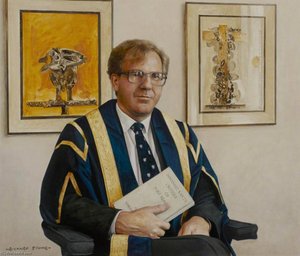
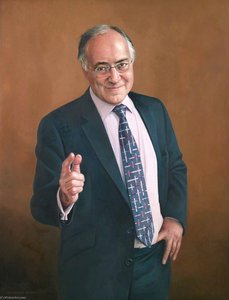
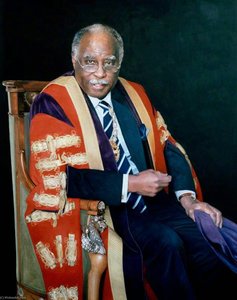
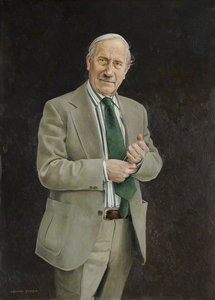
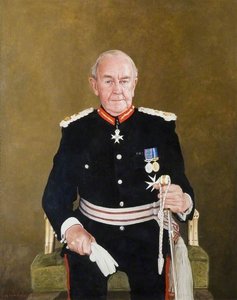
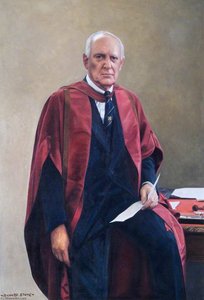
Born in 1951, Richard Stone has spent much of his life looking closely at the people who shape our history. His approach to painting is one of patience and precision. He does not rely on grand gestures or loud colors to make his point. Instead, he uses oil paints on canvas to build up layers of color and texture, slowly recreating the specific contours of a face or the way light hits a subject. This method allows him to capture a sense of inner life, finding a quiet stillness even when the subject is a person of great public importance.
His early years were shaped by the subtle visual cues found in the works of painters like René Magritte and Giorgio Morandi. From them, he learned how to convey emotion through understated palettes rather than through obvious storytelling. This preference for the subtle is evident in his ability to distill complex personalities into a single, compelling image. He seeks to represent reality as faithfully as possible, a pursuit rooted in a deep respect for the human form and the individual spirit.
A Life of Royal Commissions
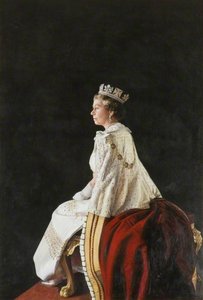
Stone’s career took a significant turn in 1973. At only 22 years old, he claimed to have become the youngest artist commissioned to paint a royal portrait in nearly two centuries. He secured this opportunity through a bold, direct approach, cold-calling Clarence House with the confidence of a man who knew his craft. This early success opened doors to the highest levels of British society, leading to a series of portraits that would define his professional life.
His portfolio includes many of the most significant figures in the British monarchy. He has painted:
- Queen Elizabeth II
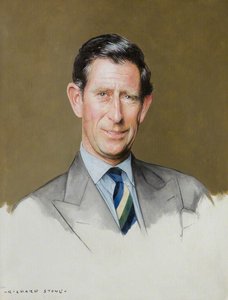
- King Charles III
- Queen Elizabeth The Queen Mother
- Princess Margaret
- Princess Alice
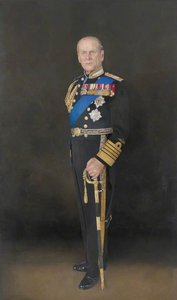
- Prince Philip
- Prince Andrew
- Prince Michael
- Sophie, Duchess of Edinburgh
- Birgitte, Duchess of Gloucester
- Princess Michael of Kent
Beyond the palace walls, his work has reached the halls of government. He painted the official Downing Street portrait of Margaret Thatcher, a piece that includes a specific detail requested by the former Prime Minister herself: her handbag. These works are not merely likenesses; they are historical records. His 1992 portrait of Queen Elizabeth II was even used by the BBC during the announcement of her death and in subsequent obituary broadcasts.
Legacy and Presence
The physical presence of Stone's work can be felt in several major institutions. His portraits hang in Buckingham Palace, the National Portrait Gallery in London, and the National Portrait Gallery in Australia. These placements ensure that his observations of leadership and character remain part of the public record. His ability to capture the essence of a person has made his work a staple in collections that document the history of the United Kingdom.
His interests also extend into the realm of heritage and storytelling. He has contributed to documenting the historic Richard Jefferies’ House & Museum and has engaged with maritime history through his involvement with HMS Excellent. Whether he is painting a diplomat like Ambassador William Crowe or a political figure like Margaret Thatcher, Stone remains focused on the quiet truth of the individual. His work continues to be sought after by those who value a precise and thoughtful representation of the human character.
الأسئلة والأجوبة
إلى أي حقبة تاريخية ينتمي Richard Stone؟
أبدع Richard Stone خلال حقبة Contemporary، وهي الفترة التي تضع نشاط الفنان في سياقه التاريخي.