
LE MENDIANTيان مِييلNone
 Oil On Canvas
- WallArt
- Dutch Golden Age Painting
 Early Modern
 متحف اللوفر
Jan Miel’s “Le Mendiant”: A Window Into Baroque Dignity Amidst Poverty
The artwork "Le Mendiant," attributed to Jan Miel (1599 – 1663), stands as a poignant testament to the artistic spirit of the Dutch Golden Age and its engagement with broader humanist concerns. Painted circa 1630, this genre scene—a hallmark of Miel’s oeuvre during his formative years in Rome—captures a moment of quiet contemplation within a bustling tavern interior, offering viewers an arresting glimpse into both social realities and artistic sophistication.Composition and Style: Baroque Restraint Within Classical Framework
Miel's stylistic approach skillfully blends influences from Flemish masters like Anthony van Dyck with the burgeoning grandeur of Italian Baroque aesthetics. The horizontal orientation of the canvas immediately establishes a sense of stability, mirroring the formal balance characteristic of Baroque compositions. However, unlike the opulent theatricality often associated with Rome at the time, Miel employs subtle tonal gradations and muted colors—primarily grayscale—to convey an atmosphere of understated dignity. This deliberate restraint serves to heighten the emotional impact of the depicted scene: a beggar humbly requesting alms amidst a group of patrons engaged in conversation. The artist’s meticulous attention to detail—evident in the rendering of textures, particularly on the tavern table and the livestock visible in the background—underscores Miel's commitment to realism while simultaneously grounding the image within a broader artistic tradition.Detailed Examination: Technique and Materials
The painting utilizes oil paint on canvas with considerable skill. Brushstrokes are perceptible but carefully blended, creating a smooth surface that enhances the illusion of depth and luminosity despite the absence of vibrant hues. Layers of tonal variation—a technique favored by Miel—are skillfully applied to sculpt form and delineate contours, capturing the nuances of light and shadow within the tavern setting. The artist’s meticulous observation of natural forms—reflected in the depiction of the cows and sheep—demonstrates a profound understanding of classical principles of perspective and anatomical accuracy.Historical Context: Rome and Beyond – Miel's Artistic Journey
Jan Miel’s artistic development unfolded primarily in Rome during the 1630s, where he honed his craft under the patronage of Charles Emanuel II, Duke of Savoy—a connection that cemented his reputation as a court artist. This period witnessed a significant shift towards classicizing tendencies within Miel's oeuvre, mirroring the broader cultural revival occurring across Europe. The artwork’s subject matter – depicting poverty alongside social interaction – speaks to the humanist ideals prevalent during the Baroque era, reflecting an interest in portraying human experience with compassion and intellectual rigor.Symbolism: Dignity Amidst Adversity
“Le Mendiant” transcends mere visual representation; it embodies a deeper symbolic resonance. The beggar’s posture—characterized by humility and supplication—serves as a poignant reminder of the vulnerability inherent within the human condition. Simultaneously, the gathering of people around the table symbolizes communal life and social responsibility. The inclusion of livestock reinforces the artwork's connection to rural existence and underscores its engagement with themes of moral contemplation. Ultimately, Miel’s masterpiece invites viewers to consider not only the aesthetic beauty of the scene but also its profound ethical implications—a testament to the enduring power of art to illuminate both the grandeur and fragility of human experience.- Artist: Jan Miel
- Birth Year: 1599
- Death Year: 1663
- Birth City: Beveren
- Birth Country: Belgium
Additional Resources:
LE MENDIANT – Louvre site des collections 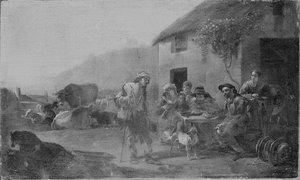
jan josef horemans the elder – Belgian painter (1682-1759) known for detailed interiors & anatomical precision.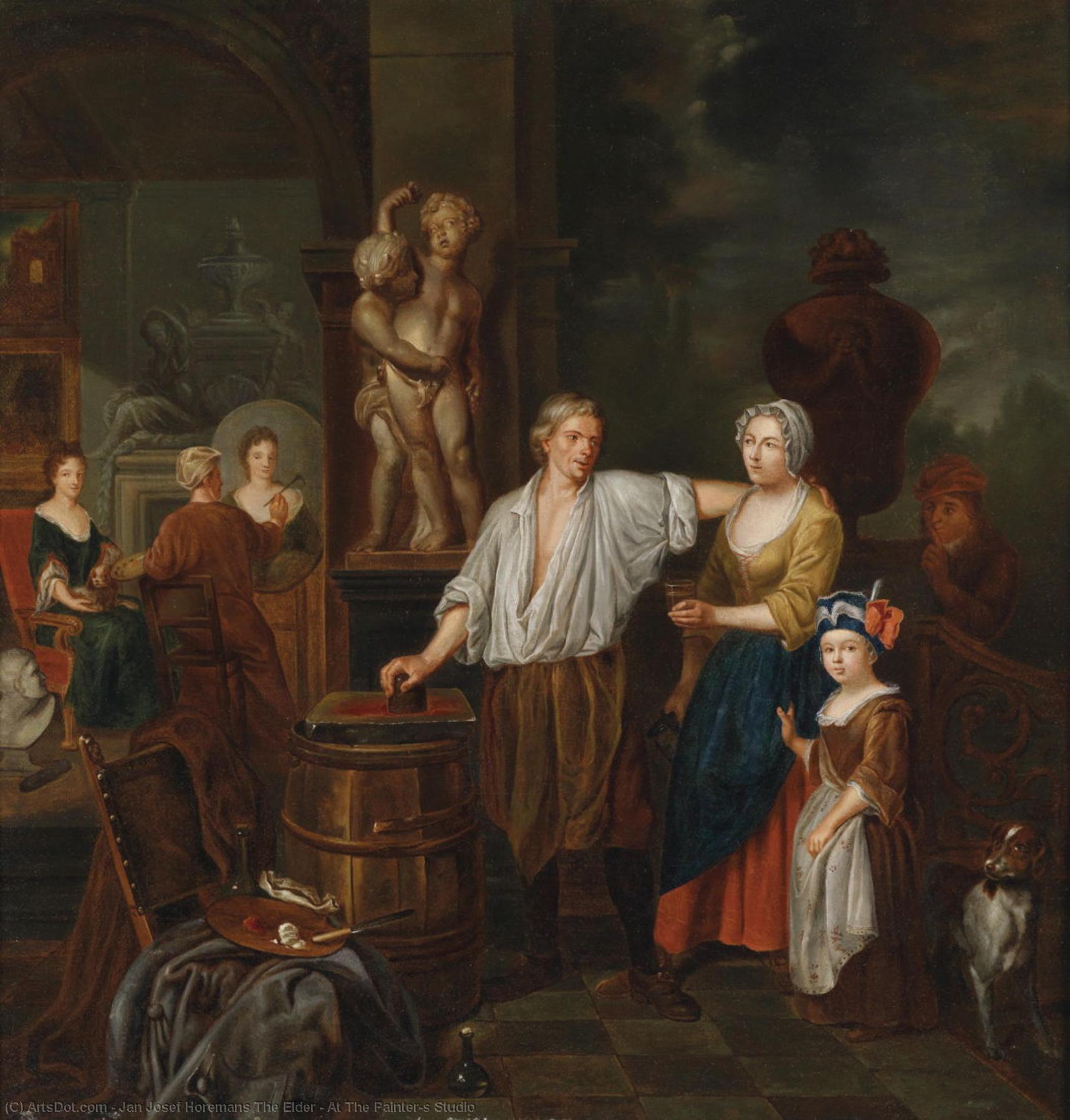
jan le ducq – Explore the captivating landscapes & animal paintings of Jan Le Ducq, a Dutch master known for his dog portraits.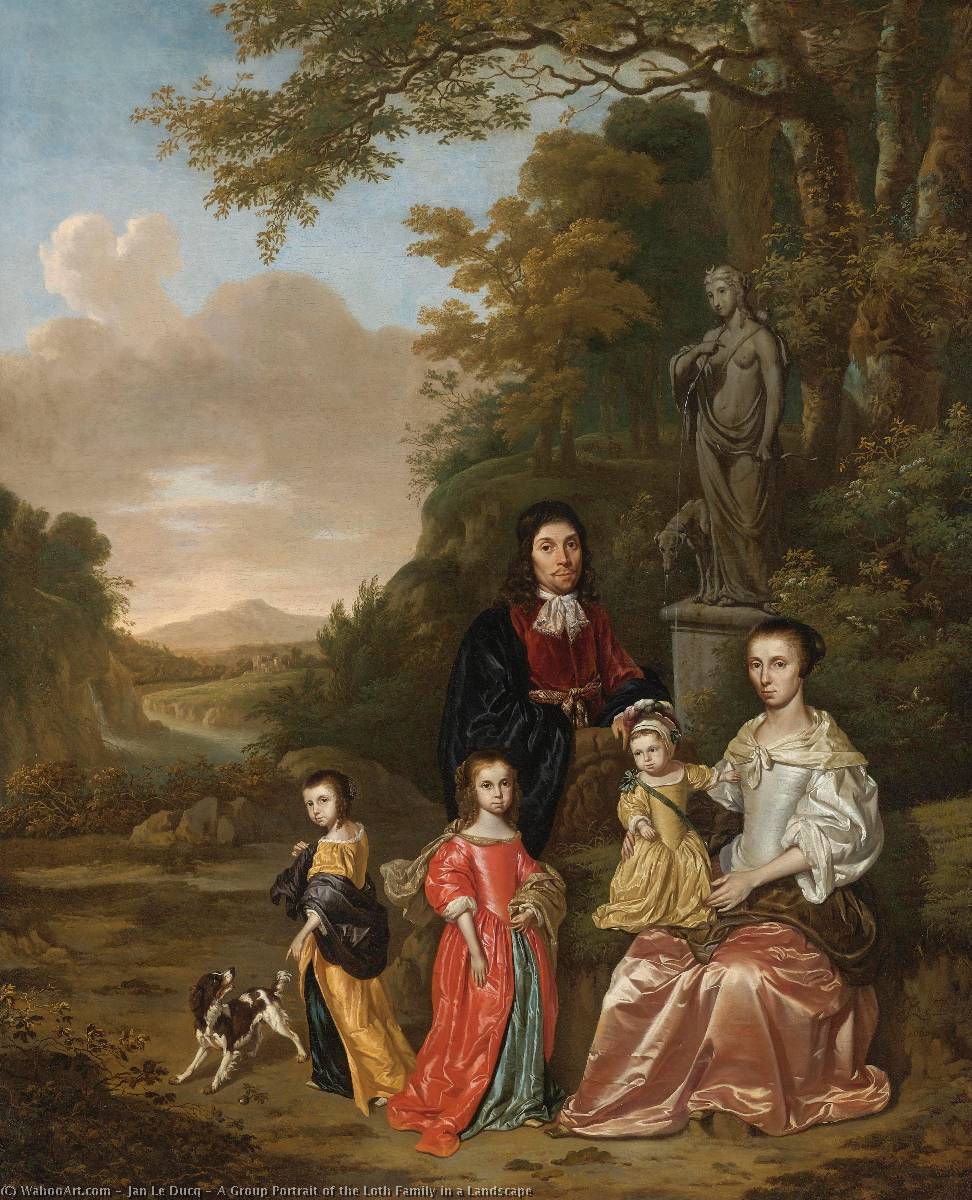
Jan Miel – Cavaliere della Vita, (Anvers, 1599 - Turin, 1663) Court artist to Charles Emanuel II, Duke of Savoy.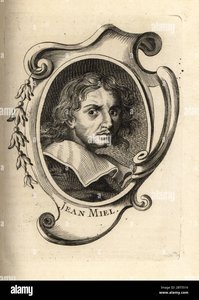
Louvre, Paris, France – INV 1447 and MR 816 ( )
)

File:Jan Miel - The beggar.JPG – Wikimedia Commons 
Louvre Cartel – Foucart, Jacques, Catalogue des peintures flamandes et hollandaises du musée du Louvre, Gallimard / Louvre éditions, 2009, p. 182, ill. n&bCatalogue des peintures flamandes et hollandaises
يان مِييل (1599 – 1663)
كان يان مِيل (1599-1664) رساماً فلمنكياً نشط في إيطاليا، اشتهر بلوحات 'البامبوتشيانتي' التي تصور الحياة الرومانية، ولاحقاً باللوحات التاريخية الكلاسيكية. عمل رساماً للبلاط لدى تشارلز إيمانويل الثاني، دوق سافوي.
متحف اللوفر (باريس, فرنسا)
Paris France اكتشف متحف اللوفر في باريس! استكشف روائع مثل الموناليزا وتمثال فينوس. رحلة عبر تاريخ الفن من مصر القديمة إلى أيقونات عصر النهضة. خطط لزيارتك اليوم! متحف اللوفر, متاحف باريس الفنية, الموناليزا, تمثال فينوس, الآثار المصرية, اللوحات الفرنسية, الفن الأوروبي, قصر اللوفر, تاريخ الفن, زيارة المتحف, مجموعة المنحوتات, فن الإسلام في اللوفر, معالم باريس, فن عصر النهضة, دافيد، مايكل أنجلو The
عن هذا العمل الفني
- العنوان: LE MENDIANT
- الفنان: يان مِييل
- التنسيق: Panoramic
- وضع حقوق النشر: ملك عام
- مكان العرض: متحف اللوفر
- الحركة الفنية: Dutch Golden Age Painting
- الوسيط الفني: Oil On Canvas
- الفترة الزمنية: Early Modern
- نوع الوسيط الفني: WallArt
- الفترة الإبداعية: Mature Period
حقائق سريعة
- Movement: Dutch Golden Age
- Medium: Oil on metal
- Title: Le Mendiant
- Year: 1630
- Influences: Anthony van Dyck
- Subject or theme: Social interaction & poverty
الأسئلة والأجوبة
إلى أي لون يميل "LE MENDIANT"؟
يميل "LE MENDIANT" نحو نغمة Green to Violet Spectrum."
ما هو تنسيق "LE MENDIANT"؟
تُعد "LE MENDIANT" للفنان يان مِييل تكويناً Panoramic. ويُنصح بمراجعة الأبعاد قبل اختيار حجم الطباعة.
إلى أي أسلوب ينتمي "LE MENDIANT"؟
تنتمي "LE MENDIANT" للفنان يان مِييل إلى حركة Dutch Golden Age Painting. وتوفر هذه الحركة السياق الأسلوبي للعمل.