
A Symphony of Gilded Splendor: The Soul of the Hôtel de Soubise
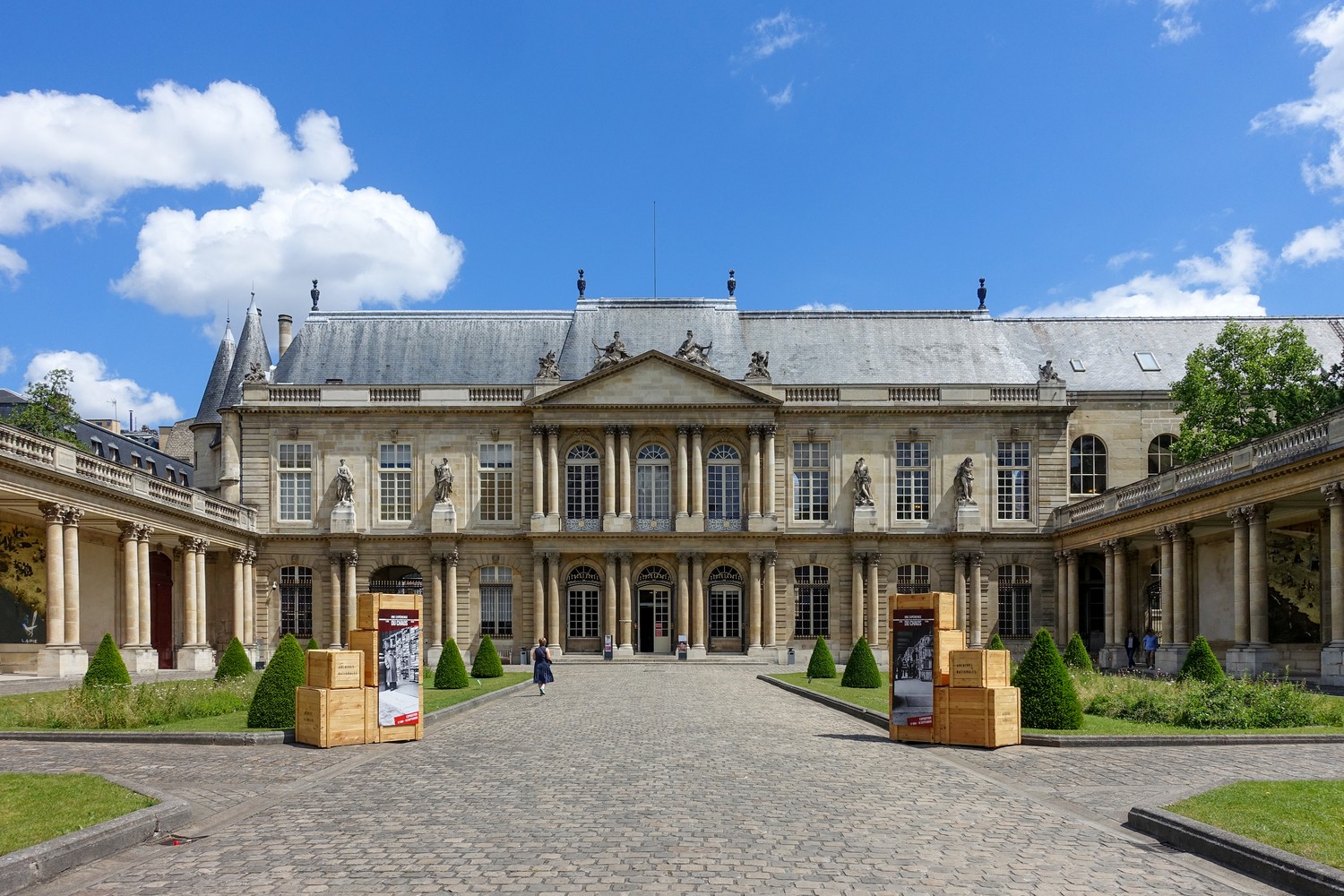
To step across the threshold of the Hôtel de Soubise is to surrender oneself to the intoxicating embrace of the French Rococo. Located in the historic heart of the Marais in Paris, France, this architectural jewel serves as a profound testament to the era of Louis XV, where every surface whispers tales of aristocratic elegance and refined sensuality. The mansion, an exquisite exemplar of the hôtel particulier style, is masterfully arranged entre cour et jardin —between a grand courtyard and a lush, secluded garden. This layout creates a sense of sanctuary, shielding the interior's opulence from the bustling Parisian streets and inviting visitors into a world where symmetry meets the playful, organic curves of the Baroque transition.
The architectural narrative of the estate is one of continuous metamorphosis. What began in 1375 as a fortified manor for Olivier de Clisson evolved through centuries of noble stewardship, reaching its aesthetic zenith under the transformative vision of François de Rohan, Prince Soubise. The legendary architect Germain Boffrand breathed life into these stone walls during the 1730s, crafting interiors that are nothing short of a visual feast. For the discerning eye of an interior designer or art lover, the rooms offer a masterclass in boiserie —intricate wooden paneling—and gilded stucco that catches the light with a shimmering, ethereal quality. The use of pastel hues and expansive mirrors creates an illusion of infinite space, a hallmark of the Rococo period designed to evoke lightness and joy.
A Curated Legacy of Artistic Brilliance
Beyond the structural magnificence lies a curated collection of canvases that serve as the heartbeat of the palace. The walls are adorned with the works of masters who defined the aesthetic ideals of their age, creating an environment where art and architecture exist in perfect, inseparable harmony. These paintings are not merely ornaments; they are windows into an Enlightenment-era fascination with beauty, nature, and the divine.
Notable highlights within this collection include:
- François Boucher : Whose delicate brushwork captures mythological scenes of unparalleled grace and soft, romantic textures.
- Charles-Joseph Natoire and Carle Van Loo : Artists whose compositions lend a monumental scale to the salons, blending narrative depth with decorative brilliance.
- Giovanni Domenico Tiepolo : Specifically his Portrait of an Oriental Philosopher , a work that introduces a profound sense of perspective and global curiosity to the palace's French splendor.
The Intersection of Art and History
What truly distinguishes the Hôtel de Soubise from other Parisian monuments is its dual identity as both an artistic sanctuary and a living repository of history. As the home to the National Archives Museum , the building bridges the gap between the tangible beauty of fine art and the documented truth of human experience. Visitors can wander through halls where medieval manuscripts reside alongside 18th-century treaties, creating a unique dialogue between the aesthetic and the historical.
It is this rare convergence—the ability to contemplate the artistry of Boffrand while simultaneously reflecting upon the official proclamations that shaped France—that makes the Hôtel de Soubise an indispensable destination. It remains a place where the splendor of the Rococo meets the weight of the written word, offering a profound encounter with the very essence of French culture and power.


