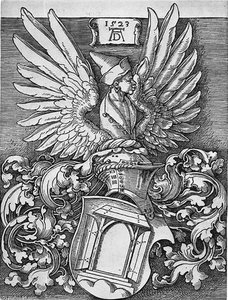
The Soul of the Burin: Understanding the Intaglio Tradition
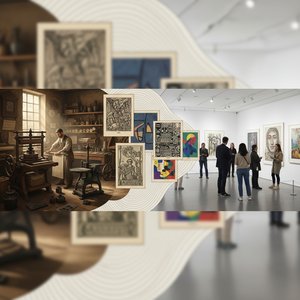
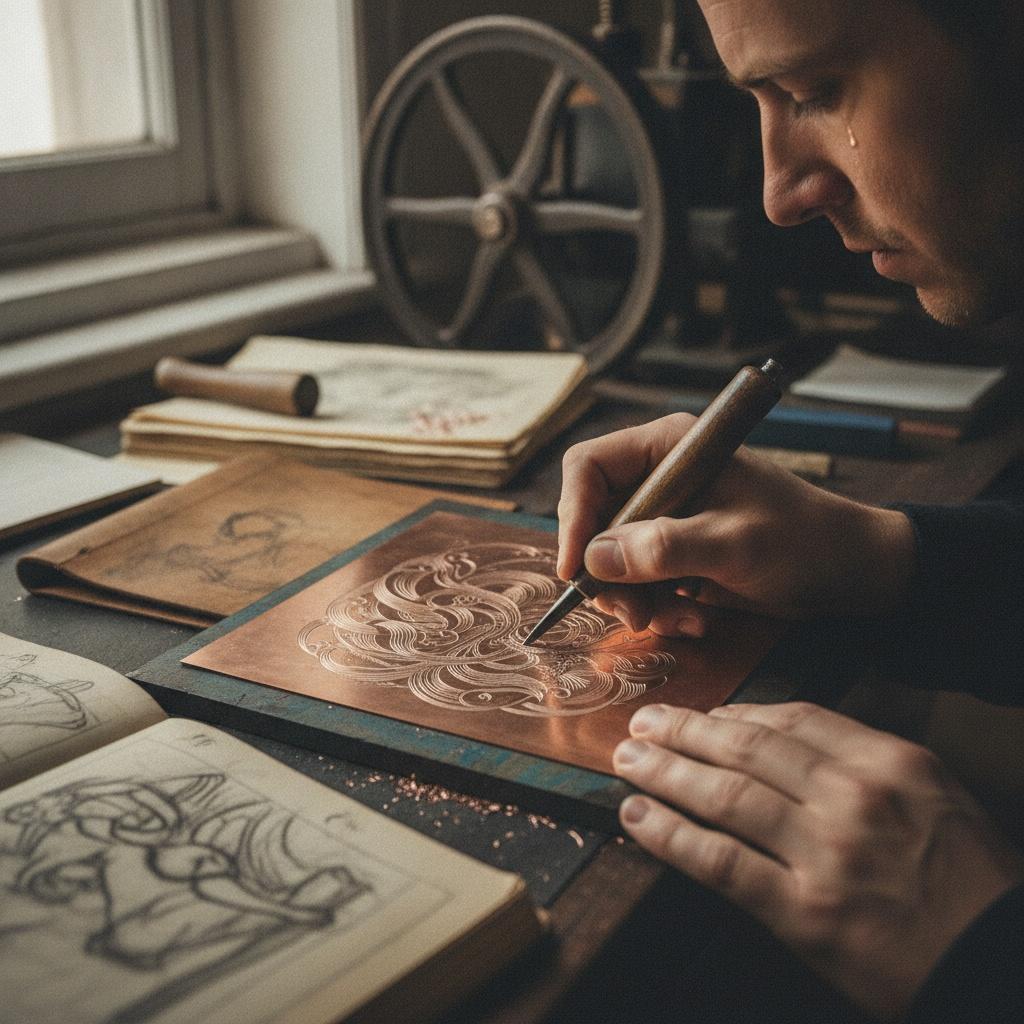
To step into the world of engraving is to enter a sanctuary of deliberate motion and profound patience. Unlike the spontaneous, sweeping gestures of an Impressionist brushstroke that captures a fleeting moment of light, the engraver works with a rhythmic, almost meditative discipline. At the heart of this practice lies the burin, a small, tempered steel tool capable of carving incisive paths into a copper plate. This is the essence of the intaglio tradition—a method where the image is not merely placed upon a surface, but etched deeply within it. There is a certain intimacy in this process, a quiet dialogue between the artist’s hand and the resistant metal, where every millimeter of progress requires an unwavering commitment to precision.
The beauty of intaglio lies in its ability to hold ink within the recessed grooves of the plate, allowing for a richness of tone that feels almost sculptural. When the paper is pressed against the inked metal, it reaches into those very valleys, pulling the pigment upward to create a print that possesses a unique, tactile soul. For the true enthusiast, there is a profound sense of wonder in realizing that the depth of a shadow or the delicate curve of a silhouette is a direct result of the physical pressure applied to the plate. It is an art form defined by permanence and the mastery of resistance, offering a structural elegance that serves as the foundational bedrock for much of Western printmaking history.
Mastering Light and Shadow: The Precision of Line and Texture
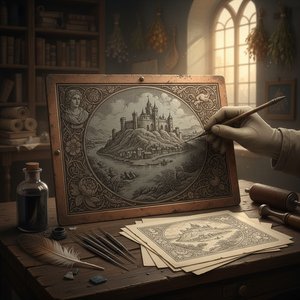
In the absence of color, the engraver must become a master of illusion, using nothing but the language of lines to conjure atmosphere and form. This is where the true artistry reveals itself—in the subtle manipulation of density and direction. Through the technique of hatching and cross-hatching, an artist can simulate the soft glow of moonlight or the heavy, velvet darkness of a nocturnal landscape. By varying the proximity of parallel lines, one can guide the viewer’s eye, creating a sense of volume that makes a two-dimensional surface appear to breathe with three-dimensional life.
Texture, too, finds its expression through these meticulous incisions. A master engraver does not simply draw a leaf; they compose a series of microscopic textures that suggest the crispness of its edges and the organic veins within its structure. This precision allows for an incredible range of aesthetic qualities, from the sharp, biting clarity of a portrait to the soft, atmospheric haziness found in more experimental etchings. It is a delicate dance of light and shadow, where the white of the paper acts as the brightest highlight, and the deepest, most concentrated ink creates the profound depths that anchor the composition. To observe such work is to witness the triumph of technical skill over the limitations of a monochromatic palette.
From Dürer to the Modern Era: A Journey Through Printmaking History
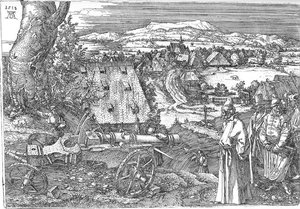
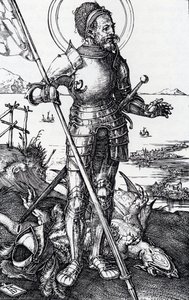
The history of engraving is a grand tapestry woven with the threads of innovation and artistic evolution. We look back to the Renaissance, where masters like Albrecht Dürer elevated the medium from a mere reproductive craft to a high art form capable of unparalleled complexity. Dürer’s ability to imbue even the smallest detail with symbolic weight and anatomical accuracy set a standard that would haunt the imaginations of artists for centuries. Following him, the era of the Baroque brought forth masters like Callot, who utilized the more fluid technique of etching to introduce a sense of drama and movement, allowing for more spontaneous, expressive narratives.
As we moved through the centuries, the medium continued to adapt, reflecting the changing sensibilities of each age. The precision of the 17th and 18th centuries gave way to the more emotive and experimental approaches of the modern era. We see this evolution in the works of artists like Mauricio Lasansky, who brought a powerful, contemporary intensity to the intaglio tradition, proving that the ancient language of the line could still speak to the complexities of the human condition. This lineage—from the structured discipline of the Old Masters to the expressive freedom of modern printmakers—reminds us that while techniques may shift, the fundamental allure of the engraved line remains an eternal constant in the history of human creativity.
The Tactile Legacy: Why Engraving Continues to Captivate the Collector
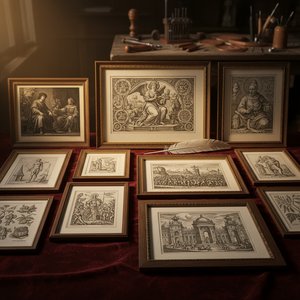
For the discerning collector, there is a singular pleasure found in the physical presence of a fine print. In an age dominated by the ephemeral and the digital, the engraved print offers something rare: a sense of permanence and weight. There is a palpable quality to the paper, often heavy and textured, which carries the physical imprint of the metal plate itself—a slight indentation known as the plate mark that serves as a hallmark of authenticity. This tactile connection creates an emotional resonance that a flat, modern reproduction simply cannot replicate.
Collecting these works is not merely about acquiring images; it is about preserving a piece of technical history. Each print is a testament to a moment of intense human focus. The collector finds value in the nuances—the way a certain line tapers into nothingness, or how the ink sits upon the fibers of the paper with a subtle luster. This appreciation for the "hand of the artist" is what drives the enduring legacy of the medium. To hold or to view an engraving is to engage with a physical artifact of craftsmanship, making it a cornerstone for any collection dedicated to the profound beauty of classical art.
Preserving the Impression: Bringing the Elegance of Fine Prints into the Home
Integrating the sophisticated aesthetic of fine prints into a contemporary living space requires a thoughtful approach to curation and preservation. Much like the cherished Impressionist canvases that bring light and emotion to a room, an exquisite engraving can serve as a focal point of quiet elegance. When displayed correctly, these works provide a sense of intellectual depth and historical continuity to a home. They invite conversation and contemplation, acting as windows into a more deliberate and artisanal era.
To ensure that these treasures endure for generations, one must respect the chemistry of art. Protecting prints from direct sunlight and utilizing acid-free matting is essential to prevent the fading of delicate tones and the yellowing of the paper. Whether you are arranging a multi-panel series to create a modern architectural statement or placing a single, masterful portrait in a quiet study, the goal is to create an environment where the art can breathe. By treating these works with the reverence they deserve, we do more than decorate a wall; we curate a legacy of beauty that continues to inspire all who enter our homes.
At Mus3ums.com, we are dedicated to making the grandeur of art history accessible to every enthusiast. From museum-quality reproductions to bespoke hand-painted oil commissions, our mission is to preserve human creativity for a modern audience. Whether you seek to transform a personal memory into a masterpiece or find the perfect piece to complete your collection, our expert artisans and consultants are here to guide your journey through the timeless world of fine art.