

what is the musee d'orsay must see?
The Musée d'Orsay in Paris, France, is a premier museum housing over 4,000 artworks created between 1848 and 1912. It is essential to see the Impressionist and Post-Impressionist masterpieces, including works by Monet, Renoir, and Van Gogh, housed within the historic architecture of the former Gare d'Orsay railway station.
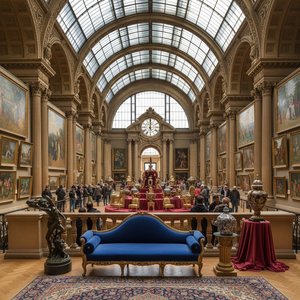
Located on the banks of the Seine, this institution serves as a bridge between the Louvre and the Centre Pompidou. The museum is organized across five floors, with three levels open to the public. Visitors can explore the following architectural and artistic features:
- The grand glass dome and a giant vintage clock.
- The ground-floor hall containing works from 1850 to 1870.
- The first floor, which retains tracks from its life as a train station.
- The second floor, formerly a VIP lounge.
- The third floor, which served as a hotel.
- Six bronze statues on the plaza representing the six continents.
which paintings are the highlights of the collection?
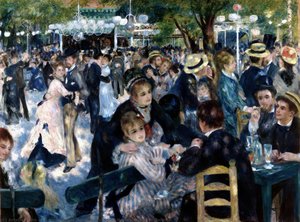 Dance at the Moulin de la Galette
Dance at the Moulin de la Galette, Pierre-Auguste Renoir
The collection's highlights include Édouard Manet’s Olympia, Pierre-Auguste Renoir’s The Great Bathers (The Nymphs), and Claude Monet’s Gare Saint Lazare, Paris. These works represent the evolution of light and color, alongside significant pieces by Paul Cézanne, Vincent van Gogh, and Edgar Degas.
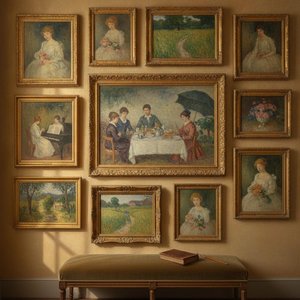
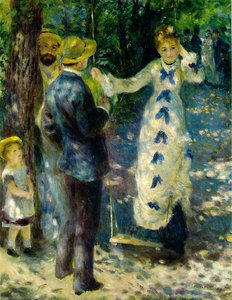
For those who find comfort in the soft, dappled light of the Impressionists, the museum offers several essential encounters. Renoir’s Dance at the Moulin de la Galette (1876) and his The Swing (1876) capture the ephemeral beauty of a summer afternoon. Monet’s studies of light and his fascination with industrial movement in Gare Saint Lazare, Paris are also central to the collection.
Other notable paintings include:
- Arrangement in Grey and Black. Portrait of the Painter's Mother by James Abbott McNeill Whistler.
- The Card Players by Paul Cézanne.
- Two Women on the Beach by Eugène Henri Paul Gauguin.
- Les Repasseuses (The Ironers) by Edgar Degas, painted between 1884 and 1886.
- Portrait d'Emile Zola by Édouard Manet (1868).
what art movements are represented in the museum?
 The Source
The Source, Gustave Courbet
The Musée d'Orsay represents the transition from Realism to Impressionism and Post-Impressionism. The collection spans nearly half a century of artistic creation, from 1848 to 1912, showcasing the shift from academic traditions toward the study of light, color, and the fleeting modern moment.
The museum's holdings are categorized by their historical and stylistic significance. The ground-floor hall focuses on the period from 1850 to 1870, featuring works that emphasize honest depiction and the observation of everyday life. This period is characterized by the Realist movement, exemplified by Gustave Courbet’s The Source (1868) and L'Origine du Monde.
As visitors move through the galleries, the focus shifts toward the revolutionary techniques of the late 19th century:
- Impressionism: Focused on capturing light and movement, seen in the works of Monet and Renoir.
- Post-Impressionism: Characterized by more structured or expressive investigations, including the works of Cézanne, Gauguin, and Van Gogh.
- Realism: Prioritizing the accurate depiction of subjects as they appear in daily life.
how should I plan my visit to see the most important works?
To see the most important works, visitors should plan for three to five hours and consider a chronological route. Starting on the ground floor to view Realist works and ascending to the upper levels to experience the height of Impressionism allows for a complete understanding of the era.
The museum is open from 9:30 AM to 6:00 PM, with admission ending at 5:00 PM. Because the museum is a major destination in Paris, it is recommended to book tickets in advance to avoid long queues. The museum is located on the left bank of the Seine, facing the Louvre.
For a curated experience, consider these tips:
- Follow the light: Observe how natural light filters through the grand glass dome onto the paintings.
- Chronological approach: Begin with the 1850–1870 collections on the ground floor before moving to the Impressionist galleries.
- Check the schedule: Ensure you arrive well before the 5:00 PM cutoff for admission.
Frequently asked questions
What is the history of the building?
The Gare d'Orsay was built for the 1900 World's Fair.
How many artworks are in the collection?
The museum houses a collection of over 4,000 artworks.
What time period does the collection cover?
The collection showcases artistic creations from 1848 to 1912.
Where is the museum located?
The museum is located on the banks of the Seine in Paris.
Learn more
- 1841 – 1919Pierre-Auguste RenoirImmerse yourself in the soft, luminous beauty of Renoir's celebrated Impressionist masterpieces.
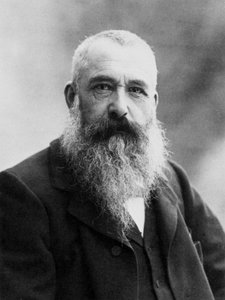
- 1840 – 1926Claude MonetCapture the fleeting light and color of Monet's iconic, soul-stirring landscapes.
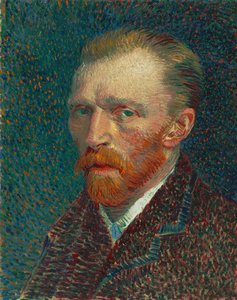
- 1853 – 1890Vincent Willem Van GoghExperience the profound emotion and vibrant, swirling brushwork of Van Gogh's genius.