The Quiet Elegance of John Theodore Heins Senior
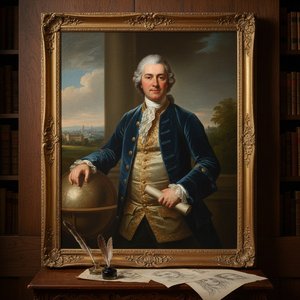
In the vibrant tapestry of eighteenth-century British art, where the flamboyant grandeur of Joshua Reynolds and the fluid grace of Thomas Gainsborough often command the spotlight, there exists a more intimate, contemplative voice. This is the voice of John Theodore Heins Senior (1697–1756), a portraitist whose work serves as a window into the psychological depth and social dignity of the Enlightenment era. While his name may not resonate with the same thunderous fame as his more celebrated contemporaries, Heins Senior offered a unique brand of visual storytelling, characterized by a meticulous devotion to detail and an uncanny ability to capture the very essence of his subjects—ranging from the scholarly elite to the powerful mayors of Norwich.
Born in London, Heins’s early years were shaped by the rigorous traditions of the English school. His artistic journey was profoundly influenced by his apprenticeship under Jonathan Richardson Sr., a master renowned for integrating theatrical composition with innovative perspectives. From Richardson, Heins inherited more than just technical proficiency; he learned the art of characterization. This foundational training instilled in him a respect for realism and an understanding of how light and shadow could be used to sculpt not just physical form, but the very soul of the sitter. As his career progressed, Heins moved away from mere imitation, developing a signature style that favored a restrained palette and a subtle gradation of tones reminiscent of the Old Master traditions.
Mastery of Light and Texture
The true brilliance of Heins Senior lies in his technical command over the medium of oil painting. Unlike the looser, more impressionistic brushstrokes that would later define much of British portraiture, Heins employed a painstaking method of building up layers of paint. This laborious process allowed him to achieve a remarkable luminosity and a textural complexity that makes his canvases feel almost tactile. His subjects are often bathed in a diffused, soft light, creating an atmosphere of serene contemplation that invites the viewer to linger.
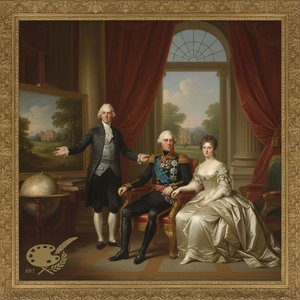
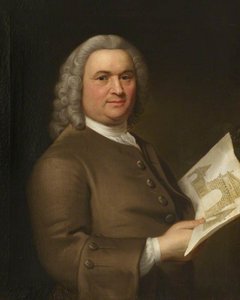
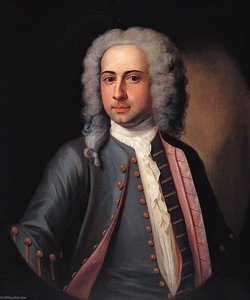
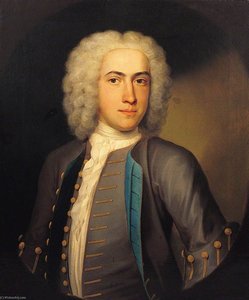
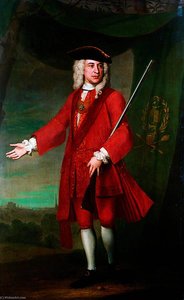
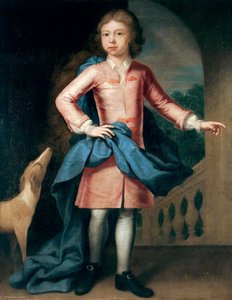
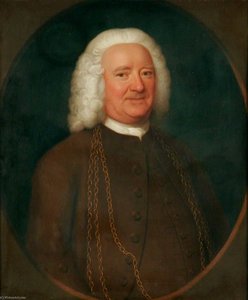
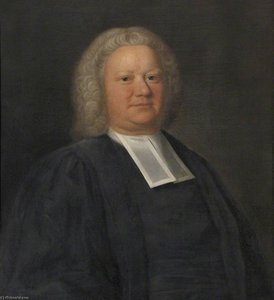
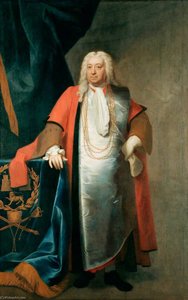
Central to his technique was the masterful use of chiaroscuro. By orchestrating the dramatic interplay between deep shadows and brilliant highlights, Heins could direct the viewer's eye toward the most expressive features of a face or the intricate textures of fine silk and lace. This precision is evident in several of his notable works:
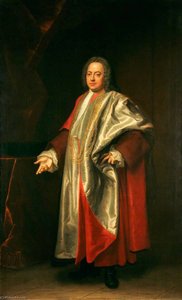
- Simeon Waller, Mayor of Norwich (1745): A stunning example of his ability to convey wealth and civic power through opulent detail and a sophisticated Baroque sensibility.
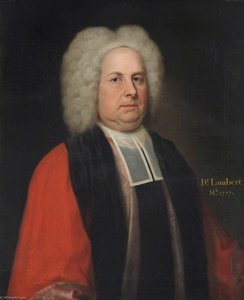
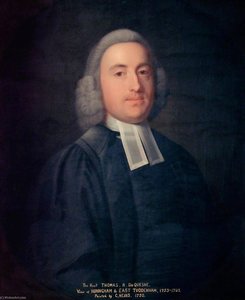
- Matthew Goss: In this portrait of a dignified clergyman, Heins showcases a profound connection to Dutch Golden Age realism, emphasizing the solemnity and spiritual weight of his subject.
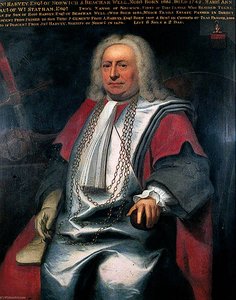
- Robert Marsh, Mayor of Norwich (1732): A stately piece that utilizes a Neoclassical elegance to highlight the status and social standing of the Norwich leadership.
A Legacy of Dignity and Detail
The historical significance of John Theodore Heins Senior resides in his role as a chronicler of an era defined by intellectual growth and social stratification. His portraits were more than mere likenesses; they were carefully constructed symbols of identity, intellect, and authority. Through his work, we gain insight into the architectural symbolism and the sartorial elegance that defined the 18th-century British upper classes and scholarly circles.
Though he may have been overshadowed by the more theatrical movements of his time, Heins Senior’s contribution to the canon of British portraiture remains indispensable. His ability to marry the precision of a craftsman with the sensitivity of an artist allowed him to create works that possess a timeless, quiet dignity. Today, as art historians revisit his oeuvre, they find a painter who did not seek to overwhelm the viewer with spectacle, but rather to enchant them through the profound beauty of truth and meticulous observation.
Въпроси и отговори
В коя историческа епоха е творил John Theodore Heins Senior?
John Theodore Heins Senior е творил в периода на Early Modern. Този период определя историческия контекст на творчеството на художника.