

Introduction
Cubism emerged in Paris during the early twentieth century, primarily through the collaborative work of Pablo Picasso and Georges Braque. This movement is divided into two distinct phases: Analytical Cubism, which flourished between approximately 1909 and 1912, and Synthetic Cubism, which began around 1912. Because these two stages were developed by the same artists as part of a continuous experiment, they are often compared or confused by students of art history.
The distinction between them lies in their fundamental approach to the canvas. Analytical Cubism is a process of deconstruction, where objects are broken down into small, overlapping planes and rendered in a muted, monochromatic palette. In contrast, Synthetic Cubism is a process of construction, utilizing brighter colors, simpler shapes, and the introduction of real-world materials through collage.
This article will help you identify the specific visual characteristics of each phase. You will learn to distinguish between the two by observing:
- The use of color, from monochromatic tones to vibrant hues.
- The complexity of the surface, moving from dense geometric grids to flat, layered shapes.
- The presence of tactile elements like paper, cloth, or wallpaper.
| Analytical Cubism | Synthetic Cubism | |
|---|---|---|
| Dates | c. 1909-1912 | c. 1912 onward |
| Where | Paris | Paris |
| Key painters | Pablo Picasso, Georges Braque | Pablo Picasso, Georges Braque, Juan Gris |
| Palette and light | Monochrome browns, greys, ochres and greens | Brighter colours and simpler shapes |
| Typical subjects | Guitars, bottles, sitters, and musical instruments | Still lifes with newspaper, sheet music, and labels |
| Technique | Breaking objects into small, overlapping planes | Building images from flat shapes and collage |
| One key work | Violin and Candlestick (1910) by Georges Braque | Still Life with Chair Caning (1912) by Pablo Picasso |
The Deconstruction of Form in Analytical Cubism
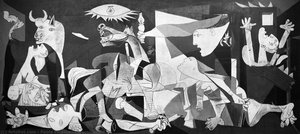 Guernica - Pablo Picasso
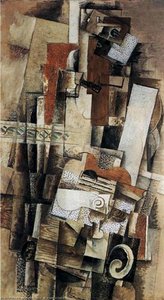
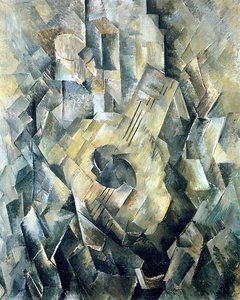 Mandola - Georges Braque
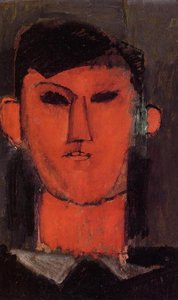 Portrait of Picasso - Amedeo Modigliani
Analytical Cubism emerged in Paris as a radical departure from traditional representation. Developed primarily between 1909 and 1912 by Pablo Picasso and Georges Braque, this phase of the movement focused on the systematic dissection of objects. Rather than depicting a subject from a single, fixed vantage point, these artists sought to represent the totality of an object by showing multiple viewpoints simultaneously. This was achieved by breaking figures and still lifes into a complex web of small, overlapping geometric planes.
To ensure the viewer focused on the underlying structure and form rather than surface decoration, the artists utilized a highly restricted, almost monochromatic color palette. This palette typically consisted of muted tones such as browns, greys, ochres, and greens. This technique helped prevent color from distracting from the rigorous geometric construction of the composition.
Several key works illustrate this method of fragmentation:
- Mandola (1910) by Georges Braque: An oil on canvas that deconstructs a musical instrument into a shimmering grid of facets.
- Portrait of Daniel-Henry Kahnweiler (1910) by Pablo Picasso: A work that demonstrates the use of interlocking planes to define a sitter.
- Ma Jolie (1911-1912) by Pablo Picasso: A painting where the subject nearly dissolves into a series of signs, such as stencilled words and a treble clef, requiring the viewer to read the image slowly.
This period of experimentation was heavily influenced by the structural explorations of Paul Cézanne, who had previously sought to find fundamental volumes—such as the cylinder, sphere, and cone—within nature. By applying these ideas to a more extreme degree, Picasso and Braque pushed the boundaries of how reality could be perceived on a flat surface.
The Construction of Imagery in Synthetic Cubism
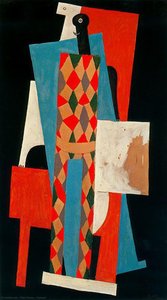 Harlequin - Pablo Picasso
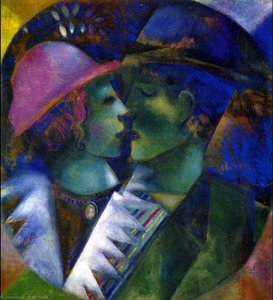 Green Lovers - Marc Chagall
While the earlier phase of Cubism focused on the dissection of objects, Synthetic Cubism (beginning around 1912) moved toward an additive method. Instead of breaking a subject down into many tiny, monochromatic facets, artists began to build new images by assembling simpler shapes and brighter colors. This shift changed the role of the artist from a deconstructor of reality to an architect of new forms.
A primary characteristic of this period was the introduction of collage and papier collé. This technique involved incorporating real-world materials directly onto the artwork, which challenged the traditional idea that a painting should only be an illusion of depth. Notable examples include:
- Still Life with Chair Caning (1912) by Pablo Picasso: Often cited as the first modern collage, this work features printed oilcloth that imitates the texture of chair caning, framed with a piece of rope.
- Fruit Dish and Glass (1912) by Georges Braque: This work utilized strips of faux-wood wallpaper, marking an early use of papier collé.
- Portrait of Picasso (1912) by Juan Gris: A work that demonstrates the more systematic and colorful approach taken by Gris, who was a key figure in the movement.
- Harlequin (1915) by Pablo Picasso: An oil on canvas that exemplifies the use of large, interlocking colored planes to represent a figure.
By using newspaper headlines, sheet music, and various textures, Synthetic Cubism allowed artists to use signs and symbols to represent objects rather than relying on realistic shading. This method emphasized the flatness of the canvas and paved the way for future movements like Dada and Constructivism.
Comparing Subtractive Dissection and Additive Synthesis
The transition from Analytical Cubism to Synthetic Cubism represents a shift from a subtractive method to an additive one. In the Analytical phase, which lasted roughly from 1909 to 1912, artists like Pablo Picasso and Georges Braque focused on dismantling objects. They used a process of dissection, breaking subjects into a complex web of overlapping, monochromatic planes. This method often caused the distinction between the subject and the background to dissolve into a shimmering grid of facets. Examples of this rigorous deconstruction include Braque’s Violin and Candlestick (1910) and Picasso’s Portrait of Daniel-Henry Kahnweiler (1910).
Synthetic Cubism, emerging around 1912, reversed this logic. Instead of taking an object apart, the artist began to build a new image through synthesis. This additive approach utilized simpler shapes, brighter colors, and a focus on materiality. This period introduced several key techniques:
- Collage: In 1912, Picasso created Still Life with Chair Caning, which is often considered the first modern collage. He glued printed oilcloth imitating chair caning onto the canvas and framed it with rope.
- Papier Collé: In the same year, Braque utilized strips of faux-wood wallpaper in his work Fruit Dish and Glass, marking the first use of papier collé.
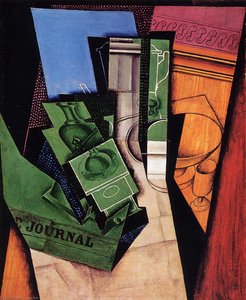
- Geometric Abstraction: Artists like Juan Gris became highly systematic in this style. His works, such as Portrait of Picasso (1912) and The Sunblind (1914), utilize crisp, colorful compositions to construct reality rather than dissect it.
While Analytical Cubism pushed fragmentation to the point of potential illegibility, Synthetic Cubism reintroduced clear signs and texture, fundamentally changing what a painting could be made of.
Conclusion
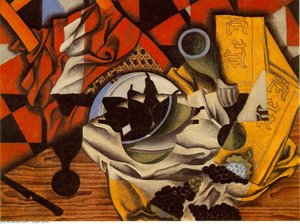
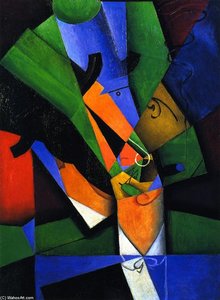
To distinguish these two phases while visiting a museum, a viewer can look for specific visual cues regarding color and surface. An Analytical Cubist work typically presents a dense, shimmering grid of small, overlapping planes. These paintings often use a muted, monochromatic palette of browns, greys, and ochres to keep the focus on the complex structure of the object. In contrast, a Synthetic Cubist work is easier to identify by its use of brighter colors and flatter, simpler shapes. You may also notice physical textures, such as pieces of wallpaper, newspaper, or cloth, which were integrated into the composition through collage.
Despite these differences, both movements share a fundamental goal: the rejection of traditional, single-point perspective. Whether through the subtractive dissection of an object or the additive construction of a new image, both phases sought to redefine how reality is represented on a flat canvas.
Explore these revolutionary works on our website.
Frequently asked questions
Who were the main Cubist painters?
Pablo Picasso and Georges Braque were the two young painters who invented Cubism in Paris. Juan Gris also became a systematic Synthetic Cubist, arriving in Paris from Madrid and living in the same building as Picasso.
How to tell Analytical Cubism and Synthetic Cubism apart?
Analytical Cubism uses a monochromatic range of browns, greys, ochres, and greens to break objects into small, overlapping planes. Synthetic Cubism uses brighter colors, simpler shapes, and real materials like newspaper or wallpaper to build an image through construction rather than dissection.
When did Cubism occur?
Historians divide the movement into two phases. Analytical Cubism occurred between 1909 and 1914. Synthetic Cubism began in 1912 and flourished through 1914.
What are famous Cubist paintings?
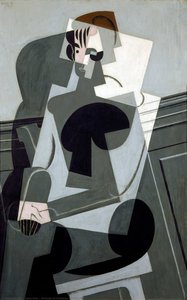
Famous Analytical Cubist works include Braque's Mandola (1910) and Picasso's Portrait of Daniel-Henry Kahnweiler (1910). Notable Synthetic Cubist works include Picasso's Still Life with Chair Caning (1912), Harlequin (1915), and Juan Gris's Portrait of Madame Josette Gris (1916).
Famous painters of Analytical Cubism
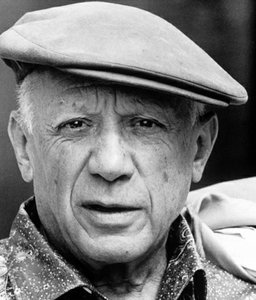
- 1881 – 1973Pablo Picasso
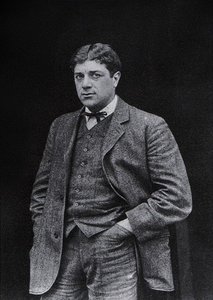
- 1882 – 1963Georges Braque
Famous artworks of Analytical Cubism
- Pablo Picasso · 1937Guernica
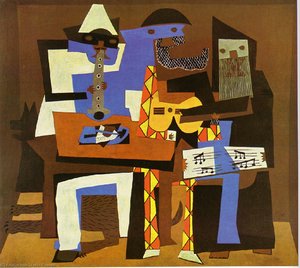
- Pablo Picasso · 1921Three Musicians
- Georges Braque · 1910Mandola
- Georges Braque · 1914Man with a Guitar
Famous painters of Synthetic Cubism
- 1887 – 1927Juan Gris
- 1881 – 1973Pablo Picasso
- 1882 – 1963Georges Braque
Famous artworks of Synthetic Cubism
- Juan Gris · 1916Portrait of Madame Josette Gris
- Juan Gris · 1913Pears and grapes on a table
- Pablo Picasso · 1937Guernica
- Pablo Picasso · 1921Three Musicians
- Georges Braque · 1910Mandola
- Georges Braque · 1914Man with a Guitar


