



A Subterranean Cathedral of Salt and Spirit
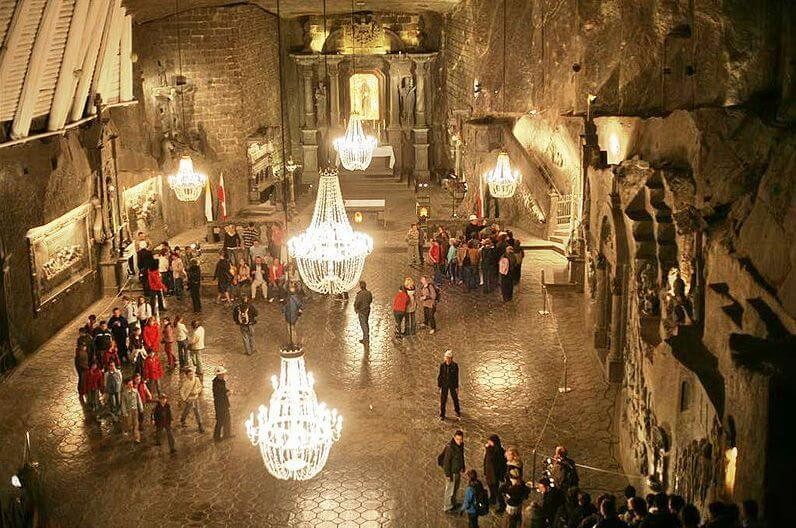
To descend into the Cracow Saltworks Museum is to leave the sunlit world behind and enter a realm where history is not merely recorded, but carved directly into the living earth. Nestled deep within the legendary Wieliczka Salt Mine, a UNESCO World Heritage site, this museum offers an experience that transcends the boundaries of traditional curation. It is a place where the geological and the spiritual converge, creating a subterranean sanctuary that feels more like a cathedral than a repository of artifacts. As visitors traverse the labyrinthine tunnels, they encounter a landscape shaped by centuries of human perseverance, where the very walls pulse with the stories of Neolithic pioneers, medieval miners, and Victorian engineers.
The architecture of the museum is an inseparable extension of the mine itself. There are no sterile white walls here; instead, the galleries follow the natural geological strata of the salt deposits, creating a sense of organic continuity between the art on display and the earth that cradles it. This unique setting provides an unparalleled atmosphere for those who appreciate the interplay between raw nature and human artistry. The sheer scale of the underground chambers, hollowed out from massive rock faces, evokes a profound sense of awe, reminding every observer of the monumental labor required to transform a dark, mineral-rich void into a space of sublime beauty.
The Artistry of the Earth: Collections and Craftsmanship
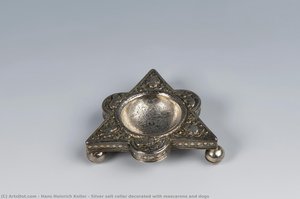
At the heart of the museum’s allure is its extraordinary collection, which serves as a testament to the cultural richness brought to these depths by generations of miners. Perhaps the most enchanting highlight for collectors and lovers of fine detail is the remarkable saltcellar collection. Spanning from the 17th century to the modern era, these approximately 800 pieces represent a masterclass in decorative arts. One might find the delicate elegance of Delftware porcelain adorned with intricate chinoiserie motifs standing in silent dialogue with ornate silver vessels that once graced the tables of European aristocracy. Each piece is a miniature window into the trade routes and aesthetic shifts of past centuries, reflecting a time when salt was as precious as gold.
Beyond these delicate treasures, the museum celebrates the rugged beauty of sculptural salt. The underground chambers are adorned with breathtaking sculptures depicting biblical scenes and historical figures, all meticulously hand-carved from the salt rock itself. These works possess a translucent, ethereal quality that changes with the flickering light, lending a ghostly, divine presence to the tunnels. This marriage of religious devotion and manual skill is further complemented by the museum's display of historical machinery. The "Polish" hoisting machine, a marvel of Victorian engineering, stands as a monument to industrial progress, illustrating how technological innovation once revolutionized the economic landscape of Poland.
A Living Legacy Beneath the Surface
What truly distinguishes the Cracow Saltworks Museum is its ability to function as a living chronicle of Polish identity. It is not a static monument to a dead era, but a vibrant space where recurring exhibitions breathe new life into the mine's storied past. These curated displays often explore the profound impact of mining on local communities and celebrate the evolving techniques of salt processing that have sustained this region for millennia. For the interior designer or the art enthusiast, the museum offers a profound lesson in how context defines beauty; here, the art is inseparable from its environment, much like the history of the mine is etched into every grain of salt.
To visit this museum is to embark on a transformative journey through the soul of Poland. It is an invitation to witness the triumph of human ingenuity over the darkness of the earth and to find beauty in the most unexpected of places. Whether one is drawn by the allure of rare porcelain, the grandeur of subterranean architecture, or the haunting echoes of ancient mining tools, the Cracow Saltworks Museum promises a sensory encounter that lingers long after one has returned to the surface.