Obsah
Základní informace
- Alternate names:
- Musée de lHospice
- Notre-Dame Hospital
- Works on APS: 3
- Featured artists: Enguerrand Charonton
- Location: Avignon, France
Umělci v sbírce

Enguerrand Quarton
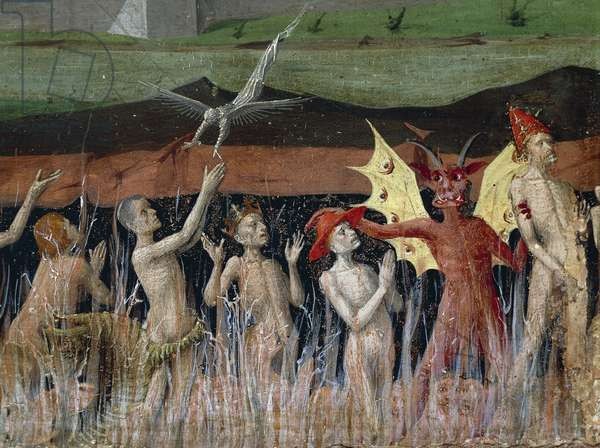
Explore the masterful works of Enguerrand Charonton, a 15th-century French artist renowned for his poignant Pietàs & religious scenes like 'The Coronation of Mary'. Discover his legacy!

Artový kvíz
U každé otázky je pouze jedna správná odpověď.
Otázka 1:
What was the original purpose of the Musée de l'Hospice when it was founded in 1237?
Otázka 2:
Which specific group of portraits forms the core of the museum's collection?
Otázka 3:
Who painted the monumental work 'Procession de Lille' in 1637?
Otázka 4:
What artistic technique is notably used in 'Procession de Lille' to create dramatic contrast?
Otázka 5:
The museum's collection includes exhibitions of which art movements besides Flemish traditions?
Související články
25 Must-See Masterpieces at the Uffizi Gallery: A Journey Through Renaissance Brilliance
Embark on a breathtaking journey through the Uffizi Gallery's finest. From Botticelli to Da Vinci, explore 25 iconic Renaissance masterpieces and their timeless stories. Find inspiration for museum-quality art reproductions and decor. Discover all masterpieces on Mus3ums.com.

25 Must-See Masterpieces at Vienna's Kunsthistorisches Museum
Explore 25 iconic works from Vienna's Kunsthistorisches Museum, from Vermeer to Rembrandt. Discover the full collection on Mus3ums.com.

25 Iconic Masterpieces by Henri de Toulouse-Lautrec: The Soul of Montmartre
Step into the vibrant nightlife of Montmartre with our curated guide to the top 25 Henri de Toulouse-Lautrec masterpieces. Explore the soul of Post-Impressionism through iconic posters and paintings. Find museum-quality reproductions for your decor at Mus3ums.com. Explore the full collection online.
Kolekce uměleckých děl
Nebyly nalezeny žádná umělecká díla.
© 2026 mus3ums.com