

A Sanctuary of Hungarian Soul
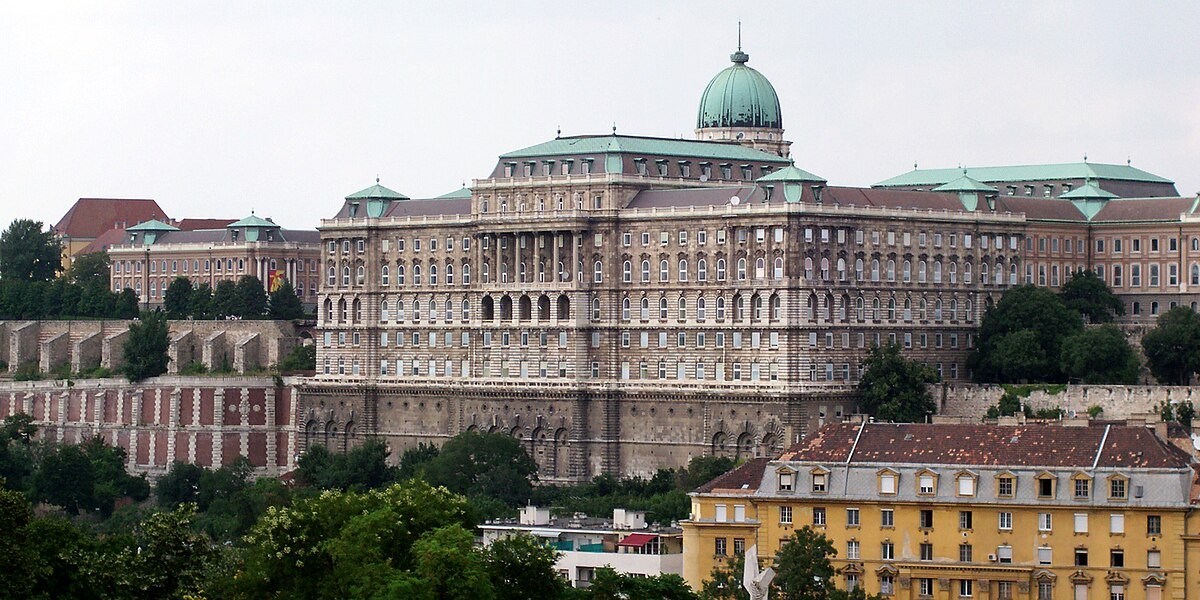
Within the formidable stone embrace of Buda Castle, where the panoramic vistas of Budapest unfold like a living canvas, lies a sanctuary that transcends the mere storage of paper and ink. The National Széchényi Library , or OSZK, is not simply an archive; it is a profound testament to Hungary’s enduring spirit and its unyielding devotion to the preservation of intellectual beauty. To step through its doors is to enter a realm where history whispers from the vellum of ancient manuscripts and the very air seems heavy with the weight of centuries of scholarly pursuit. The architectural experience of the library is one of harmonious grandeur, blending the stately elegance of Baroque design with the functional dignity required of a premier European research institution. As part of the UNESCO World Heritage site of Buda Castle, the library’s physical presence is inextricably linked to the royal history of the nation. The meticulously preserved spaces offer a sense of quiet reverence, where the sunlight filters through grand windows to illuminate corridors that have hosted generations of thinkers, and poets.
The true heartbeat of this institution resides in its incomparable hungarica collection—a treasure trove of materials that are uniquely Hungarian in language, theme, and origin. For the connoisseur of history and the lover of fine craftsmanship, the library offers an immersive journey through the layers of Central European identity. The collection is a masterclass in how structural majesty can serve to elevate the precious contents held within its walls, presenting a narrative that is both deeply local and broadly significant to the world of humanities.
Treasures of the Written Word
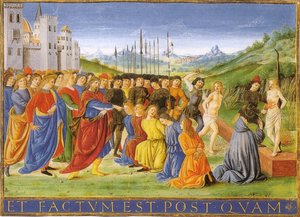
Collectors and historians find themselves breathless before the sheer depth of the library's holdings, which span from the dawn of printing to the modern era. The collection is characterized by its rarity and its ability to transport the visitor through time via the tactile beauty of ancient media. Notable highlights include:
- The Incunabula Collection: A breathtaking assembly of approximately 1,800 volumes printed before the year 1500, featuring a poignant fragment of the Gutenberg Bible that serves as a cornerstone of printing history.
- The Antiqua Collection: An expansive window into the Renaissance, containing around 13,000 items from the 16th century, including the captivating first edition of Nostradamus’s The Prophecies .
- The Apponyi Collection: A journey through cartographic history, featuring the Tabula Hungariae , one of the earliest surviving printed maps of Hungary, capturing the burgeoning spirit of exploration during the Habsburg era.
- The Vizsoly Bible: A sacred legacy representing the first complete translation of the Bible into Hungarian, a monumental achievement of humanist ideals.
Beyond these specific treasures, the library guards the Chronica Hungarorum —the very first book published in Hungary—and various medieval manuscripts that act as the foundational stones of national culture. It is a place where the past is not merely remembered but actively lived, offering an unparalleled experience for anyone seeking to understand the profound, enduring narrative of the Hungarian people.