The Dawn of Witness: From Daguerreotypes to the Birth of Visual Record
 History of photography
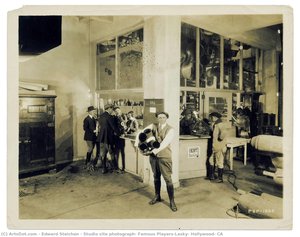
The history of photography began with the discovery of two critical principles: The first is camera obscura image projection; the second is the discovery that some substances are visibly altered by exposure to light. There are no artifacts or descrip...
Before the term documentary photography had even solidified within the lexicon of art, a nascent force was already stirring within the earliest iterations of photographic technology. The history of photography did not begin with an intent to tell stories, but rather with the scientific discovery of light-sensitive principles. From the early experiments of Johann Heinrich Schulze to the more permanent, albeit fragile, traces left by Thomas Wedgwood, the medium was initially a pursuit of chemistry and physics. However, as the daguerreotype and calotype emerged, they offered something far more profound than mere technical curiosities; they became windows into worlds previously unseen.
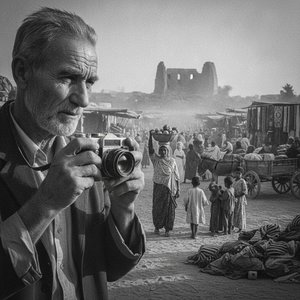
In these early decades, the camera acted as an unblinking eye, capturing the stark reality of ruins in Egypt or the untamed expanses of the American wilderness. These were not merely portraits or landscapes; they were the first attempts at a visual archive. While the technology was often cumbersome and required long exposures that rendered movement impossible, the impulse to record what existed—to freeze a moment of light upon a metal plate—laid the foundation for all subsequent truth-telling. This era established the camera as a tool of unprecedented power, capable of bringing the distant and the ancient into the immediate presence of the viewer, effectively initiating the era of the global visual witness.
The Social Conscience: Photography as a Catalyst for Reform and Change
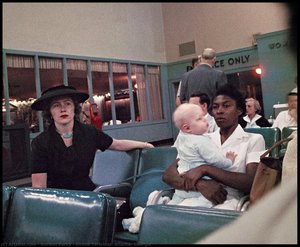
Social documentary photography or concerned photography is the recording of what the world looks like, with a social and/or environmental focus. It is a form of documentary photography, with the aim to draw the public's attention to ongoing social is...
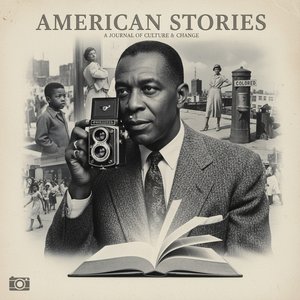
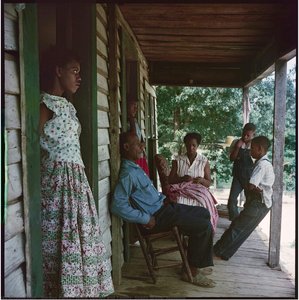
As the nineteenth century progressed, the photographic lens began to turn inward, focusing not just on distant wonders but on the pressing, often uncomfortable, realities of human existence. This gave rise to what we now recognize as social documentary photography, or "concerned photography." It was a movement driven by a moral imperative: to use the image as a tool for social and environmental reform. Pioneers such as Jacob Riis and Lewis Hine utilized the camera to expose the harrowing conditions of urban poverty and child labor, forcing the public to confront the systemic injustices hidden within the shadows of industrial progress.
The true weight of this movement was perhaps most poignantly felt during the American Civil War. Photographers like Mathew Brady and Alexander Gardner did not merely document battlefields; they presented the brutal, unvarnished cost of conflict. Their images of fallen soldiers and desolate landscapes stripped away the romanticized notions of war, replacing them with a heavy, undeniable gravity. This tradition of using photography to draw attention to the underprivileged or the disadvantaged became a cornerstone of the medium. By capturing the life of those often excluded from traditional artistic representation, documentary photography transformed from a passive recording device into an active participant in the struggle for social justice and human rights.
Mastering the Narrative: The Evolution of Style from Monochrome to Cinéma Vérité
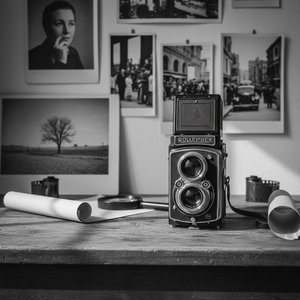 Monochrome Visions: Exploring the Aesthetic & Historical Significance of Black & White Photography
The Genesis of Grayscale: Early Photography & the Birth of Monochrome Wikipedia: Monochrome photography Monochrome photography is photography where each position on an image can record and show a different amount of light (value), but not a different...
The aesthetic evolution of documentary photography is a journey through the interplay of light, shadow, and technical innovation. For much of its history, the medium was defined by the monochrome vision of black and white. This was not initially an artistic choice but a technological necessity; the early world was rendered in shades of gray because color-sensitive emulsions were yet to be perfected. Yet, within this grayscale realm, photographers found an extraordinary depth of tone and a dramatic use of contrast that could convey profound emotion and structural clarity.
As technology advanced, so too did the stylistic approaches to storytelling. The transition from the rigid, long-exposure requirements of early processes to the flexibility of modern film allowed for the birth of cinéma vérité styles in photography—a method prioritizing spontaneity and unfiltered observation. This approach eschews staged settings in favor of candid portrayals, capturing genuine human interaction and the subtle nuances of expression. Whether through the heavy, textured shadows of a monochrome print or the naturalistic light used to illuminate a subject's face, the mastery of style has always been about more than aesthetics; it is about finding the precise visual language required to communicate the truth of the human condition.
Capturing the Ephemeral: Preserving Vanishing Cultures and Landscapes
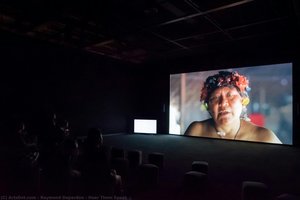 Hear Them Speak
Hear Them Speak: A Portrait of Resilience Raymond Depardon’s “Hear Them Speak” isn't merely a photograph; it’s an invitation into the quiet dignity of disappearing cultures—specifically, the Kawésqar people of Chile. Captured in 2008, this striking i...
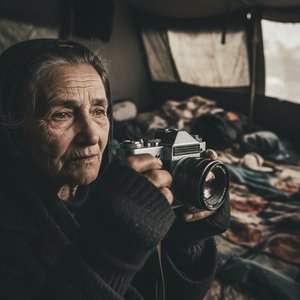
One of the most noble legacies of documentary photography lies in its ability to act as a sanctuary for the ephemeral. There is a profound, often heartbreaking beauty in the documentation of disappearing cultures and habitats. Projects like the Ephemera documentary or Raymond Depardon’s work with the Kawésqar people of Chile serve as vital testaments to this mission. Through the lens, we are invited into the quiet dignity of communities facing the pressures of globalization, environmental degradation, and political instability.
These images do more than just record; they preserve memory and language. When a photographer captures a woman speaking her native tongue or a man adorned in traditional floral headpieces, they are creating a visual archive of a way of life that may soon vanish. This form of photography utilizes the power of the image to foster an intimate connection between the viewer and the subject, bridging the gap between disparate worlds. By documenting the beauty and vulnerability of these fragile ecosystems and traditions, documentary photography ensures that even as landscapes change and cultures shift, their essence remains etched in our collective visual consciousness.
The Enduring Legacy: Documentary Photography in the Modern Era and Beyond
 Documentary Photography's Defining Moments: 10 Masterpieces for Your Home |
Introduction To gaze upon these ten photographs is to witness history breathed into life, frozen moments that continue to resonate with raw power and profound empathy. They are not merely images; they are portals—windows into worlds often unseen, voi...
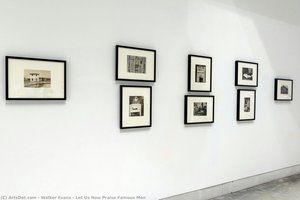
Today, the legacy of documentary photography continues to resonate with raw power and profound empathy. In an age of digital saturation, the core mission remains unchanged: a commitment to truth-telling and a dedication to social awareness. The medium has evolved from the heavy glass plates of the nineteenth century to the high-resolution digital sensors of today, yet the fundamental belief in the ability of a single frame to ignite change remains the heartbeat of the craft. We see this legacy in everything from large-scale museum exhibitions to the personal collections that bring history into our homes.
The power of these images lies in their ability to act as portals—windows into worlds often unseen and voices for those frequently unheard. They challenge us to confront uncomfortable truths, to question our assumptions, and to recognize the shared humanity that binds us all across time and circumstance. As we continue to navigate a rapidly changing world, the documentary tradition stands as an essential guardian of our history, ensuring that every face tells a story, every landscape holds a memory, and every significant moment deserves to be witnessed by generations to come.
At Mus3ums.com, we believe that the profound emotions captured in historical photography deserve to be celebrated through the timeless medium of oil painting. While photography captures the fleeting moment, a hand-painted reproduction offers a tactile, enduring connection to history. Our master artists specialize in recreating the depth, texture, and soul of significant works on 100% cotton canvas. Whether you wish to transform a historical photograph into an impasto masterpiece or commission a custom portrait that echoes the gravity of the great documentary masters, we invite you to bring the weight of history into your personal space.