


The Alchemy of Pigment: Understanding the Chemistry and Longevity of Oil Media
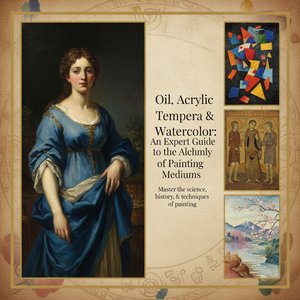 Oil, Acrylic, Tempera & Watercolor: An Expert Guide to the Alchemy of Painting Mediums
The Alchemy of Pigment: Understanding the Chemistry and Longevity of Oil Media The Chemistry of Permanence: Why Fine Art Survives the Test of Time The Alchemy of Pigment: The Molecular Foundation of Color Mastering the Brush: The Timeless Secrets of ...
To gaze upon a classical masterpiece is to witness more than mere aesthetic triumph; it is to observe a profound chemical achievement. The enduring brilliance of the Old Masters relies upon a delicate alchemy where pigment meets binder in a dance of molecular stability. Long before the advent of modern synthetic laboratories, the history of art was, in essence, a history of alchemy. The vibrant hues that continue to captivate the modern collector were born from a meticulous search for stable minerals and precious earth elements. This foundational chemistry allows light to dance within the paint layers, creating a luminous, multidimensional effect that remains unsurpassed by contemporary alternatives.
At the heart of this permanence lies the much-celebrated oil medium. The true revolution in Western art occurred when masters such as Jan van Eyck perfected the technique of glazing. By meticulously layering translucent glazes of oil over a prepared surface, these artists achieved an unprecedented depth of color and structural integrity. This process is not merely about pigment; it is about the science of permanence. Understanding how pigments—the very soul of color—interact with drying oils like linseed or safflower to create a durable, flexible matrix is essential for any serious collector. When we observe the deep, celestial blues of an Old Master work, we are often seeing the legacy of lapis lazuli, ground into a fine powder to create ultramarine, a pigment once valued more than gold. The mastery of the painter lay in ensuring that this molecular bond would withstand the erosion of centuries.
The Disciplined Glow: The Ancient Artistry and Precision of Egg Tempera
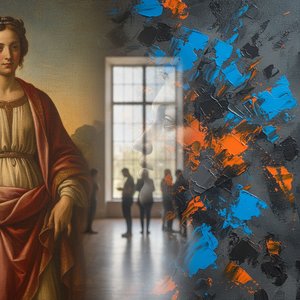
 Ancient Greece02(Girl from Tanagra)
Experience Gustav Klimt's 'Ancient Greece02(Girl from Tanagra)' – a captivating symbolist masterpiece celebrating feminine beauty and strength. Own a stunning, hand-painted reproduction of this iconic Viennese Secession work.
Before the dominance of oil, there existed a medium defined by its rigorous discipline and ethereal luminosity: egg tempera. This ancient technique requires an almost monastic level of precision, as the artist works with a fast-drying emulsion of pigment and egg yolk. Unlike the slow, blending capabilities of oil, tempera demands a meticulous application of fine, hatched strokes. Each layer must be applied with extreme care to build up depth, creating a surface that possesses a unique, matte brilliance and a clarity of detail that is almost otherworldly.
The beauty of tempera lies in its disciplined glow. Because the medium dries almost instantly upon contact with the panel, it does not allow for the soft transitions seen in later eras; instead, it forces the artist into a rhythmic, patterned approach to light and shadow. This creates a sense of permanence and structural clarity that characterizes much of the early Renaissance. For the collector, understanding tempera is about appreciating the tension between the fragility of the organic binder and the incredible durability of the resulting paint film. When executed with academic excellence, temperament works offer a window into a period where artistry was inseparable from a profound, meditative devotion to material truth.
Modern Versatility: Exploring the Fluidity and Layering of Acrylics
 The Chemistry of Permanence: Why Fine Art Survives the Test of Time
The Alchemy of Pigment: The Molecular Foundation of Color Mastering the Brush: The Timeless Secrets of Old Master Oil Painting Techniques The Alchemy of Pigment: Understanding the Chemistry and Longevity of Oil Media To understand the enduring brilli...
The advent of acrylic media represents one of the most significant shifts in the history of the palette, introducing a level of versatility and speed that revolutionized modern expression. Unlike the slow-drying oils or the rigid tempera, acrylics utilize synthetic resins that allow for an extraordinary range of textures—from the thinnest, watery washes to thick, impasto applications that mimic the heavy weight of traditional oils. This medium offers a unique fluidity, enabling artists to capture the fleeting energy of contemporary life with a boldness that was previously difficult to achieve.
In the realm of modern collecting, acrylics are celebrated for their adaptability and their ability to bridge the gap between classical technique and contemporary abstraction. The polymer binders allow for rapid layering, which can create complex, multi-dimensional surfaces in a fraction of the time required by traditional methods. While some purists may long for the slow maturation of oil, the modern master uses acrylics to explore vibrant, saturated color palettes and sharp, graphic edges. It is a medium of innovation, providing a canvas for the exploration of new textures and the bold, experimental spirit that defines much of our current artistic landscape.
Ephemeral Beauty: Capturing Light and Atmosphere through Watercolor
 From the Town Hall, Stockholm
Admire "From the Town Hall, Stockholm" by Robin Darwin – a captivating watercolor from 1936. Explore this elegant landscape & Darwin's artistic legacy.
If oil painting is an exercise in building substance, watercolor is an art of surrender. It is perhaps the most challenging of all mediums, as it requires the artist to work with transparency and the unpredictable nature of water. In watercolor, the white of the paper becomes a vital component of the light itself. There is no hiding a misplaced stroke; the medium demands a profound intimacy between the artist’s intention and the fluid movement of the pigment across the grain.
The allure of watercolor lies in its ability to capture the ephemeral—the soft glow of a morning mist, the translucent quality of a petal, or the atmospheric haze of a distant landscape. It is a medium of light and air. The artist must master the delicate balance of moisture, controlling how colors bleed into one another to create soft, luminous transitions. For the collector, a watercolor masterpiece offers a sense of poetic lightness and an evocative emotional resonance that heavier mediums cannot replicate. It is a testament to the beauty of the transient, capturing moments of sublime tranquility that feel as though they might vanish with the next breath.
Medium Specificity in Curation: How Materiality Defines Artistic Value
Medium specificity is a consideration in aesthetics and art criticism. It is most closely associated with modernism, but it predates it. == Overview == According to Clement Greenberg, who helped popularize the term, medium specificity holds that "the...
In the sophisticated discourse of art criticism, the concept of medium specificity holds that the true power of an artwork is found in its ability to manipulate the unique features of its own material. An artwork achieves its highest potential when it embraces the inherent qualities of its medium—the literal flatness of a modern abstraction or the rich, sculptural depth of an oil impasto. This principle suggests that the value of a piece is inextricably linked to how well the artist utilizes the "truth" of their materials.
For the discerning collector, recognizing medium specificity is essential for evaluating both aesthetic and investment value. A painting that fights against its medium—for instance, attempting to achieve photographic realism with a highly fluid watercolor—may lack the structural integrity found in works that celebrate their materiality. When we curate a collection, we are not merely collecting images; we are collecting the physical manifestations of artistic mastery over substance. The weight, texture, and chemical character of the paint contribute to the "soul" of the work, making the medium an active participant in the narrative of the art.
Preserving the Legacy: A Collector’s Guide to Conservation and Material Integrity
 Preserving Masterpieces: The Definitive Guide to the Conservation and Handling of Fine Art
The Science of Permanence: Understanding Pigments, Binders, and Material Integrity The Chemistry of Permanence: Why Fine Art Survives the Test of Time The Alchemy of Pigment: The Molecular Foundation of Color Mastering the Brush: The Timeless Secrets...
The ultimate responsibility of the collector is the stewardship of beauty. To preserve a masterpiece, one must understand the science of its survival. The longevity of fine art is a matter of protecting the delicate chemical bonds between pigment and binder from environmental aggressors. Factors such as UV exposure, fluctuations in humidity, and atmospheric pollutants can all threaten the structural integrity of the paint film, leading to phenomena such as yellowing, cracking, or pigment degradation.
True preservation involves both preventive measures and an appreciation for conservation science. Professional collectors prioritize works that have been executed with archival excellence—using flexible gessoes to prevent cracking and stable oils to ensure color permanence. When acquiring reproductions, such as the exquisite hand-painted oils offered by Mus3ums.com, it is vital to ensure they are finished with protective layers, such as a coat of Damar varnish, which shields the surface from dust and moisture. By understanding the chemistry of the materials and implementing proper environmental controls, we ensure that these triumphs of human creativity continue to inspire generations to come.