
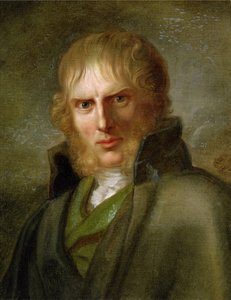

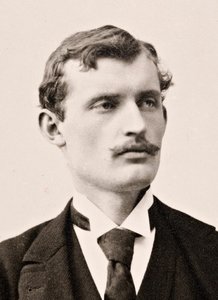
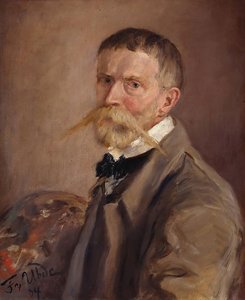
Overview of Art Collections Chemnitz
Located in Chemnitz, Germany, Art Collections Chemnitz represents one of the largest civic art collections in the country. The Kunstsammlungen am Theaterplatz encompass a wide breadth of artistic production, spanning various genres from painting and sculpture to graphic art and decorative art. This breadth allows for a continuous dialogue between different media and historical periods within the same institution.
A specific focus is placed on textiles, which form a significant part of the holdings. The collection also contains works by Georg Baselitz and Edvard Munch, placing the museum within a broader European context of modern and contemporary expression. The presence of these works alongside diverse decorative arts creates a space where the material qualities of art are as important as their subject matter.
The Painting and Sculpture Collections
The painting collection, which began in the late 18th century, comprises nearly 1,400 works. It contains significant examples from the Romantic period and transitions into French and German Impressionist painting around 1870. These canvases offer a study of light and form through the hands of Max Slevogt, Max Liebermann, Fritz von Uhde, Wilhelm Trübner, Gotthardt Kuehl, and Robert Sterl. The presence of these works allows for a quiet observation of the shifting stylistic currents that moved through Europe during the 19th century.
Symbolism finds a dedicated place within these walls through the works of Max Klinger, Sascha Schneider, Oskar Zwintscher, and Hans Unger. These pieces provide a different kind of weight to the collection, focusing on the psychological and the symbolic. Alongside these paintings, the sculpture collection consists of approximately 350 works, contributing to the physical depth of the holdings. The arrangement of these objects creates a dialogue between the two-dimensional surface and the three-dimensional form.
- Segelschiff, about 1815 - Caspar David Friedrich
- Käte and Hugo Perls, 1913 - Edvard Munch
- The Violinist, 1900 - Lovis Corinth
Significant Works and Artists
The collection holds a profound presence of the Romantic period, most notably through the presence of Caspar David Friedrich. His work Segelschiff (about 1815) offers a quiet encounter with the sea. Nearby, Carl Gustav Carus provides a different perspective through Blick auf Dresden bei Sonnenuntergang. These works exist alongside the expressive contributions of Edvard Munch and the portraiture of Lovis Corinth. The presence of Max Slevogt further anchors the collection within the shifts of the late 19th and early 20th centuries.
A significant portion of the holdings is dedicated to the development of German modernism, specifically through the Brücke artists. This group's influence is felt strongly through the works of Ernst Ludwig Kirchner and Erich Heckel. The collection maintains a deep connection to the local landscape and history through the works of Karl Schmidt-Rottluff, who was born and raised in Chemnitz. His paintings and sculptures provide a direct link to the city's own artistic lineage.
- Segelschiff, about 1815 - Caspar David Friedrich
- Käte and Hugo Perls, 1913 - Edvard Munch
- The Violinist, 1900 - Lovis Corinth
- Portrait of Sibylle of Cleve, 1532 - Lucas Cranach the Elder
Exhibitions and Public Programs
The museum offers a structured way to experience the collections through public tours held every Saturday and Sunday. These guided walks are included in the museum entrance fee, allowing for a quiet contemplation of the works on display. To maintain an intimate atmosphere, each tour is limited to a maximum of 24 persons. Such small groups allow for a closer presence before the paintings and sculptures held within the halls.
Current programming includes the exhibition Best of I: Curator’s Choice. This selection focuses on expressionist works and features a significant presentation of works by Otto Dix. The exhibition provides an opportunity to encounter these specific movements within the context of the museum's holdings. Additionally, the Alfred Gunzenhauser collection is hosted at the Museum Gunzenhauser, offering another layer to the institutional offerings.


