
A Journey Through Faith and Form: Exploring the Iglesia de San Pablo in Valladolid
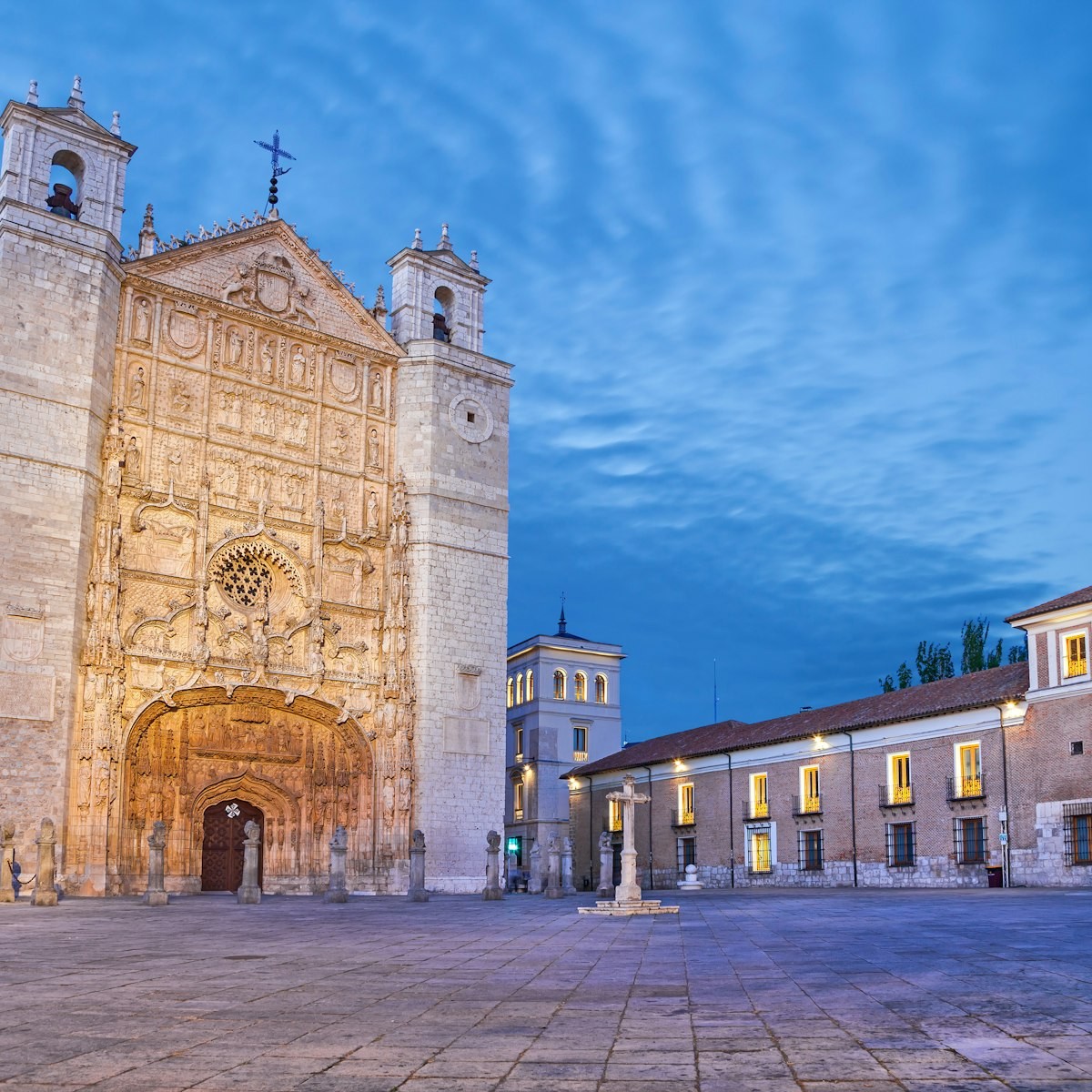
The Iglesia de San Pablo in Valladolid stands as more than just a church; it’s a profound testament to Spain's artistic evolution, a layered chronicle of religious fervor, royal lineage, and architectural innovation. Nestled within the heart of this historic city, its walls whisper tales of centuries past – from the fervent zeal of the Dominican order to the opulent patronage of Spanish monarchs. This remarkable building, a masterful blend of Isabelline Gothic, Plateresque detail, and Renaissance influences, offers visitors an immersive experience into the soul of Spain’s artistic heritage.
The church's story begins in the mid-15th century, commissioned by Cardinal Juan de Torquemada as a replacement for an earlier wooden structure. This ambitious undertaking quickly evolved into a sprawling complex, reflecting the architectural trends and religious sensibilities of its time. The Isabelline Gothic style, characterized by soaring heights, pointed arches, and intricate tracery, dominates the exterior, immediately conveying a sense of grandeur and spiritual aspiration. However, closer inspection reveals the subtle yet striking influence of Plateresque ornamentation – a technique borrowed from goldsmiths, resulting in an abundance of elaborate carvings, delicate foliage motifs, and shimmering metallic accents that adorn the façade and interior elements. These details aren’t merely decorative; they represent a deliberate effort to elevate the church's beauty and imbue it with a sense of divine splendor.
Treasures Within: Gregorio Fernández and the Power of Emotion
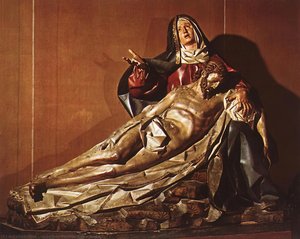
The true heart of the Iglesia de San Pablo lies within its interior, where a collection of masterpieces by Gregorio Fernández commands attention. Fernández, a renowned Spanish sculptor of the late 15th and early 16th centuries, possessed an extraordinary ability to capture human emotion with breathtaking realism. His sculptures are not simply representations of biblical figures; they are imbued with palpable feeling – sorrow, piety, and profound contemplation. The centerpiece of this collection is undoubtedly “Cristo Yacente” (The Recumbent Christ), a profoundly moving depiction of the resurrected body of Jesus. Fernández’s mastery of anatomy and his nuanced portrayal of suffering create an experience that transcends mere artistic skill; it's a deeply affecting encounter with faith and mortality.
Beyond “Cristo Yacente,” other sculptures by Fernández, including depictions of saints and biblical scenes, showcase his remarkable talent. The figures are remarkably lifelike, their expressions conveying a range of emotions – from serene devotion to intense anguish. These works demonstrate Fernández’s commitment to portraying the human condition with honesty and sensitivity, solidifying his place as one of Spain's most significant sculptors.
A Royal Past: Baptismal Sites and Historical Significance
The Iglesia de San Pablo holds a unique position in Spanish history due to its role as the site where members of the royal family were baptized. Kings Philip II and Philip IV, two of Spain’s most influential monarchs, received their baptism within these very walls, imbuing the church with an added layer of historical significance. This connection to the Spanish crown underscores the importance of Valladolid as a center of power during the 16th century.
Furthermore, the church's foundations date back to a period of significant religious and political upheaval in Spain. Originally part of a Dominican convent established in 1270, it was rebuilt under Cardinal Torquemada’s direction, reflecting the zealous spirit of the Spanish Inquisition. The church witnessed firsthand the dramatic shifts that shaped Spain’s destiny – from the rise of the Catholic monarchy to the challenges posed by religious reform and political instability.
Architectural Layers: A Symphony of Styles
What truly distinguishes the Iglesia de San Pablo is its remarkable fusion of architectural styles. The initial construction, rooted in Isabelline Gothic, gradually incorporated elements from Plateresque, Renaissance, and even Baroque periods. This evolution reflects the changing tastes and priorities of successive patrons – from Cardinal Torquemada to the Duke of Lerma – each contributing their own artistic vision to the church’s design. The careful layering of these styles creates a complex yet harmonious whole, demonstrating the adaptability and richness of Spanish architectural tradition.
Notable additions include the magnificent patronal tribune built by Juan de Nates in the early 17th century, adorned with intricate detailing and featuring a soaring dome. The church’s interior is a testament to the enduring legacy of skilled artisans and the transformative power of artistic patronage. A visit to the Iglesia de San Pablo is not merely a sightseeing excursion; it's a journey through time, offering a profound appreciation for Spain’s artistic heritage.