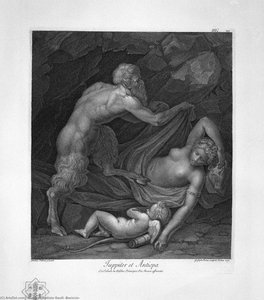
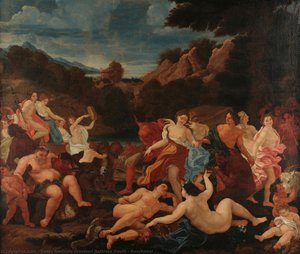
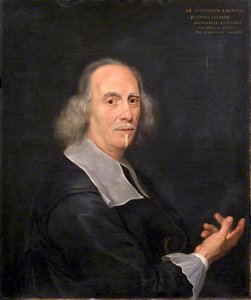
Giovanni Battista Gaulli (Detto Baciccio)

1639 - 1709

Kurzinfos

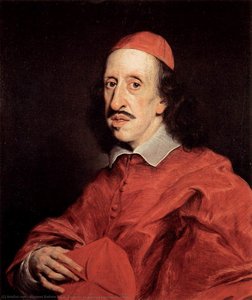
  • Top-ranked work: Kardinal Leopoldo de' Medici
  • Creative periods: mature period
  • Corpus themes:
    • bernini's theatrical illusionism
    • roman influence
  • Works on APS: 41
  • Lifespan: 70 years
  • Color intensity:
    • ausgewogen
    • monochrom
  • Movements: baroque
  • Museums on APS:
    • Louvre
    • High Museum of Art
    • Accademia di San Luca
    • Galleria degli Uffizi
    • City Art Gallery
  • Vibe: dramatisch
  • Mehr…
  • Copyright status: Public domain
  • Topics explored:
    • religious
    • baroque
    • divine grace
    • italian art
    • angels
  • Art period: – Frühe Neuzeit
  • Nationality: Italien
  • Typical colors: erdig
  • Also known as: Giovan Battista Gaulli
  • Mediums: ölfarbe
  • Died: 1709
  • Born: 1639, Italien

Giovanni Battista Gaulli (Detto Baciccio): Architect of Illusion

Giovanni Battista Gaulli, affectionately known as detto baciccio – “the little painter” – stands as a towering figure in the Baroque artistic landscape. Born in Genoa around 1639, his formative years were steeped in the intellectual ferment of the Renaissance and early Baroque, shaping him into an artist profoundly influenced by the monumental achievements of Gian Lorenzo Bernini. While biographical details remain somewhat elusive, Gaulli’s unwavering dedication to mastering his craft swiftly propelled him toward prominence within Rome's artistic circles.

Early Training and Artistic Style

Gaulli’s artistic education commenced under Bernini’s watchful eye at the Vatican atelier, absorbing the foundational principles of theatrical illusionism and sculptural grandeur – a legacy that would indelibly define his distinctive style. This profound influence is immediately apparent in his approach to painting; Gaulli eschewed meticulous realism, opting instead for a technique characterized by dramatic contrasts and vibrant hues. He prioritized emotional resonance above photographic accuracy, skillfully employing chiaroscuro—the masterful manipulation of light and shadow—to sculpt forms within the canvas, mirroring Bernini’s unparalleled sculptural prowess. This deliberate stylistic choice ensured that his paintings wouldn't merely depict scenes but actively engage the viewer’s senses and intellect.

Notable Works: Frescoes of St. Agnes

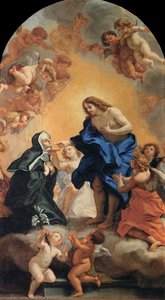
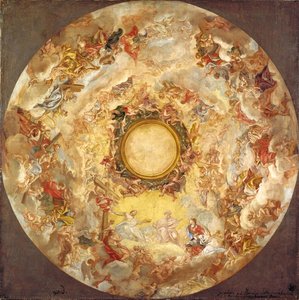
Gaulli’s enduring fame rests principally upon his monumental frescoes adorning the Basilica di San Pietro in Montorio – specifically, the Chapel of St. Agnes. Commissioned by Cardinal Scipione Borghese, this ambitious undertaking showcased Gaulli’s unsurpassed ability to execute illusionistic vault paintings that challenged conventional perspective and captivated audiences with their breathtaking grandeur. The chapel recounts the ascension of Saint Agnes into heaven—a narrative rendered with astonishing detail and imbued with palpable spiritual fervor. The fresco's central dome portrays Christ descending from Heaven to receive Agnes, surrounded by angels and saints – a sublime spectacle designed to inspire awe and reverence. This masterpiece cemented Gaulli’s reputation as Rome’s foremost illusionistic painter and remains a cornerstone of Baroque art history.

Expanding Horizons Beyond St. Agnes

Despite the Chapel of St. Agnes securing his place among artistic luminaries, Gaulli continued to produce significant works throughout his prolific career. He undertook commissions for churches across Rome – including Santa Maria Maggiore and San Giovanni Laterano – demonstrating remarkable versatility and adaptability within the Baroque aesthetic. His frescoes in these spaces further solidified his mastery of illusionistic techniques and underscored his unwavering commitment to conveying profound religious narratives with dramatic visual impact. Furthermore, Gaulli’s architectural designs complemented his artistic endeavors, contributing to the splendor and majesty of several Roman churches.

Legacy and Influence

Giovanni Battista Gaulli's influence extended far beyond his individual creations; he served as a pivotal catalyst in shaping the Baroque aesthetic itself. His pioneering use of illusionistic painting techniques established a precedent for subsequent artists who sought to emulate his masterful command of color, light, and perspective – a testament to his enduring artistic vision. Gaulli’s legacy continues to inspire admiration and scholarly study today, securing his place as one of the most influential figures in Baroque art history—a true embodiment of its grandeur and expressive power.

Kunst-Quiz

Jede Frage hat nur eine richtige Antwort.

Frage 1:
Q1
Frage 2:
Q2
Frage 3:
Q3
Frage 4:
Q4
Frage 5:
Q5


© 2026 mus3ums.com