Giuliano da Maiano: The Florentine Master of Form and Ornament
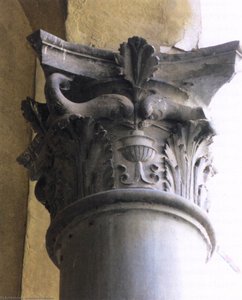
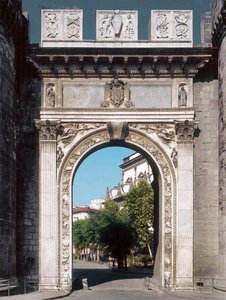
Giuliano da Maiano (1432 – 1490) stands as a pivotal figure in the artistic landscape of Renaissance Florence, inextricably linked to his brother Benedetto and shaping the aesthetic sensibilities of their influential family. Born in Maiano, near Fiesole—a village steeped in stone-cutting tradition—Giuliano’s early life was marked by exposure to craftsmanship and artistic heritage, setting the stage for a remarkable career that would redefine architectural design and sculptural innovation. Early Influences & Family Legacy: Giuliano’s father, Giovanni da Maiano, established a thriving stonemason's yard in Florence, fostering an environment where artistic pursuits flourished. This familial dedication to stone carving instilled in Giuliano a profound understanding of material and technique—skills that would become hallmarks of his own work. He absorbed the traditions of his forefathers, mastering the art of shaping stone with precision and artistry – skills that would prove invaluable throughout his illustrious life. Architectural Vision: Giuliano quickly demonstrated exceptional talent for architectural design, surpassing initial expectations to pursue a path diverging from the traditional notary profession envisioned by his father. He swiftly gained recognition as Florence’s foremost architect, embarking on ambitious projects that championed innovative approaches to spatial organization and decorative embellishment. His vision was revolutionary; he sought to elevate Florentine architecture beyond mere practicality, striving for beauty and harmony—a pursuit that cemented his place among the greatest builders of his time.Notable Architectural Projects
- Palazzo Pazzi: Giuliano spearheaded the reconstruction of Palazzo Pazzi (1462–1472), transforming a dilapidated building into a magnificent palazzo embodying Florentine Mannerism. His masterful use of rusticated facades and twin arched windows—inspired by Alberti’s Palazzo Rucellai—established a stylistic precedent for subsequent architectural endeavors. The palazzo stands as a testament to Giuliano's ability to blend classical ideals with innovative techniques, reflecting the spirit of the Renaissance.
- Palazzo Strozzino: Collaborating with Michelozzo, Giuliano added a piano nobile to Palazzo Strozzino (c. 1456), elevating the palazzo’s grandeur and furthering the development of Florentine architectural style. This project showcased his meticulous attention to detail and his understanding of how space could contribute to the overall aesthetic experience.
- San Gimignano Chapel: He oversaw the enlargement of San Gimignano Church (c. 1475), applying lessons learned from Alberti and Machelozzo to create a harmonious blend of Romanesque tradition and Renaissance innovation. The chapel’s soaring ceilings and delicate sculptural decorations exemplify Giuliano's artistic prowess and his commitment to pushing the boundaries of architectural design.
Fragen & Antworten
Aus welcher Epoche stammte Giuliano Da Maiano?
Giuliano Da Maiano war in der Epoche der Renaissance tätig. Diese Periode ordnet das künstlerische Schaffen historisch ein.
Wo und wann wurde Giuliano Da Maiano geboren?
Giuliano Da Maiano wurde im Jahr 1432 in Maiano geboren.