The Luminous Veil: Defining Etherealism in Classical Art
To encounter ethereal art is to step beyond the threshold of the tangible world and enter a realm where the boundaries between reality and reverie dissolve. This particular aesthetic, often described as a luminous veil, does not merely depict a scene; it evokes an atmosphere. In the grand tradition of classical mastery, etherealism is characterized by a delicate manipulation of light that seems to emanates from within the canvas itself, rather than falling upon it from an external source. It is an art of subtlety, where the heavy weight of matter is replaced by the weightlessness of spirit.
The essence of this style lies in its ability to evoke a sense of transcendence. When we observe works that lean into this ethereal quality, we are not looking at mere landscapes or portraits, but at meditations on the infinite. The artist employs a soft-focus approach, often blurring edges and softening contours to suggest that the subject is in a state of becoming or fading. This lack of rigid definition invites the viewer to participate in the creation of the image, using their own imagination to fill the silences left by the mist, the moonlight, or the morning haze.
Ultimately, defining etherealism requires an appreciation for the intangible. It is found in the way a single ray of light pierces through a dense canopy of trees, or how a figure appears almost translucent against a twilight sky. It is a pursuit of the sublime, where the goal is to capture that fleeting, breathless moment when the physical world feels momentarily imbued with the divine.
Whispers of the Soul: The Symbolist Movement and Dreamlike Landscapes
As the nineteenth century drew to a close, a profound shift occurred in the artistic consciousness, moving away from the literal observations of Realism toward the evocative depths of Symbolism. This movement served as the heartbeat of ethereal artistry, providing a visual language for the unseen. For the Symbolist painter, the landscape was never just earth and water; it was a mirror reflecting the internal topography of the human soul. These artists sought to clothe the idea in a perceptible form, using dreamlike imagery to communicate complex emotional and spiritual truths.
In the works of masters such as Xavier Mellery, we encounter scenes that are deeply evocative and shrouded in mystery. His Belgian landscapes often feature ethereal figures that seem to emerge from a quiet, nocturnal stillness, acting as conduits between the viewer and the subconscious. Similarly, the haunting compositions of Arthur Bowen Davies, such as his poignant Through a Casement Window, utilize a Symbolist vocabulary to explore themes of longing and memory. In these works, the window serves not just as a frame, but as a portal between the domestic reality and an expansive, dreamlike exterior.
This movement also found profound expression in the Romantic tradition, where nature was viewed as a powerful, often overwhelming force of spirit. Consider the breathtaking nocturnal visions of John Atkinson Grimshaw. His paintings, such as Autumn, demonstrate how a luminous nude can emerge from a dark, atmospheric forest, embodying a sense of primordial beauty. Through the use of soft light and deep shadows, these artists transformed the natural world into a stage for the metaphysical, where every rustle of leaves or shimmer on water whispered secrets of the eternal.
Chiaroscuro of the Spirit: Mastering Light, Shadow, and Atmosphere
The technical foundation of ethereal art rests upon the sophisticated mastery of light and shadow, a technique often referred to as chiaroscuro. However, in the realm of the ethereal, this technique transcends mere dramatic contrast to become a tool for spiritual illumination. The artist does not simply use light to define volume; they use it to sculpt atmosphere. By carefully balancing the interplay between deep, velvety shadows and brilliant, soft highlights, the painter creates a sense of depth that feels both physical and psychological.
Atmospheric perspective plays a crucial role in this process. By subtly altering colors and reducing contrast as objects recede into the distance, artists can create an illusion of vast, infinite space. This technique allows for the creation of misty horizons and hazy glooms that suggest a world extending far beyond the frame. The light becomes a medium through which we perceive distance, not just in meters, but in layers of mystery. When light is diffused through moisture or dust, it takes on a palpable quality, a glow that softens the harshness of reality.
Furthermore, the use of color temperature is essential in establishing an ethereal mood. Cool blues, silvers, and pale violets can evoke the stillness of night or the chill of dawn, while warm ambers and soft golds suggest the fleeting warmth of a setting sun. When these temperatures are layered with precision, the result is a painting that breathes. The shadows are never truly black, but filled with reflected light, and the highlights are never purely white, but infused with the colors of the surrounding atmosphere, creating a cohesive, living environment.
EmphasTranscending Reality: The Interplay of Memory, Emotion, and Mysticism
Ethereal art possesses a unique ability to bypass the intellect and speak directly to the emotions. This is because it operates within the logic of dreams, where time is fluid and identity is malleable. Many artists, such as Michel Gobin, utilize vibrant yet dreamlike landscapes to explore themes of memory and emotion. In such works, the landscape becomes a vessel for nostalgia, where certain textures or light patterns can trigger a profound sense of recognition or loss, much like a half-remembered dream from childhood.
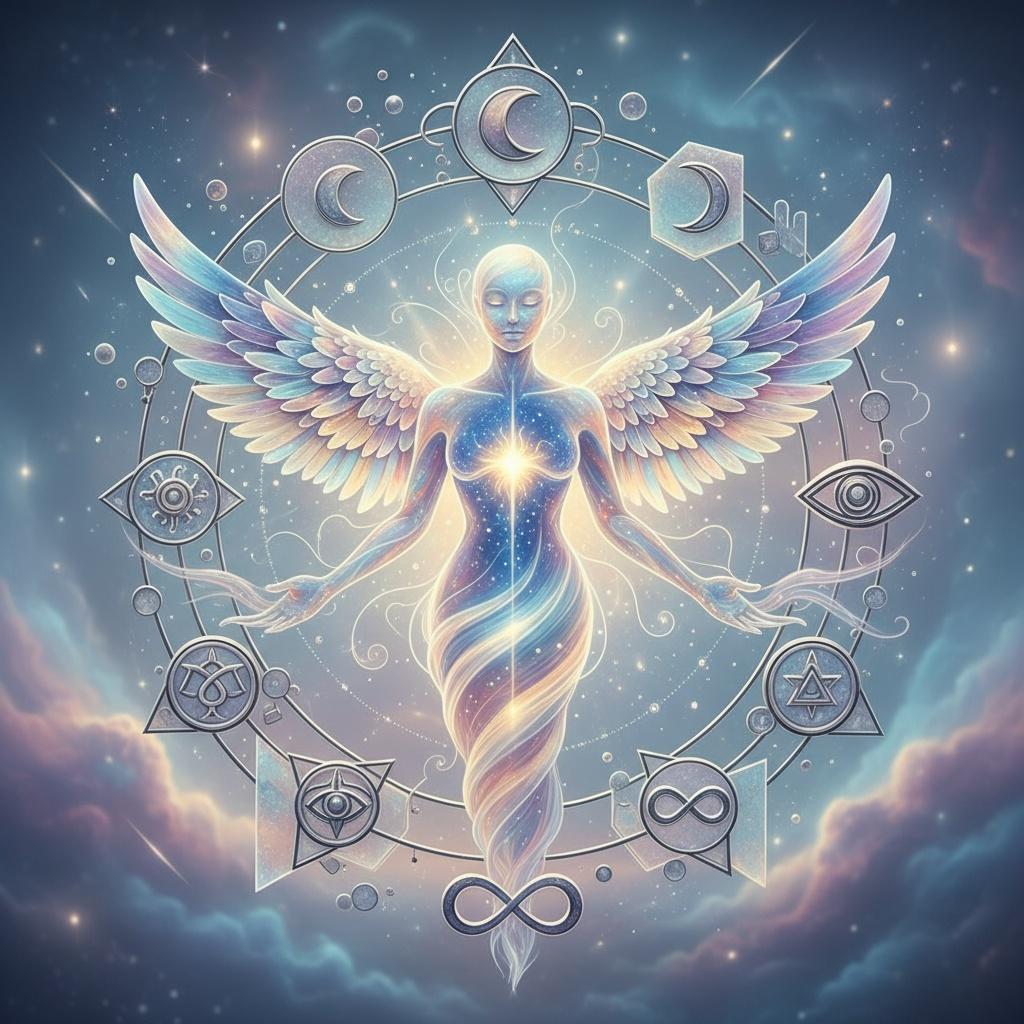
This connection to mysticism is perhaps the most profound aspect of the genre. The ethereal aesthetic naturally aligns with the human desire to find meaning in the inexplicable. By presenting scenes that feel slightly "other," artists invite a sense of wonder and awe. The subject matter often touches upon the cyclical nature of life, the presence of the supernatural, or the interconnectedness of all living things. It is an art form that respects the mystery of existence rather than attempting to solve it.
The transcendence found in these paintings allows the viewer to escape the mundane pressures of daily life. In the presence of a truly ethereal masterpiece, one can experience a moment of profound stillness. The painting acts as a sanctuary, a space where the heavy burdens of the material world are lifted, leaving only the pure, unadulterated essence of feeling. It is through this emotional resonance that art achieves its highest purpose: to connect the human spirit with the infinite.
The Tactile Dream: Preserving Ethereal Textures through Fine Art Reproduction
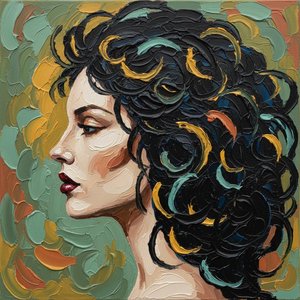
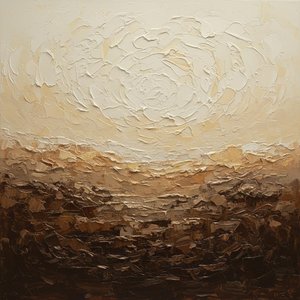
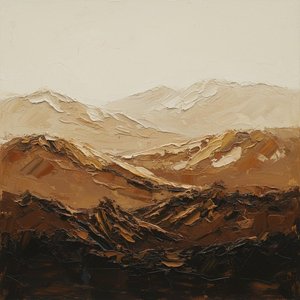
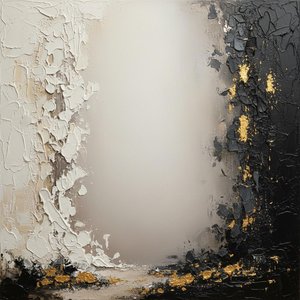
To truly appreciate the ethereal, one must engage with the physical reality of the medium. The magic of these paintings often resides in their texture—the way a thick application of paint, or impasto, catches the light to create miniature landscapes of shadow and brilliance on the surface of the canvas. A flat print can capture the color of a masterpiece, but it cannot capture its soul. The true essence of an ethereal work is found in the tactile depth of the brushstrokes, which provide a three-dimensional quality that breathes life into the dream.
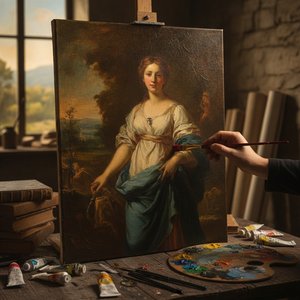
This is why the pursuit of high-quality, hand-painted reproductions is so vital for the modern collector. A meticulous recreation involves much more than mere copying; it requires an understanding of the original artist's technique and intent. By applying multiple layers of oil paint, artists can build a texture that mimics the original's luminosity and depth. The way light interacts with these raised surfaces is what allows a reproduction to retain that "living" quality, ensuring that the atmospheric effects—the soft glows and deep shadows—are preserved for generations.
Whether through the use of premium pigments that ensure long-term lightfastness or the careful application of glazes to achieve transparency, the goal is to honor the legacy of the masters. When we bring these ethereal visions into our contemporary spaces, we are not just decorating a wall; we are inviting a piece of history and a fragment of the sublime into our lives. Through dedicated craftsmanship, the dreamlike essence of light and spirit continues to endure, bridging the gap between the centuries and the human heart.
At Mus3ums.com, we specialize in preserving this profound legacy. From museum-quality Giclée prints to bespoke, hand-painted oil masterpieces, our mission is to make the transcendent accessible. Our artists, trained in the finest academic traditions, work meticulously to ensure that every brushstroke and every layer of light honors the original spirit of the artwork, allowing you to curate a collection that transcends time.