
The Architecture of MUba Eugène-Leroy
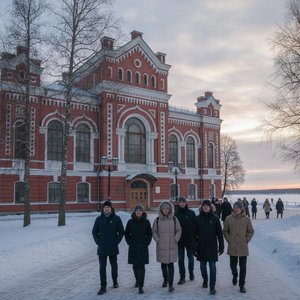
Located in Tourcoing, France, the institution occupies a 1860 private mansion known as an hôtel particulier. The building maintains its original character through decorated salons, parquetry, and an ornate staircase. This historical setting provides a specific atmosphere for the viewing of art. In contrast to the nineteenth-century residential structure, the museum also contains exhibition galleries from the 1930s. These Art Deco spaces are defined by their large dimensions and the natural light provided by skylights.
The museum's collection spans from the 16th century to the present day. It is characterized by a significant selection of paintings and engravings. The development of the collection was influenced by Charles Roussel-Defontaine, a scholar and former mayor of Tourcoing, whose legacy was later accepted under the mandate of Victor Hassebroucq.
The Permanent Collection
The holdings include works from various eras and movements, ranging from classical traditions to modern expressions. The selection is curated to offer a specific perspective on art history through its diverse subjects and techniques.
- The Echanson - Allegory of Temperance by Theodoor Rombouts
- Equestrian Portrait of Mademoiselle Croizette, 1873 by Carolus-Duran
- Hunt of Dido. Historical Landscape, 1850 by Guillaume Guillon Lethiere
Artistic Presence and Local Legacy
The museum maintains a connection to the region through the work of Eugène Leroy. Born in Tourcoing, his practice involved the application of thick layers of paint to capture human presence. His approach was characterized by a focus on the physical gesture of painting, often working away from traditional art circuits. The institution has hosted exhibitions dedicated to his work, such as the 2022 exhibition titled Eugène Leroy. À contre-jour.
Recent programming has also included large-scale thematic exhibitions, such as the 2024 exhibition Peindre la nature. Paysages impressionnistes du musée d’Orsay. These displays allow the museum to engage with broader movements in French art history while maintaining its specific identity in the Nord region.