



A Symphony of Syntax: The Soul of the Observatory
In the historic heart of Lisbon, where the ancient cobblestones seem to pulse with the echoes of maritime explorers and poets, lies a sanctuary that transcends the traditional boundaries of a museum. The Observatory of the Portuguese Language is not merely a repository for artifacts, but a living, breathing temple dedicated to the very essence of human connection: the spoken and written word. To step into this space is to enter a dialogue with history itself, where the architecture and the collection converge to celebrate a linguistic heritage that has traversed oceans and continents.
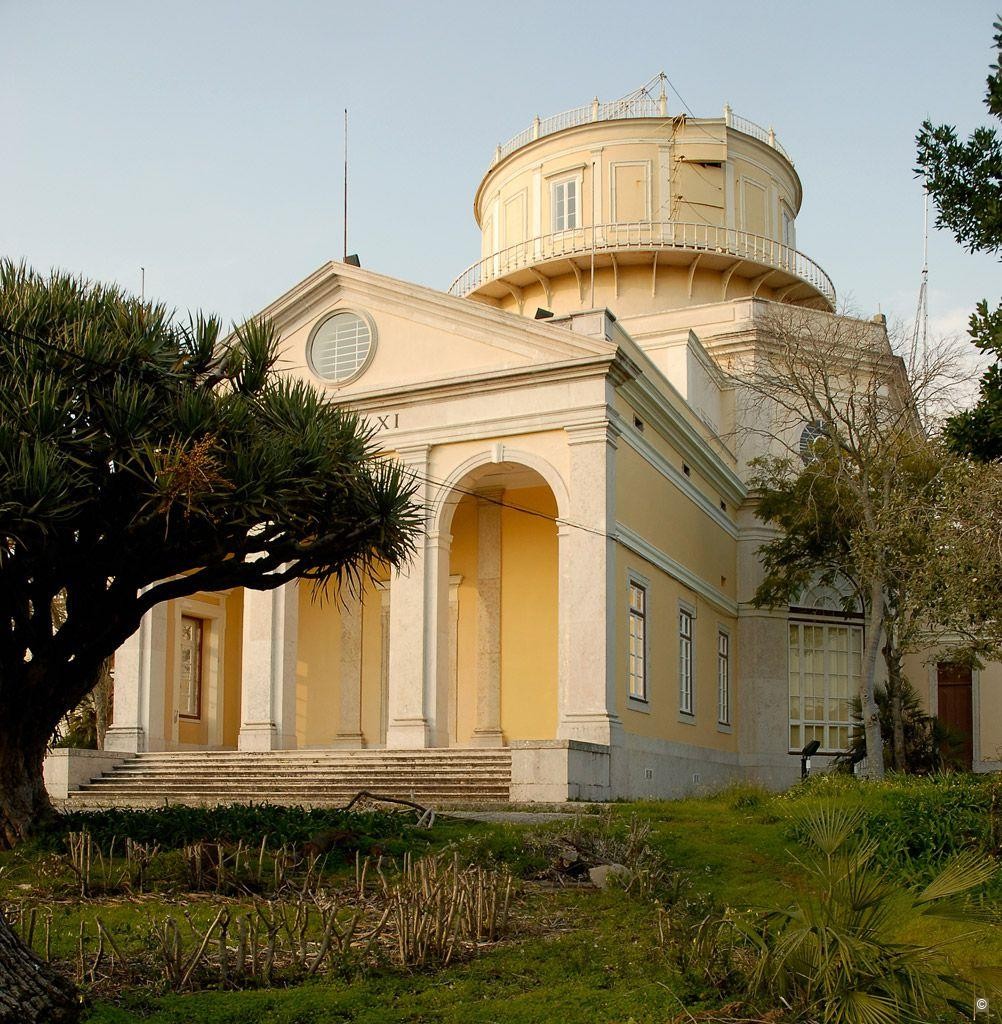
The physical presence of the institution is a masterclass in modernist elegance, a testament to the vision of José Luís Sertorio . Conceived in 1968, the building serves as an architectural metaphor for the language it protects—expansive, structured, yet profoundly open to the light of new ideas. As visitors wander through its soaring atrium and navigate its deliberate, contemplative spaces, they are enveloped by a sense of intellectual grandeur. The design does not merely house history; it frames it, using light and volume to invite a deep, meditative exploration of how sounds transform into symbols, and how those symbols shape civilizations.
Textual Treasures and the Lusophone Spirit
The true magic of the Observatory lies in its extraordinary collection, an assemblage of textual treasures that trace the evolution of the Lusophone spirit. Within these walls, one can encounter the delicate beauty of medieval manuscripts, where intricate calligraphy dances across aged parchment, alongside the monumental weight of 19th-century literary masterpieces. A profound highlight for any scholar or lover of culture is the presence of rare editions of Luís Vaz de Camões' Os Lusíadas . This epic poem, a cornerstone of national identity, serves as a rhythmic heartbeat within the museum, reminding us of an era when Portuguese explorers charted the unknown, carrying their language to the far reaches of Brazil, Angola, Mozambique, and beyond.
What distinguishes the Observatory from a conventional archive is its vibrant, forward-looking pulse. It is a place where the ancient meets the avant-garde through cutting-edge multimedia installations that dissect sentence structures and transport the viewer into the heart of contemporary Lusophone life. The institution actively fosters a global perspective, celebrating the rich, diverse textures of the Portuguese diaspora. By hosting collaborations with contemporary artists who reinterpret linguistic themes through visual media, the Observatory ensures that the language remains a dynamic catalyst for modern creativity.